
Beautiful Plants For Your Interior
Beautiful Plants For Your Interior
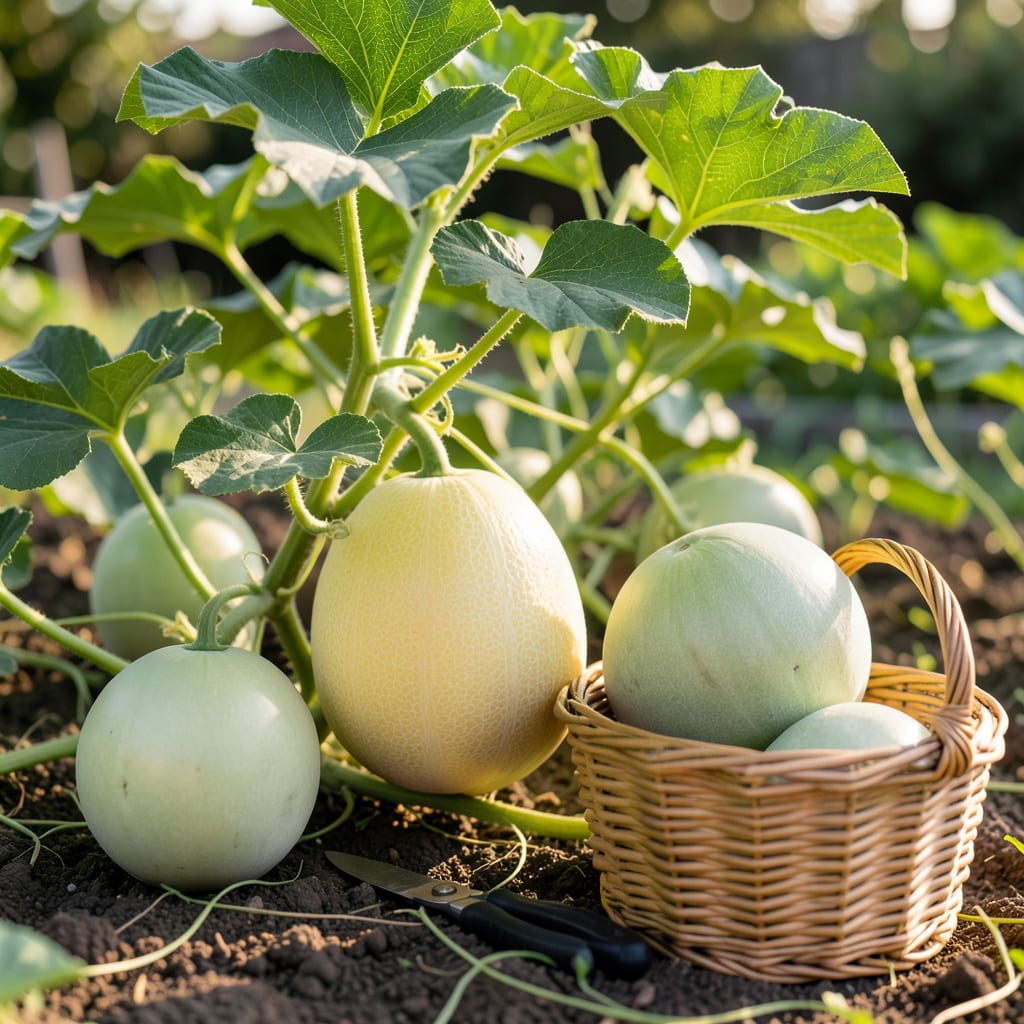
Nothing beats the taste of a perfectly ripe 🍈 Honeydew, but picking one that’s sweet and juicy can feel like a gamble. I’ve been there, staring at a pile of melons wondering which one to choose.
Discover the proven tricks—like the stem slip and scent tests—to select the best Honeydew every time. These simple methods will take the guesswork out of your next harvest.


I’ve learned that picking a sweet honeydew starts with checking the stem slip. A full slip means it’s perfectly ripe, while partial or none means it needs more time. This simple test is my go-to method in the garden. 🌱
Another reliable sign is the scent test. A ripe honeydew will have a sweet fragrance at the blossom end. If it smells fresh and floral, you’re on the right track to a delicious harvest.
| Method | What to Look For |
|---|---|
| Stem Slip | Full slip from the vine |
| Scent Test | Sweet aroma at blossom end |
| Weight | Feels heavy for its size |
| Skin Texture | Slightly waxy, not smooth |
The weight test is another classic. A ripe honeydew will feel heavy for its size, indicating it’s full of juice. I always compare a few melons to get a sense of what’s normal.
For the skin texture, look for a slightly waxy feel. This means the melon has reached its peak ripeness. A smooth or shiny skin often means it’s not quite ready yet. ✂️
I also pay attention to the blossom end. When it’s ripe, this spot will yield slightly to pressure. Be gentle—you don’t want to bruise the fruit while testing.
The color check is helpful too. A mature honeydew will have a creamy yellow rind, not bright green. This visual cue is easy to spot in the garden or at the market.
If you’re harvesting from your own garden, remember that honeydews typically take 75-90 days to mature. I mark my planting date to track progress and avoid picking too early.
For those buying at the store, combine these methods. I start with the scent test, then check the weight and stem. This multi-step approach ensures I get the sweetest melon every time.
Finally, don’t forget the sound test. Tap the melon lightly—if it sounds hollow, it’s ripe. This works best with a bit of practice, but it’s worth mastering. 🌿
I’ve seen many gardeners make the mistake of relying only on color when selecting honeydews. While a creamy yellow rind is a good sign, it’s not the only factor to consider for ripeness. 🌱
Another common error is ignoring the stem. The stem slip test is one of the most reliable indicators, and skipping it can lead to picking an underripe melon.
Don’t rely solely on color — green doesn’t always mean unripe.
Don’t ignore the stem — the slip test is crucial for ripeness.
Don’t squeeze too hard — you might bruise the fruit.
Some people squeeze too hard when testing for ripeness. This can damage the fruit and leave it bruised. Always use a gentle touch when checking the blossom end.
Another pitfall is not comparing melons. When I’m at the market, I always pick up a few to compare their weight and feel. This helps me identify the ripest ones.
It’s also easy to overlook the scent. A ripe honeydew should have a sweet fragrance at the blossom end, and missing this can mean missing out on the sweetest melons. ✂️
Finally, don’t forget to check the skin texture. A slightly waxy feel indicates ripeness, while a smooth or shiny skin often means the melon needs more time on the vine.
By avoiding these common mistakes, you’ll greatly improve your chances of selecting a perfectly sweet honeydew every time. 🌿
Timing is everything when it comes to picking sweet honeydews. The peak season for honeydew melons is typically from July to September, when they’re most likely to be ripe and flavorful. 🌱
In my garden, I’ve found that honeydews planted in April or May are ready for harvest around 75-90 days later. This aligns perfectly with the warm summer months when these melons thrive.
July-September: Best months for sweetest honeydews in most regions.
If you’re buying from a farmers market, late summer is ideal. The melons are often locally grown and picked at peak ripeness, ensuring the best flavor and texture.
For grocery store purchases, I check the origin. Melons from California or Arizona are usually in season earlier, while those from the Southeast peak a bit later in the summer. ☀️
Remember, even in peak season, not all honeydews are created equal. I still use the stem slip and scent tests to confirm ripeness, regardless of when I’m buying. This extra step ensures I’m getting the sweetest melon possible.
A full slip means the melon has naturally detached from the vine, signaling perfect ripeness. This is the most reliable sign for homegrown honeydews.
No, while a creamy yellow rind is a good sign, it’s not enough by itself. Always combine with the scent test and weight check for best results.
It should feel heavy for its size, indicating it’s full of juice. Compare a few melons to gauge the difference in weight.
Peak season runs from July to September in most regions. Farmers markets often have the freshest, locally grown options during this time.
