
Beautiful Plants For Your Interior
Beautiful Plants For Your Interior
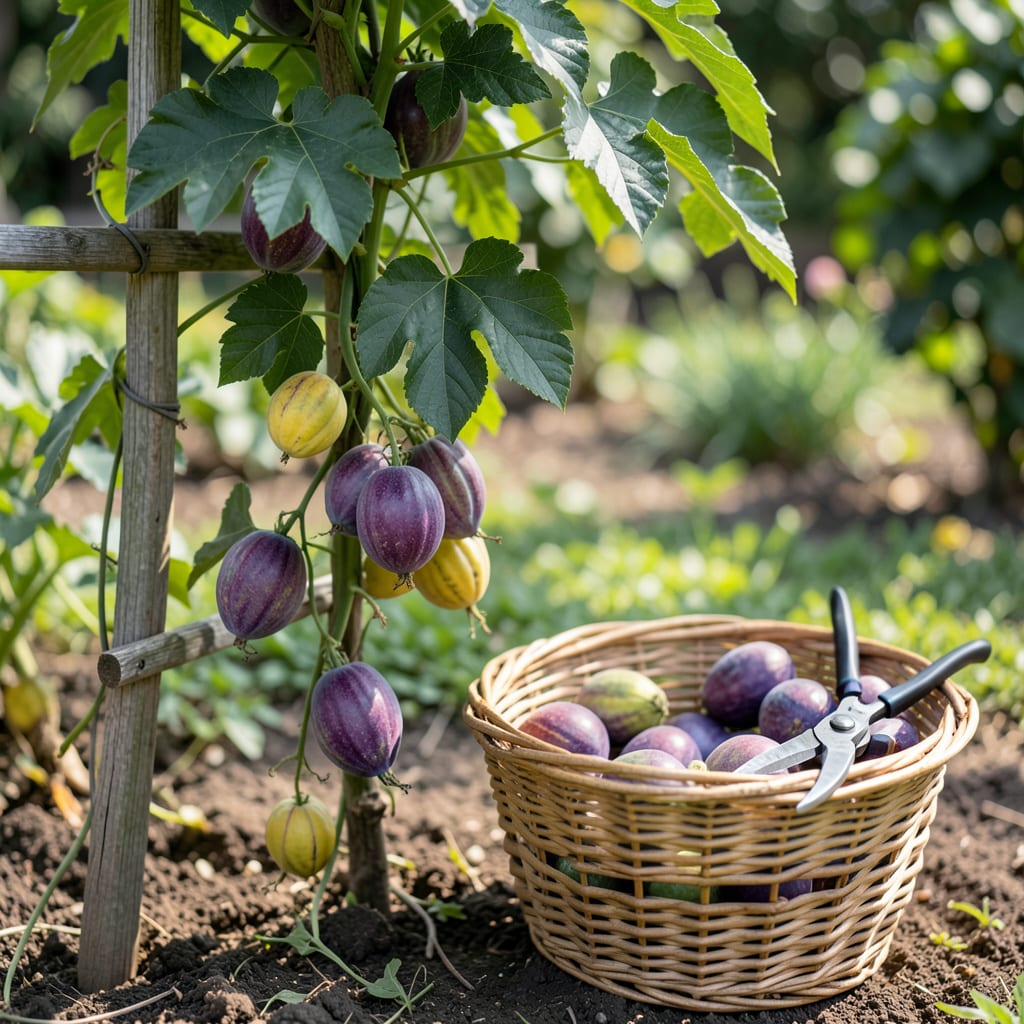
Nothing beats the sweet-tart explosion of a perfectly ripe 🧡 Passion Fruit—but picking one too early or too late can leave you disappointed. I’ve been there, staring at the vine wondering if it’s ready.
Let me share the foolproof signs to select the juiciest, most flavorful fruit every time. These simple tricks will change how you harvest.


I’ve learned that color is the first clue when identifying ripe passion fruit. For purple varieties, the skin shifts from green to deep purple. Meanwhile, yellow passion fruits turn a bright golden hue when ready.
Another unmistakable sign is skin wrinkling. A ripe passion fruit develops slight wrinkles, indicating the pulp is at peak sweetness. This happens as the fruit loses moisture and concentrates its flavors.
| Variety | Color when Ripe | Texture Sign |
|---|---|---|
| Purple Passion Fruit | Deep purple | Slightly wrinkled |
| Yellow Passion Fruit | Bright golden | Slightly soft |
| Banana Passion Fruit | Pale yellow | Smooth with dimples |
Tip: Always check the stem end for full color change before picking.
The stem area is another giveaway. When the fruit is ripe, the stem dries out and turns brown. This is especially true for purple passion fruits, where the stem’s transformation is very noticeable.
Don’t overlook the weight of the fruit. A ripe passion fruit feels heavy for its size, which means the pulp inside is juicy and fully developed. Compare a few fruits to notice the difference.
For yellow passion fruits, the color change is more dramatic. They transition from green to a vibrant yellow, almost glowing in the sunlight. This bright hue signals they’re ready to be picked and enjoyed.
I’ve noticed that wrinkles appear first at the stem end before spreading across the fruit. This gradual process is a sure sign that the sugars are concentrating and the flavor is intensifying.
If you’re growing passion fruit vines, check for fruits that have fallen to the ground. This is nature’s way of saying they’re ripe and ready. However, don’t wait too long, as they can become overripe quickly.
Remember, size isn’t everything. A smaller passion fruit can be just as ripe and flavorful as a larger one. Focus on the color and texture rather than the dimensions when picking.
Finally, give the fruit a gentle squeeze. A ripe passion fruit yields slightly to pressure but isn’t mushy. This tactile test, combined with the visual cues, guarantees you’ll pick a winner every time. 🌿
I always use the gentle squeeze test first. A ripe passion fruit yields slightly to pressure, like a soft avocado. If it’s rock-hard, it needs more time on the vine.
Next, I check the weight. A ripe fruit feels heavy for its size, signaling it’s full of juice. Compare similar-sized fruits to notice the difference.
I also look at the stem. If it’s green and fresh, the fruit isn’t ready. A brown, dried stem is a great indicator of ripeness.
The skin texture matters too. While some wrinkles are normal, excessive shrinking means it’s overripe. Aim for slight dimpling, not deep creases.
For yellow varieties, I wait until the skin turns a golden hue. Purple types should be deep violet all over, with no green patches remaining.
Finally, I give it a gentle shake. If I hear the seeds rattling inside, it’s a sure sign the pulp is ready to enjoy. This trick works every time in my garden.
🌿I’ve seen many gardeners make the mistake of judging ripeness by size alone. A big passion fruit doesn’t always mean it’s ripe. Focus on the color and texture instead of dimensions.
Another common error is ignoring the stem. If the stem is still green, the fruit isn’t ready, no matter how vibrant the skin appears. Always check for a brown, dried stem.
⚠️ Avoid These Passion Fruit Picking Pitfalls
Don’t pick based on size alone. A small fruit can be perfectly ripe while a large one isn’t.
Don’t ignore the stem. A green stem means the fruit needs more time on the vine.
Don’t wait for deep wrinkles. Slight dimpling is ideal; excessive wrinkles mean it’s overripe.
Some gardeners wait too long for wrinkles to appear. While some dimpling is normal, excessive wrinkles indicate the fruit is overripe. Aim for a slight pucker, not a raisin-like appearance.
It’s also a mistake to pick all fruits at the same time. Passion fruits on the same vine can ripen at different rates. Check each one individually for color and texture changes.
Finally, don’t overlook the weight. A ripe passion fruit should feel heavy for its size. If it feels light, it likely lacks the juicy pulp you’re after. 🌿
Purple varieties turn deep violet when ripe, while yellow types shift to bright golden. Always check for full color change at the stem end first.
No, green skin means it’s unripe. Wait until the skin changes to purple or yellow and the stem turns brown and dry.
Excessive wrinkles or deep creases indicate it’s past its prime. A ripe fruit has slight dimpling, not a raisin-like appearance.
This is natural! Passion fruits often detach when fully ripe. Check fallen fruits first—they’re usually ready to enjoy.
