
Beautiful Plants For Your Interior
Beautiful Plants For Your Interior
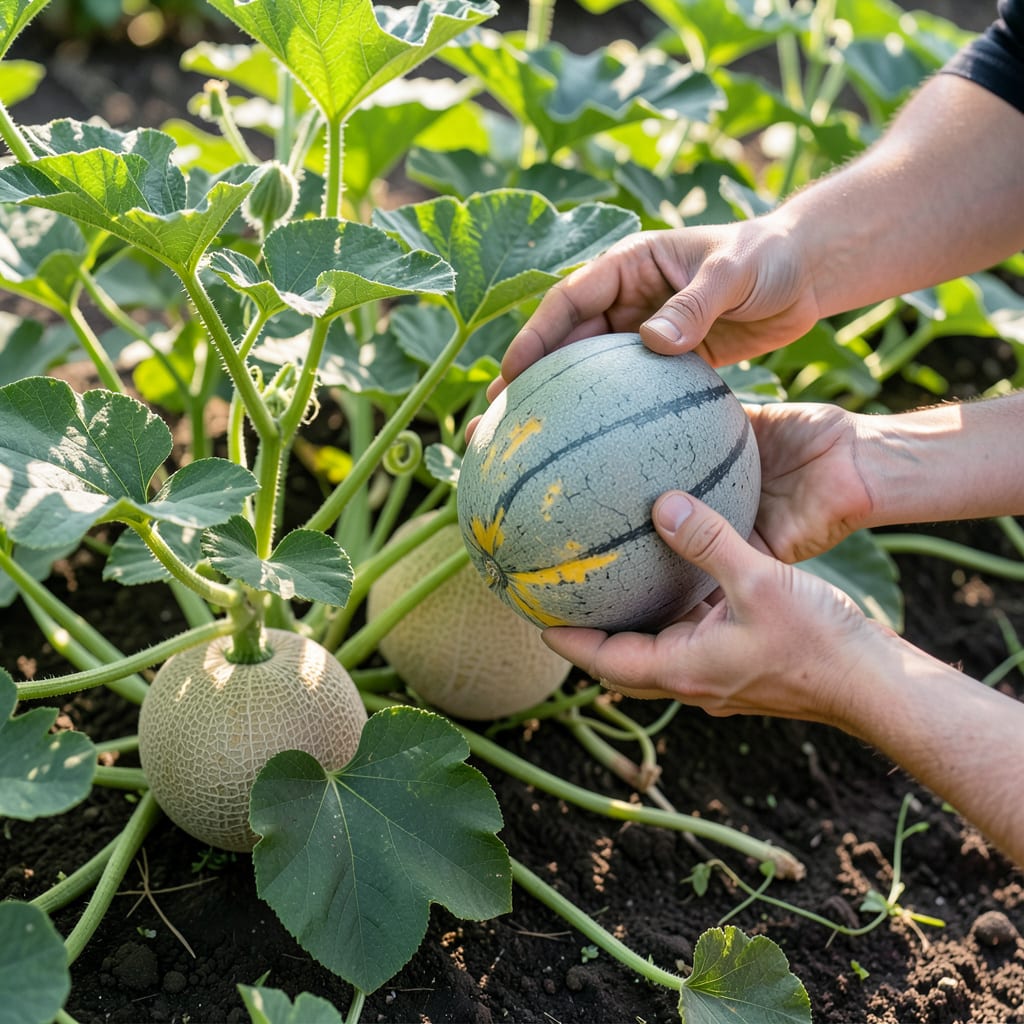
Picking a perfectly ripe 🍈 cantaloupe can be tricky, but knowing what to look for ensures sweet, juicy fruit every time. The key lies in a few simple visual and tactile cues.
I’ll show you exactly how to spot the right color, texture, and scent. With these tips, you’ll never bring home an underripe cantaloupe again.


Selecting a ripe cantaloupe starts with examining its netting pattern. A well-defined, raised netting on the rind indicates maturity. The more pronounced the netting, the sweeter the fruit typically is.
The underlying color beneath the netting should be a creamy beige or light tan. Green or white hues mean the cantaloupe isn’t ready yet. This color change happens as the fruit ripens on the vine.
| Ripeness Sign | What to Look For |
|---|---|
| Netting | Raised, well-defined webbing |
| Rind Color | Beige or tan under the netting |
| Stem End | Slightly soft with sweet aroma |
| Blossom End | Yields slightly to pressure |
The stem end is another critical spot to check. A ripe cantaloupe will have a stem that detaches easily from the vine. If it’s still firmly attached, the fruit isn’t ready for harvest yet.
You’ll also notice a sweet aroma at the stem end when the cantaloupe is ripe. This scent is a clear indicator of its sugar content and readiness to be picked. No smell usually means it’s underripe.
The blossom end (opposite the stem) should give slightly when pressed. This softness shows the fruit has developed its natural sugars fully. Avoid cantaloupes that feel rock-hard here.
If you’re growing cantaloupes at home, watch for these signs 70-90 days after planting. The netting becomes more prominent as the fruit nears harvest time. This is your visual cue to start checking daily.
Another tip: compare multiple cantaloupes in the same patch. The ones with the most defined netting and creamy color are typically the ripest. This comparison method works well in both home gardens and markets.
Don’t rely on size alone. A large cantaloupe doesn’t guarantee ripeness. Always combine size with the other indicators like color, netting, and aroma for the best results.
For home growers, the morning harvest is ideal. The fruit will be at its peak sweetness after a cool night. Use a sharp knife or pruners to avoid damaging the vine or the fruit.
☀️
After checking the netting and color, the next step is evaluating weight and sound. A ripe cantaloupe will feel heavy for its size, a sign it’s full of juice.
This weight test works because the fruit’s water content increases as it matures. Compare two similar-sized cantaloupes—the heavier one is usually riper.
The tap test is my go-to method. A deep, hollow sound means the cantaloupe is ripe, while a dull thud suggests it’s underripe. Practice this a few times to train your ear.
I always combine these tests for accuracy. A cantaloupe that passes the weight, sound, and aroma checks is almost guaranteed to be perfectly ripe. Don’t skip any steps!
For homegrown cantaloupes, I check these signs in the early morning when the fruit is cool. The sugar content is highest then, making it the best time to harvest for peak flavor.
If you’re at the market, don’t be shy about picking up a few to compare. The heaviest with the most pronounced netting and hollow sound is your winner.
☀️Many gardeners make the mistake of judging a cantaloupe by size alone. A large cantaloupe doesn’t always mean it’s ripe. I’ve learned to focus on netting, color, and aroma instead.
Another common error is ignoring the stem end. If it lacks a sweet scent, the fruit likely isn’t ready. The blossom end should also yield slightly to gentle pressure, not feel rock-hard.
Warning: Avoid cantaloupes with soft spots or dull thuds when tapped. These signs indicate overripeness or poor quality. Always check the stem attachment and rind color for accuracy.
Some people skip the weight test, but it’s crucial. A ripe cantaloupe feels heavy for its size. Compare a few to notice the difference—this simple step saves me from many disappointments.
Don’t overlook the netting pattern. If it’s faint or underdeveloped, the fruit isn’t mature. The most well-defined netting often signals the sweetest cantaloupes in my garden.
Finally, timing matters. For homegrown cantaloupes, I check for ripeness 70-90 days after planting. Harvesting too early or too late affects flavor and texture. Patience and attention to detail pay off.
☀️A well-defined, raised netting pattern indicates maturity. The more pronounced it is, the sweeter the fruit typically tastes. Look for creamy beige under the webbing.
A ripe one produces a deep, hollow sound when tapped. A dull thud means it’s underripe. This test works because the internal structure changes as it matures.
It should feel heavy for its size, indicating high juice content. Always compare similar-sized fruits—the denser one is usually riper.
Judging by size alone. A large cantaloupe isn’t always ripe. Focus on netting, color, aroma, and weight instead for the best results.
