
Beautiful Plants For Your Interior
Beautiful Plants For Your Interior
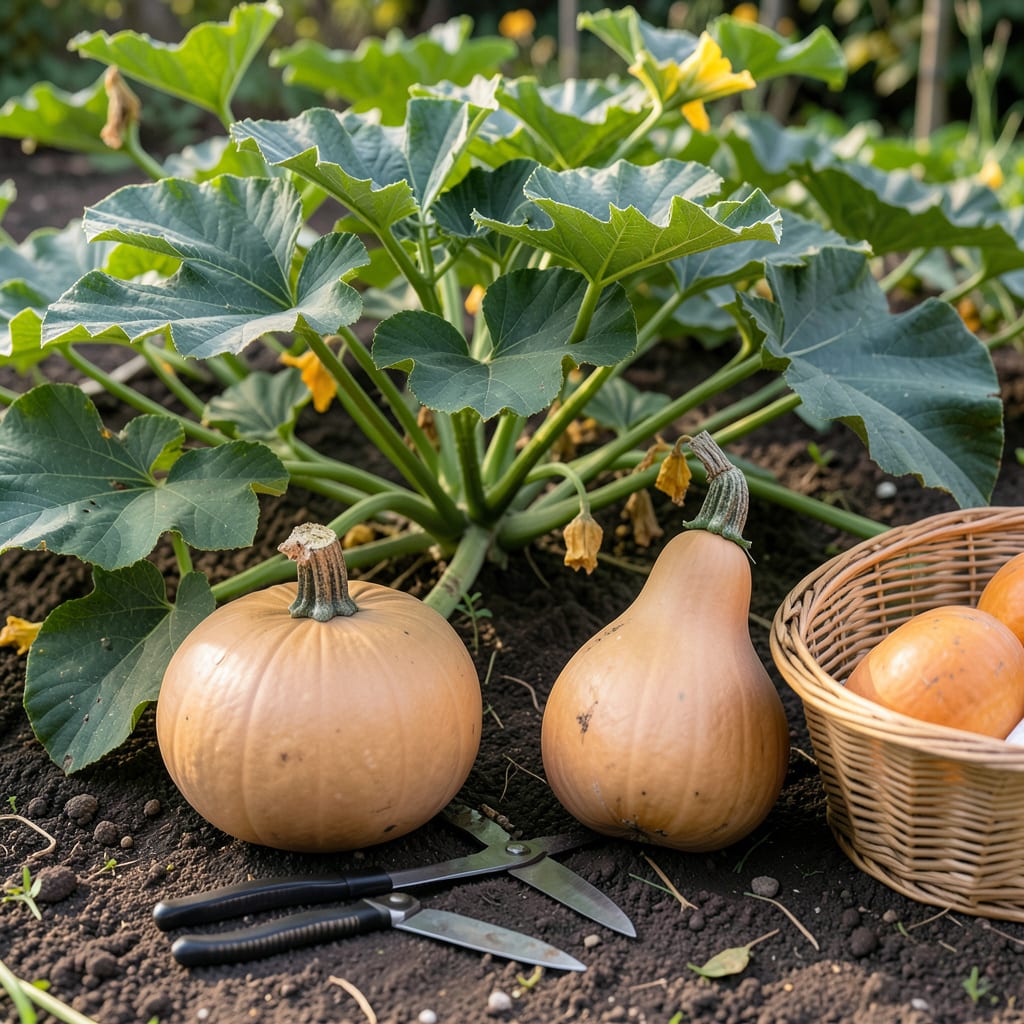
Nothing ruins a fall meal like a bland, underripe Butternut Squash 🎃. The difference between a sweet, flavorful squash and a disappointing one often comes down to knowing the right signs.
I’ll show you how to spot the perfect Butternut Squash every time, from stem condition to skin color. These simple tricks will ensure you bring home the best of the harvest.


Picking the perfect Butternut Squash starts with knowing what to look for. The stem condition is my first clue—it should be dry, hard, and corky, not green or moist.
A deep tan color across the entire skin signals ripeness, while any green patches mean it needs more time. The surface should have a matte finish, not shiny.
| Sign | Ripe Indicator | Why It Matters |
|---|---|---|
| Stem | Dry and corky | Ensures full maturation |
| Skin Color | Deep, uniform tan | Indicates sugar development |
| Texture | Hard, matte surface | Protects during storage |
| Weight | Heavy for size | Signals dense, moist flesh |
The weight of the squash is another giveaway. A ripe Butternut Squash feels heavy for its size, indicating dense, moist flesh inside.
I always check for a uniform shape too. The bulbous end should be plump, and the neck should be firm. Avoid any with soft spots or bruises.
If you press your thumbnail into the skin, it should resist puncturing. This hardness means the squash will store well for months.
The vine connection can also provide clues. When the stem slips from the vine easily, it’s a sign the squash is ready to be picked.
Remember, size alone isn’t a reliable indicator. A smaller squash can be just as ripe as a larger one if it meets the other criteria.
For the best flavor, I harvest my Butternut Squash when the vines start to die back but before the first frost hits. This timing ensures peak sweetness.
Finally, always inspect the blossom end (opposite the stem). It should be dry and firm, not soft or damp. This prevents rot during storage.
With these visual signs, you’ll never bring home an underripe squash again 🎃
Testing Butternut Squash ripeness doesn’t require cutting it open. I start with the thump test—a ripe squash produces a hollow sound when tapped lightly.
Next, I press my thumbnail into the skin. If it resists puncturing, the squash is ready. A soft skin means it needs more time on the vine.
Another reliable method is checking the stem connection. If the stem slips easily from the vine, it’s a sign the squash is mature. Avoid pulling—it should detach with minimal effort.
I also examine the blossom end (opposite the stem). It should feel firm and dry. Any softness here indicates the squash isn’t ready for harvest or storage.
A common mistake is judging ripeness by size alone. A smaller squash can be perfectly ripe if it meets the other criteria, while a large one might still be immature.
For field-grown squash, I harvest when the vines start dying back but before the first frost. This timing ensures maximum sweetness and storage potential.
With these simple tests, you’ll confidently pick perfectly ripe Butternut Squash every time 🎃
Timing your Butternut Squash harvest is key for the sweetest flavor. I aim for 85-100 days after planting, when the vines start to die back naturally.
The first frost is your deadline. Butternut Squash can handle light frost, but I harvest before a hard freeze to prevent damage to the skin.
Pro Tip: Harvest in the morning when temperatures are cool. This helps the squash retain moisture and sweetness during storage.
For field-grown squash, I check the days to maturity on the seed packet. Most varieties need 85-100 days of warm weather to fully ripen.
The skin hardness test is my final confirmation. If the rind resists thumbnail pressure, it’s ready. This hardness protects the flesh during winter storage.
Store-bought selection follows the same rules. I look for deep tan color, dry stems, and heavy weight for the size. These signs guarantee peak flavor and storage potential.
With these timing tips, you’ll harvest Butternut Squash at its sweetest every season 🎃
A ripe one has a deep, uniform tan color. Any green patches mean it needs more time on the vine. The skin should also have a matte finish, not shiny.
Not necessarily. A smaller squash can be just as ripe as a larger one if it meets other criteria like stem dryness and skin hardness. Always check the weight for size too.
Try the thumbnail test—press into the skin, which should resist puncturing. Also, tap it lightly for a hollow sound. Both indicate full maturation.
Harvest in the morning when temps are cool, ideally 85-100 days after planting. Always pick before the first hard frost to prevent skin damage.
