
Beautiful Plants For Your Interior
Beautiful Plants For Your Interior
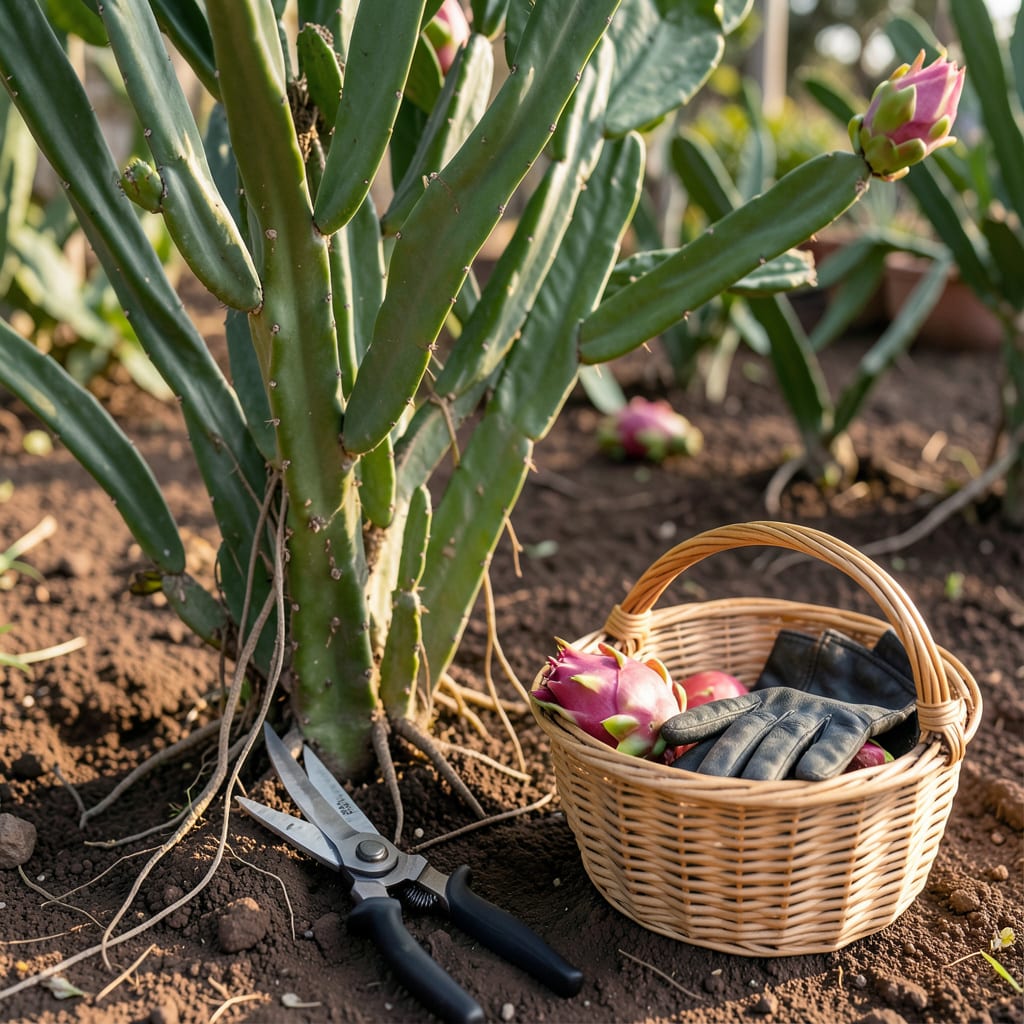
Picking a perfectly ripe 🐉 Dragon Fruit can be tricky since its vibrant exterior hides its true condition. The color changes and wing texture are the key indicators you need to look for.
I’ll show you how to spot these subtle signs and avoid the common mistakes that lead to underripe or overripe fruit. With these tips, you’ll confidently select the sweetest Dragon Fruit every time.


Selecting a ripe dragonfruit starts with examining its vibrant skin. For most varieties, the color transitions from green to pink, red, or yellow as it ripens. This change is your first clue that the fruit is nearing its peak.
The wing-like bracts on the skin also transform. When they start to dry and brown at the edges, it’s a strong indicator of ripeness. Fresh, green wings typically mean the fruit needs more time.
| Variety | Color Change | Wing Texture |
|---|---|---|
| White-fleshed | Pink to deep red | Dry, papery edges |
| Red-fleshed | Bright red | Brown, crispy wings |
| Yellow-skinned | Green to golden yellow | Slightly dry, leathery |
Another visual cue is the skin’s brightness. A ripe dragonfruit often has a glossy, uniform hue, while dull or patchy skin can signal it’s not ready. Look for a consistent, rich color across the entire surface.
Check the stem area too. A ripe dragonfruit will have a slightly withered stem, which often darkens as the fruit matures. A green, plump stem usually means it’s still ripening on the vine.
For yellow dragonfruit varieties, the color shift is more subtle. Instead of turning red, the skin changes from pale green to golden yellow. The wings may also appear more translucent when fully ripe.
If you spot brown spots or bruising, proceed with caution. While minor blemishes can be normal, excessive spotting might indicate overripeness or damage. Always handle the fruit gently to avoid additional bruising.
The size and shape can also offer clues. A ripe dragonfruit typically feels plump and heavy for its size. If it looks shrunken or feels light, it may be past its prime or not yet ripe.
Finally, observe the overall appearance. A perfectly ripe dragonfruit should look full and symmetrical, with no flat sides or indentations. These visual checks, combined with the tactile tests, will ensure you pick the best fruit every time.
Remember, practice makes perfect. The more dragonfruits you examine, the better you’ll become at spotting these subtle signs of ripeness. ☀️
Beyond visual cues, the touch test is your next best tool. Gently press the fruit with your palm or fingertips. A ripe dragonfruit yields slightly, like a soft avocado, but isn’t mushy.
If it feels rock hard, it’s underripe. If it’s too soft or squishy, it’s likely overripe. The sweet spot is a subtle give that springs back when released.
Don’t overlook the sniff test. Bring the fruit close to your nose, particularly near the stem end. A ripe dragonfruit emits a mild, sweet fragrance, almost floral.
If there’s no smell, it may need more time. A strong or sour odor often means it’s past its prime. This test works best with yellow-skinned varieties, which tend to be more aromatic.
The weight test is another reliable method. Pick up a few fruits and compare. A ripe dragonfruit feels heavy for its size, indicating juicy flesh inside. Lighter fruits may be dry or underripe.
Combining these tactile and olfactory checks with visual inspection gives you the most accurate assessment. I always recommend using at least two different tests to confirm ripeness before harvesting or purchasing.
With practice, you’ll develop a sixth sense for picking perfect dragonfruits every time. 🌿
Even experienced gardeners make mistakes when picking dragonfruit. One common error is choosing fruit that’s too firm. While it should have some resistance, a rock-hard texture means it’s not ready to eat.
Another pitfall is ignoring the stem condition. A green, fresh-looking stem often indicates the fruit is underripe. Always look for a stem that’s slightly dry or withered for the best flavor.
Overly firm fruit: Likely underripe and tart
Mushy texture: Past its prime and fermenting
Green stem: Still ripening on the vine
Uneven color: May have ripened unevenly
Selecting fruit with uneven color is another mistake. Patchy or splotchy skin often means the dragonfruit ripened inconsistently, leading to uneven sweetness. Aim for uniform color across the entire surface.
Many people also overlook the weight of the fruit. A ripe dragonfruit should feel heavy for its size. If it feels light, it may be dry or lacking juicy flesh inside.
Finally, avoid fruit with excessive bruising or soft spots. While minor blemishes are normal, large dark areas often indicate overripeness or damage. Handle with care to prevent additional bruising during transport.
By steering clear of these common mistakes, you’ll consistently pick perfectly ripe dragonfruit with the best flavor and texture. 🌱
Look for vibrant pink, red, or golden yellow skin. Green patches mean it’s underripe. White-fleshed varieties turn deep pink, while red-fleshed ones go bright red.
Avoid fruit with mushy texture or strong sour smells. Excessive bruising or very soft spots also indicate it’s past its prime.
Yes! A ripe one feels heavy for its size. Compare a few fruits—lighter ones may be dry inside. Uniform shape also signals good quality.
A rock-hard texture or green stem means it needs more time. These won’t ripen properly off the vine.
