
Beautiful Plants For Your Interior
Beautiful Plants For Your Interior
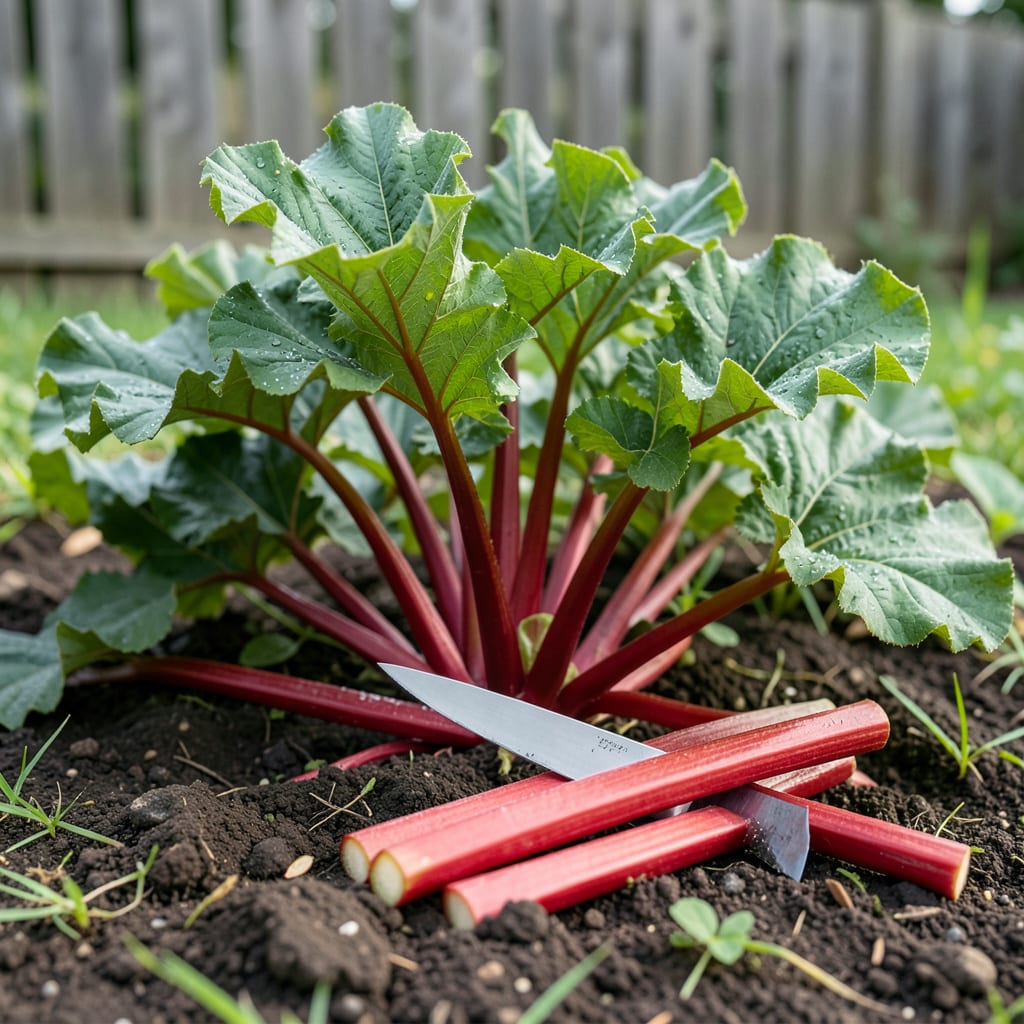
I remember the first time I stood in my garden, staring at my 🥬 rhubarb patch, wondering if it was ready. The difference between perfectly ripe and too early can mean the difference between sweet-tart perfection and a stringy disappointment.
After years of trial and error, I’ve learned the key signs to look for. Let me show you exactly what to watch for so you never miss that ideal harvest window again.


I always get excited when my rhubarb plants start pushing up those first bright red stalks in spring. But don’t grab your harvest knife just yet. The color alone isn’t enough to tell if it’s ready. 🌱
You’ll want to check for stalk thickness first. Mature rhubarb should have stalks 1-1.5 inches in diameter at the base. Anything thinner means the plant needs more time to develop.
| Harvest Sign | What to Look For |
| Stalk Thickness | 1-1.5 inches at base |
| Stalk Firmness | Snaps cleanly when bent |
| Color | Deep red or vibrant green |
| Leaf Size | Fully unfurled, 12+ inches |
| Stalk Length | 10-15 inches long |
The firmness test is my go-to method. Gently bend a stalk – if it snaps cleanly, it’s ready. If it just bends without breaking, give it another week or two to mature.
Color varies by variety, but look for vibrant, consistent hues. Some rhubarb stays green, while others turn deep red. The key is that the color should be rich and uniform along the entire stalk.
Timing matters as well. In cool climates, rhubarb is typically ready in late spring, while warmer areas might see harvestable stalks earlier. My plants in zone 5 are usually ready by mid-May.
Remember that first-year plants should never be harvested. It takes that first growing season for the root system to establish properly. I made this mistake once and my plants struggled for years afterward. 🌿
For established plants, you can start harvesting when you see 4-5 mature stalks. Always leave at least 1/3 of the plant untouched to ensure continued growth throughout the season.
Finally, check your stalks in the early morning when they’re most turgid. This is when they’ll be at their crispest and juiciest, making it easier to spot the perfect harvest candidates. ☀️
Timing your rhubarb harvest right is key to healthy plants and great flavor. I always wait until spring to early summer, when the stalks are at their peak. This is when they’re most tender and sweet.
The best method is to gently twist and pull the stalk from the base rather than cutting it. This helps the plant heal faster and reduces the risk of disease entering the crown.
I recommend harvesting 1-2 stalks per plant at a time. This prevents overharvesting and ensures your rhubarb keeps producing throughout the season. Always leave at least 1/3 of the stalks on the plant.
After picking, remove any flower stalks that appear. These divert energy away from the edible stalks and can make them woody and bitter. A quick snip at the base keeps your plant focused.
Finally, water your plant deeply after harvesting to help it recover. I’ve found this simple step makes a big difference in how quickly new stalks regrow. 🌿
With these best practices, your rhubarb will thrive year after year, giving you a steady supply of fresh, flavorful stalks every season. ✂️
I’ve seen even experienced gardeners make critical errors with rhubarb harvesting that hurt their plants. The most common is picking too early in the season when stalks are still thin and weak. 🌱
Another big mistake is overharvesting from a single plant. Taking more than 1/3 of the stalks at once can stress the plant and reduce future yields significantly.
Warning: Never harvest rhubarb in its first year. The plant needs this time to establish a strong root system for future growth.
Many gardeners also ignore the flower stalks that appear. These should be removed immediately as they divert energy from the edible stalks, making them tough and bitter.
Harvesting at the wrong time of day can affect quality too. I always pick in the early morning when stalks are most turgid and flavorful.
Finally, using dull tools or cutting instead of twisting can damage the plant crown. Always use the twist-and-pull method for clean removal. ✂️
Harvest when stalks reach 10-15 inches long and are 1-1.5 inches thick at the base. Thinner stalks need more time to develop proper flavor and texture.
The plant needs its first growing season to establish a strong root system. Harvesting too soon weakens the plant and reduces future yields significantly.
Always twist and pull stalks at the base. This method helps the plant heal faster and prevents disease from entering the crown.
Take only 1-2 stalks per plant at a time, leaving at least 1/3 of stalks untouched. This ensures continued growth throughout the season.
