
Beautiful Plants For Your Interior
Beautiful Plants For Your Interior
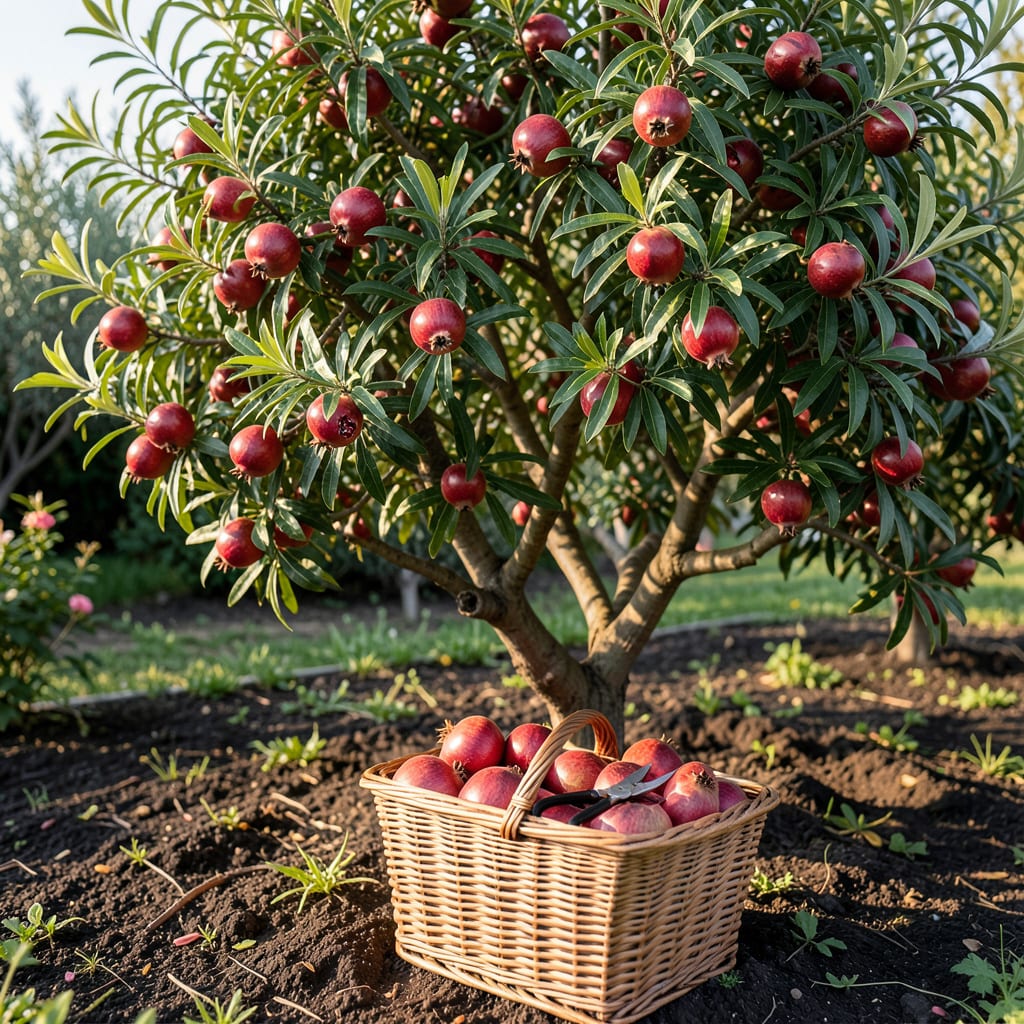
Nothing beats the disappointment of cutting into a pomegranate only to find it’s not quite ready. With the 🍇 Pomegranate, timing is everything for that perfect burst of sweetness.
I’ll show you the 3 sure signs to look for before harvesting. These simple checks guarantee you’ll pick at peak ripeness every time.


Timing your pomegranate harvest is crucial for flavor. I’ve learned that visual cues are the most reliable indicators. The fruit won’t ripen further once picked, so getting it right the first time is essential.
Look for deep, rich color first. Depending on the variety, this could range from ruby red to purple-black. Green or pale hues mean it’s not ready. ☀️
Color Change to deep red, purple, or near-black, depending on variety
Leathery Skin that loses its shine and becomes slightly rough to touch
Stem Cracks near the crown as the fruit expands with juicy arils
The skin texture is another giveaway. As pomegranates ripen, their skin transitions from smooth and shiny to slightly dull and leathery. This change happens as the fruit fills with juice.
You’ll also notice small cracks near the stem. These occur because the arils inside are expanding. Don’t mistake these for damage—they’re a sign of peak ripeness.
For Wonderful variety, the most common type, look for a deep red color covering at least 70% of the surface. Other varieties like Eversweet may stay lighter but still develop a matte finish.
I always check the underside of the fruit too, as it often ripens last. If it’s still green, give it a few more days on the tree. The whole fruit should feel heavy for its size. 🌳
Remember, pomegranates don’t ripen off the tree. So if you’re unsure, it’s better to wait. The fruit will stay fresh on the tree for weeks after reaching maturity, but it won’t improve once picked.
In my experience, the morning sun brings out the best color indicators. Check your fruit in natural daylight for the most accurate assessment. Avoid harvesting after rain, as wet fruit can appear darker than it is.
Finally, trust your senses. A ripe pomegranate will feel firm but slightly soft when gently pressed. The combination of color, texture, and weight will never let you down. 🪴
When visual signs aren’t enough, I rely on sensory tests to confirm ripeness. These methods are foolproof and work for all pomegranate varieties. The fruit’s internal changes give it away through sound and touch.
The tap test is my go-to. Gently tap the fruit with your knuckles—you should hear a metallic, hollow sound. A dull thud means it’s not ready. This works because ripe arils create air pockets inside. 🌱
For the most accurate tap test, use your knuckles on the fruit’s side, not the stem end. The sound difference is noticeably clearer this way.
Weight is another reliable indicator. A ripe pomegranate will feel surprisingly heavy for its size. This is because the arils are plump with juice. Compare similar-sized fruits to spot the heaviest ones.
Check the stem area too. As pomegranates ripen, the crown becomes more pronounced and may slightly separate from the fruit. The stem itself should look dry and woody, not green and fresh. ✂️
I always combine at least two tests for confirmation. A fruit that’s deeply colored and makes a metallic sound is almost certainly ready. Don’t rely on just one sign, as some varieties may show color early.
Remember, the earlier in the day you test, the better. Morning is ideal because the fruit is firm and cool, making the tap sound clearer. Avoid testing after watering, as excess moisture can affect the sound.
With these techniques, you’ll never pick an unripe pomegranate again. The combination of sound, weight, and stem condition gives you confidence in your harvest timing. 🪴
Timing your pomegranate harvest depends heavily on your climate and variety. I’ve found that understanding the seasonal patterns helps avoid picking too early or too late. Most varieties ripen between August and October in the Northern Hemisphere.
In warmer climates like USDA zones 9-11, pomegranates often ripen earlier, sometimes as early as late July. Cooler zones, such as 7-8, may see harvests extending into November. Always monitor the fruit closely as the season progresses. ☀️
Early varieties like Early Wonderful can be ready by late August, while late varieties such as Salavatski may not ripen until October or November. Check your specific variety’s expected timeline for the best results.
I always recommend starting your checks about 200 days after flowering, as this is the average time for most pomegranates to mature. If you’re unsure of the flowering date, begin testing for ripeness signs in early fall. 🌿
Finally, remember that microclimates can affect ripening. A south-facing wall or urban heat island might speed up the process, while shady spots could delay it. Adjust your expectations based on your garden’s unique conditions.
Look for a deep red to purple-black hue covering most of the fruit. Green or pale patches mean it needs more time on the tree.
No, green pomegranates are not ripe and won’t develop proper sweetness. They must reach full color before harvesting, as they won’t ripen off the tree.
Compare similar-sized fruits—the ripe ones will feel surprisingly heavy for their size. This weight comes from juice-filled arils inside.
Gently tap the fruit with your knuckles—a metallic, hollow sound means it’s ready. A dull thud indicates it’s not ripe yet.
