
Beautiful Plants For Your Interior
Beautiful Plants For Your Interior
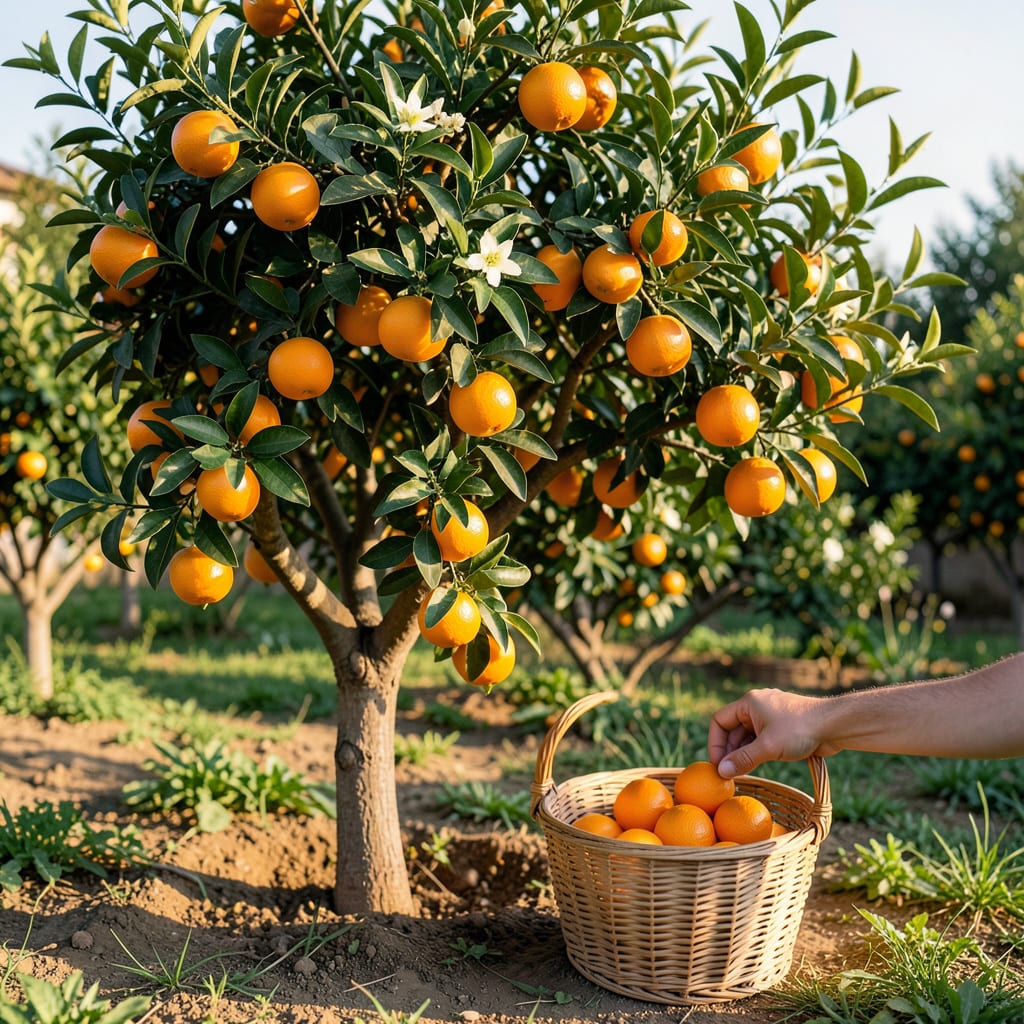
Picking oranges at the perfect moment ensures the sweetest, juiciest fruit. Unlike some fruits, 🍊 Orange doesn’t always change color when ripe, so you’ll need to rely on a few proven tests.
I’ve found that 3 simple checks for color, texture, and aroma can take the guesswork out of harvesting. Let me show you how to pick them at peak flavor every time.


Knowing when to pick oranges can feel like solving a puzzle. I’ve learned that color alone isn’t always reliable, especially with varieties like Navel oranges that may stay green-tinged in warmer climates.🌿
Instead, I focus on 3 proven tests: color consistency, gentle squeeze, and aroma. These methods work across most orange varieties and growing conditions. Let’s dive into each one.🌱
First, examine the color distribution. A fully ripe orange should be evenly orange, but don’t be fooled by green streaks in warmer zones—this is normal for some varieties.🌳
The squeeze test is my go-to. Apply gentle pressure with your palm. If the orange gives slightly, it’s likely ready. If it’s rock-hard, leave it on the tree for a few more days.
Next, try the sniff test. Bring the fruit close to your nose and inhale. A sweet citrus scent at the stem indicates ripeness. No aroma or a sour smell means it needs more time.
For the most accurate results, I recommend combining all 3 tests. A perfectly ripe orange will pass all of them: uniform color, slight give, and a fragrant smell.✂️
If you’re still unsure, pick one test fruit from different parts of the tree. Taste it—if it’s sweet and juicy, the rest are likely ready. If it’s tart, wait another week and retest.
Remember, oranges don’t ripen further once picked, so patience is key. In cooler climates, they may take longer to mature, while in hotter regions, they might ripen faster but retain green hues.💧
Finally, observe the tree’s overall condition. Healthy, well-watered trees with dark green leaves often produce fruit that ripens more uniformly. Stressed trees may have inconsistent ripening.☀️
Timing your orange harvest perfectly depends on more than just ripeness tests. I’ve found that climate and variety play huge roles in when your fruit will be ready. Warmer zones often see earlier ripening.🌿
Different orange types mature at different rates. Navel oranges typically ripen in winter, while Valencia oranges often hold on the tree until spring or even early summer.🌱
| Variety | Harvest Window | Key Sign |
|---|---|---|
| Navel | October – January | Deep orange color |
| Valencia | March – June | Thin skin, juicy |
| Blood Orange | December – April | Reddish blush |
In USDA zones 9-11, oranges generally ripen October through January. But in cooler microclimates, the process slows down, potentially delaying harvest by 2-4 weeks.☀️
Watch for seasonal shifts. A cold snap can accelerate sugar development, while prolonged heat might cause fruit to split. I always check the weather forecast before planning my harvest.💧
Over-ripe oranges often develop dull skin or start dropping from the tree. If you notice these signs, it’s time to act fast. Picking promptly prevents waste and ensures peak flavor.✂️
For the most accurate timing, I combine visual cues with varietal knowledge. Taste testing a few fruits from different branches gives me confidence in the harvest window for the entire tree.🌳
Harvesting oranges at the wrong time can ruin months of hard work. I’ve seen gardeners make critical errors that lead to underripe fruit or wasted harvests. Avoiding these pitfalls ensures the best flavor and yield.🌿
One of the biggest mistakes is picking based on color alone. As I mentioned earlier, some oranges retain green streaks even when ripe, especially in warm climates. Always combine multiple ripeness tests for accuracy.🌱
Picking too early results in sour, dry fruit. Ignoring weather can lead to split oranges or premature dropping.
Another common error is using dull or dirty tools. Always use clean, sharp pruners or scissors to avoid damaging the tree or fruit. A jagged cut can invite disease and stress the plant.✂️
Timing matters too. Harvesting during rainy weather can lead to mold growth on stored fruit. I always wait for dry conditions and pick in the cool morning hours to preserve freshness.💧
Finally, don’t overlook the tree’s health. Stressed or water-deprived trees may produce unevenly ripe fruit. Ensure consistent watering and watch for signs of pests or disease before harvesting.☀️
Not always! Some varieties like Navels may retain green patches in warm climates. Check for even color distribution and use the squeeze test for confirmation.
Look for dull skin or fruit dropping naturally. Overripe oranges often feel softer than usual and may split. Harvest immediately to prevent waste.
Avoid harvesting during or right after rain. Wet fruit is prone to mold in storage. Wait for dry conditions and pick in the morning for best results.
Navel oranges ripen in winter, while Valencias often hold until spring. Blood oranges may show a reddish blush when ready.
