
Beautiful Plants For Your Interior
Beautiful Plants For Your Interior
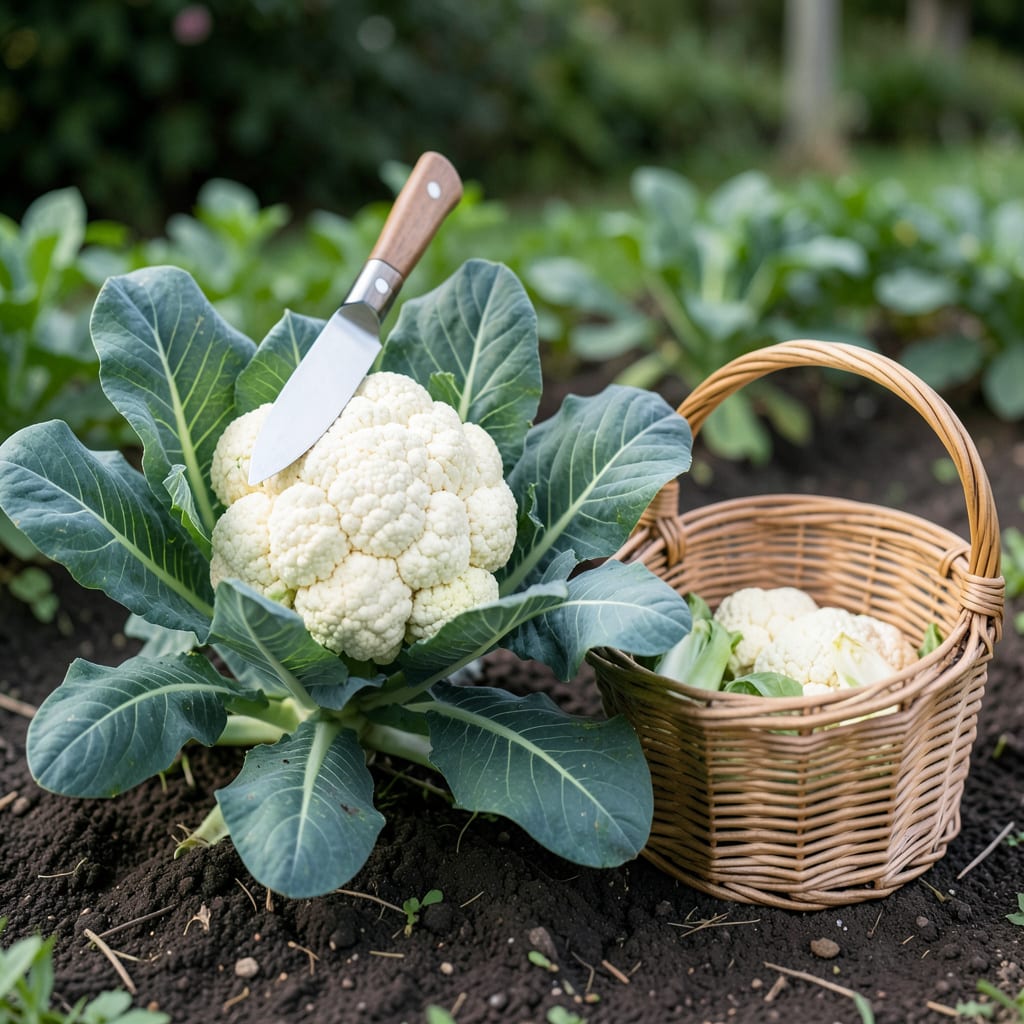
Harvesting Cauliflower 🥬 at the perfect moment means the difference between crisp perfection and bitter disappointment. Your plants actually tell you when they’re ready.
I’ll show you the key visual cues and simple tests to check for that ideal firmness and size. No more guessing games with your garden harvest.


Knowing when to pick cauliflower starts with watching for head size. A mature head typically reaches 6-8 inches in diameter. This is your first visual cue that harvest time is near.
The curd texture matters most. It should look tight and compact, not loose or separated. Gently press the head—it should feel firm, not soft or spongy.
| Sign | What to Look For |
|---|---|
| Head Size | 6-8 inches diameter |
| Curd Tightness | Firm and compact |
| Leaf Posture | Separating from head |
| Color | Uniform (white, purple, or green) |
Check the outer leaves. When they begin to separate from the head, it’s a strong indicator that the cauliflower is nearing readiness. This usually happens just before the perfect harvest window.
Color consistency is another key factor. For white varieties, the head should be creamy white. Purple types deepen in color, while green varieties develop a vibrant, even hue.
If the curds start separating or the head feels soft, you’ve waited too long. Overripe cauliflower becomes bitter and loses its crisp texture, so act quickly once you spot these signs.
Early morning is the best time to harvest. The heads are most firm after a cool night, and you’ll preserve the freshest flavor. Use a sharp knife to cut the stem just below the head.
Don’t forget to check the underside of the head. Sometimes, the top looks ready, but the base may still need a few more days. A fully formed head will be dense all the way through.
If you’re growing colored cauliflower, like purple or orange, the color will intensify as it matures. These varieties often take a few extra days compared to white cauliflower.
Finally, trust your instincts. If the head looks fully formed and meets the size and texture criteria, it’s time to pick. Waiting too long risks losing the perfect window for the best flavor and texture.
Harvesting at the right moment ensures your cauliflower stays crisp and delicious straight from the garden 🌱
Waiting too long is the most common mistake with cauliflower harvest. Once curds separate, the head turns grainy and loses its crisp texture. This happens fast in warm weather.
Harvesting too early gives you small, underdeveloped heads. While it’s tempting to pick the first sign of formation, patience ensures full size and flavor. Check the diameter before cutting.
⚠️ Warning: Heat causes bolting—cauliflower left too long in hot weather will flower and turn bitter. Harvest before temperatures exceed 80°F.
Ignoring weather impact ruins many harvests. A sudden heat wave can force your cauliflower to bolt overnight. Monitor forecasts and plan your harvest around temperature spikes.
Overlooking pest damage signs means you might harvest spoiled heads. Check for aphids or cabbage worms hiding under leaves. These pests accelerate deterioration and affect quality.
Another mistake is not checking the underside. The top may look ready, but the base often needs more time. Always inspect the entire head for uniform firmness and color.
Finally, don’t harvest in the heat of the day. The best time is early morning when the heads are most firm. This preserves texture and extends shelf life after picking.
Timing your cauliflower harvest right avoids these pitfalls and keeps your crop at peak quality 🌱
Before harvesting, I always perform the squeeze test. Gently press the cauliflower head—it should feel solid and firm, not soft or spongy. This indicates the curds are tightly packed.
Next, I do a visual inspection. Look closely at the curd structure. If the individual florets are starting to separate or loosen, the head is past its prime and needs immediate attention.
I also check the leaf angle. The outer leaves should be slightly curled upward at the base of the head. This subtle change signals the cauliflower is nearing perfect ripeness.
For a final confirmation, I measure the head diameter. A ruler or tape measure ensures accuracy. Most varieties are ready between 6-8 inches, but some heirlooms may grow larger.
If all these tests pass, your cauliflower is ready. Harvest in the early morning for the best texture and flavor. Trust these checks to avoid picking too early or too late 🌱
Aim for a diameter of 6-8 inches. Smaller heads may still be growing, while larger ones risk becoming overripe. Check the underside too—it should look fully formed.
Look for separating curds or a soft, spongy texture. These are signs it’s past peak. Overripe heads turn bitter and grainy, so harvest quickly if you see these changes.
Yes! Pick in the early morning when heads are firmest after a cool night. This preserves texture and flavor better than harvesting during midday heat.
Give it a few more days. Leaves pulling away is a late sign of readiness. If the head is firm and compact, it’s nearly time—just watch closely for that final cue.
