
Beautiful Plants For Your Interior
Beautiful Plants For Your Interior
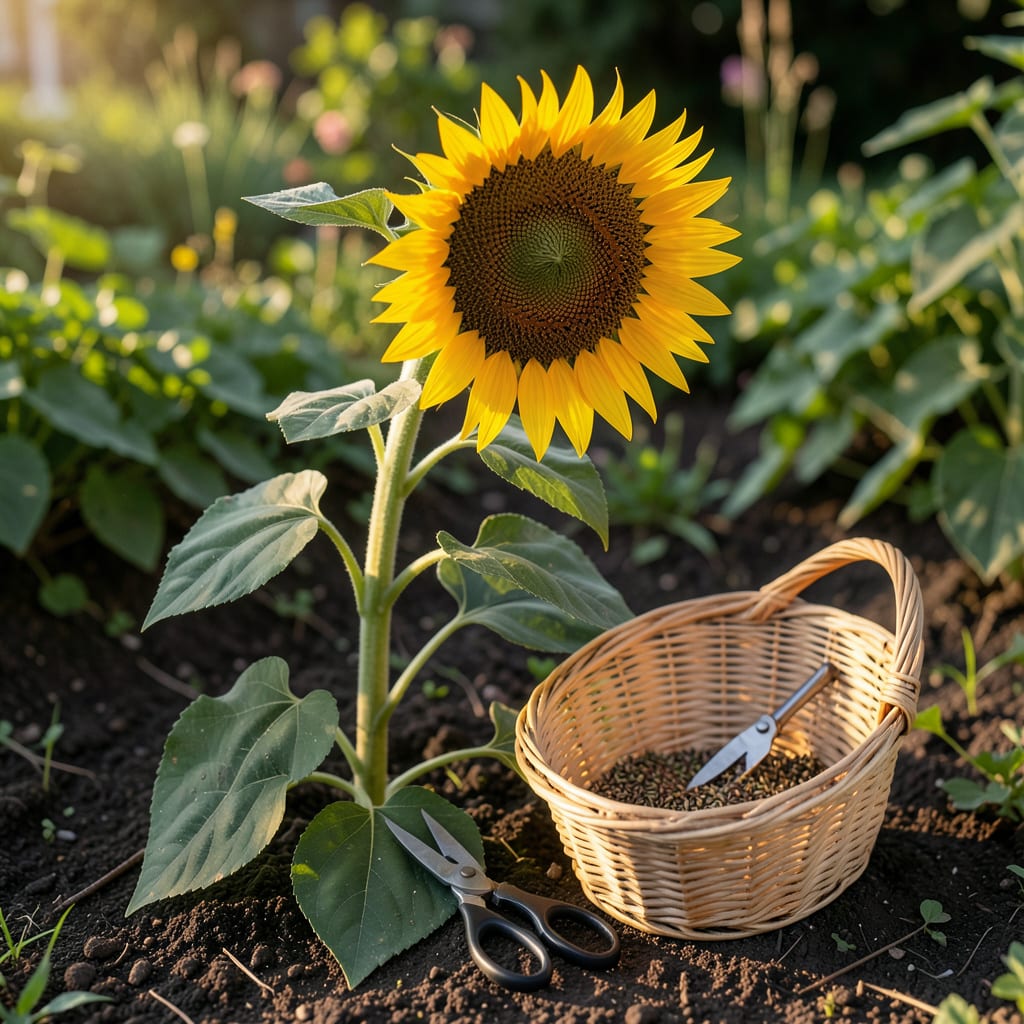
Timing your sunflower harvest perfectly can make or break your seed yield. The 🌻 Sunflower gives clear signals when it’s ready, and missing them means wasted effort.
I’ll show you the most reliable visual cues to watch for on the back of the head. These simple signs take the guesswork out of knowing exactly when to pick.


The back-of-head method is my go-to for harvesting sunflower seeds at peak ripeness. This technique focuses on the color change that happens on the back of the flower head as the seeds mature.
When the back turns yellow or brown, it’s a clear sign the seeds are nearly ready. The petals will also start to wilt and dry, which is nature’s way of telling you the process is complete.
| Sign | Description |
|---|---|
| Back color | Turns yellow to brown |
| Petals | Wilt and fall off |
| Seeds | Plump and dark |
| Seed shells | Hard and dry |
I always check the seed texture too. When they’re ready, the shells will feel hard and dry to the touch. If they’re still soft or squishy, they need more time on the stalk.
Another reliable test is to gently rub a few seeds. If they come loose easily, your sunflower is ready. This is especially useful for giant varieties where the head is too large to inspect fully.
The timing also matters. Most sunflowers take 70-120 days to mature, with the ideal harvest window around 85 days for most varieties. I recommend checking daily once you notice the first color changes.
For dwarf sunflowers, the process is faster, often ready in 60-70 days. The back-of-head method works the same way, just on a smaller scale. Don’t let their size fool you into harvesting too early.
I’ve found that morning harvesting works best. The seeds are driest after a night without dew, making them easier to remove and store. This also helps prevent mold growth during the drying process.
If you’re growing multiple sunflowers, stagger your checks. Different plants may mature at slightly different rates, even if planted at the same time. The back-of-head method will help you identify which ones are ready first.
Remember that weather conditions can affect maturity. A hot, dry summer might speed up the process, while cool, wet weather could delay it. Always rely on the visual cues rather than just the calendar.
Harvesting sunflower seeds at the right moment is just the first step. The way you remove and handle them makes all the difference in preserving quality and preventing waste.
I always start by inspecting the head for the visual cues we discussed. Once confirmed ready, I use sharp pruners to cut the stem about 6 inches below the head to avoid damaging the seeds.
1. Cut the Head
Use clean pruners to remove the head with a 6-inch stem attached.
2. Dry the Head
Hang the head upside down in a dry, well-ventilated area for 1-2 weeks.
3. Remove Seeds
Gently rub the head to loosen the seeds once completely dry.
4. Clean Seeds
Separate seeds from debris by winnowing or using a fine mesh screen.
5. Store Properly
Keep seeds in an airtight container in a cool, dark place.
When drying, I make sure the location has good airflow and is protected from moisture. A covered porch or garage works well. Avoid direct sunlight, as it can cause the seeds to overheat and spoil.
For large sunflower heads, I recommend placing a paper bag around the head before hanging. This catches any seeds that might fall during drying and keeps them clean and contained.
Never rush the drying process. If seeds are not fully dry when stored, they can develop mold and become inedible. I test by pressing a seed with my fingernail—if it doesn’t dent, it’s ready.
Once stored, your sunflower seeds will keep for up to a year if kept in optimal conditions. This method ensures the best flavor and viability for future planting or snacking. ☀️
Even with the back-of-head method, it’s easy to jump the gun. I’ve learned to watch for clear warning signs that my sunflower seeds need more time to mature properly.
The most obvious red flag is when the back of the head is still bright green. This means the seeds are still developing and not ready for harvest, no matter how tempting they look.
⚠️ Warning: Don’t Harvest Yet!
Green back, soft seeds, or firm petals mean your sunflowers need more time to mature.
Another sure sign is when the seeds appear flat or underdeveloped. Mature seeds should be plump and fully formed, so if they look shriveled or small, give them more time on the stalk.
If the petals are bright and firmly attached, your sunflower isn’t ready. The drying and wilting of petals is a critical stage in the maturation process that shouldn’t be rushed.
I also check the seed shells. If they’re still soft or moist, the seeds inside aren’t protected enough for harvest. They should be hard and dry to the touch when truly ready. 🌻
It should turn from green to yellow or brown when ready. This color change is the most reliable visual cue that seeds are mature and safe to harvest.
Gently rub a few seeds with your finger. If they loosen easily and feel hard and dry, they’re ready. Soft or moist shells mean they need more time.
Yes, picking before the back turns yellow or brown results in underdeveloped seeds that won’t store well. They may also taste bitter or fail to germinate if saved for planting.
Hang the head upside down in a dry, ventilated area for 1-2 weeks. This ensures seeds are fully dry before storage to prevent mold.
