
Beautiful Plants For Your Interior
Beautiful Plants For Your Interior
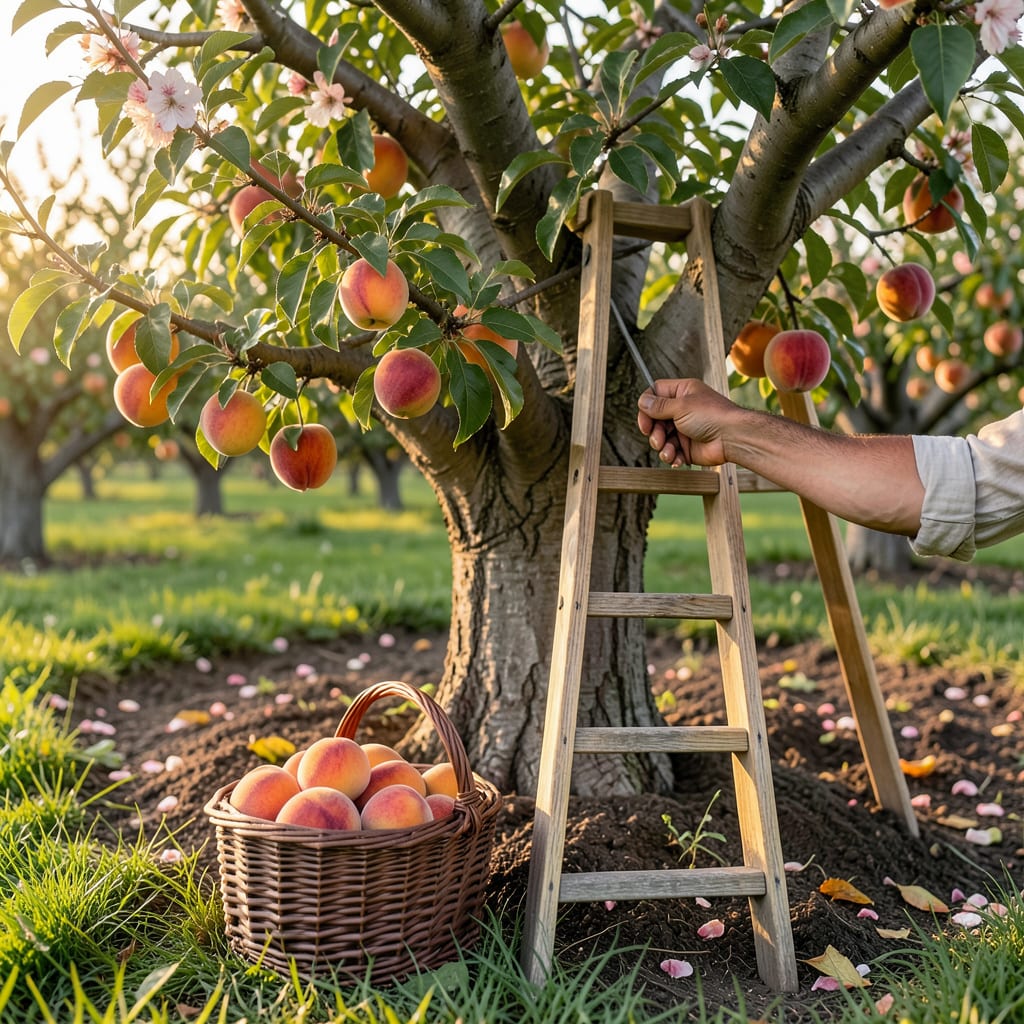
There’s nothing worse than sinking your teeth into a peach only to find it’s still hard as a rock—or worse, mushy and overripe. Timing is everything when harvesting these summer gems, and missing the sweet spot can mean the difference between a lackluster snack and a burst of sun-ripened perfection.
I’ve spent seasons fine-tuning the art of picking peaches at their peak, and the secrets lie in a few simple clues. From color shifts to the subtle give of the fruit, I’ll show you exactly what to look for—so you can confidently pluck every peach at its juiciest, most flavorful moment.


Nothing beats the satisfaction of plucking a sun-warmed peach straight from your tree—if you time it right. The difference between a perfectly ripe peach and one that’s under- or overripe comes down to a few key clues. I’ve learned the hard way that color alone isn’t enough.
You’ll want to check for a combination of visual cues, texture changes, and even scent hints. Let’s break down the five most reliable signs so you can harvest with confidence. Trust me, your taste buds will thank you later.🌿
💡 Pro Tip: Test a few fruits first! Peaches on the same tree can ripen at slightly different times.
Let’s start with the most obvious—but often misunderstood—sign: color change. Many gardeners assume a red blush means ripeness, but that’s just half the story. The background color (the area near the stem) is what really matters.
An unripe peach has a green or pale yellow base, while a ripe one shifts to a deep golden hue. For varieties like ‘Elberta’ or ‘Redhaven,’ this transition is dramatic. I like to compare fruits on different branches—if most show that creamy gold, it’s go time.☀️
Next up: the scent test. A ripe peach doesn’t just look ready—it smells ready. Cup the fruit in your hands and inhale near the stem. You should detect a sweet, floral aroma almost like honey.
No smell? Leave it on the tree. Overpowering fermented odor? You’ve waited too long. This trick works especially well for freestone peaches, which tend to be more aromatic than clingstones. I’ve found early-morning sniff tests yield the strongest scents.👃
The gentle squeeze test is where most people go wrong. You’re not checking for mushiness—just a subtle give near the stem when pressed with your thumbnail. Think of it like testing an avocado: too firm means wait, but too soft means it’s past prime.
For clingstone peaches, expect slightly more resistance since the pit clings to the flesh. Freestones will feel a tad softer. If you’re unsure, compare a suspect peach to one you know is ripe—the difference is obvious once you’ve done it a few times.✂️
Here’s a test even beginners can master: the twist-and-lift method. Cradle the peach in your palm, then twist it upward slightly. If it detaches easily, it’s ready. If you’re yanking, it’s not. This works because ripe peaches naturally release from the tree with minimal force.
I use this trick for high branches—if I can’t reach, I’ll tug gently on lower fruits first to gauge ripeness. Just don’t pull downward, or you might damage the spur (the small branch where the fruit grows).🌳
Finally, don’t overlook the skin texture. Unripe peaches have a prickly fuzz that softens as they mature. Run your fingers over the surface—a ripe peach feels smoother, almost velvety. This is especially useful for varieties like ‘Donut Peaches,’ which can be tricky to judge by color alone.
Combine all five signs, and you’ll never second-guess your harvest again. And remember: peaches won’t ripen further once picked, so when in doubt, leave it on the tree one more day. Your patience will pay off in flavor!🍑
Watching peaches mature on your tree is like nature’s own countdown timer—if you know what to look for. The journey from hard green fruit to juicy perfection happens in predictable stages, but timing varies by variety and climate. I’ve tracked this progression for years, and the clues are easier to spot than you might think.
Most peaches follow a 120-day timeline from bloom to harvest, though early varieties like ‘Springcrest’ may ripen in 110 days, while late-season ‘O’Henry’ can take 130 days. Your local weather plays a huge role—heat waves speed things up, while cool spells slow them down. That’s why I always recommend checking fruits daily once they start changing color.☀️
| Stage | Visual/Physical Signs | Timeframe |
|---|---|---|
| Early Growth | Hard green fruit, no blush, fuzzy skin feels prickly | Weeks 1-8 after bloom |
| Color Break | Green fades to pale yellow; slight size increase | Weeks 9-10 |
| Blush Development | Red/pink blush appears, but background stays greenish | Weeks 11-12 |
| Near-Ripe | Golden background, strong blush, slight give when squeezed | Weeks 13-14 |
| Peak Ripeness | Deep golden hue, sweet aroma, separates easily with twist | Weeks 15-16 |
| Overripe | Soft/mushy, fermented smell, may drop from tree | Week 17+ |
💡 Note: Clingstone varieties often ripen 1-2 weeks earlier than freestones. Adjust timeline based on your specific cultivar.
The first major shift happens around week 9-10, when the peach’s green base color begins lightening to pale yellow. This is called the “color break” stage, and it’s your signal to start paying closer attention. I mark this moment on my calendar because it means harvest is just 4-6 weeks away.
By week 12, you’ll notice a red or pink blush developing on the sun-exposed side. This is when many gardeners get excited—but don’t pick yet! The background color (the part not touched by sun) should still be greenish. This is the stage where peaches are most vulnerable to bird pecks, so consider netting if you’ve had issues before.🪴
The “near-ripe” phase (weeks 13-14) is where things get tricky. The peach will show that golden background we talked about earlier, and you might detect a faint sweet smell. This is when I start doing daily twist tests—gently lifting fruits to see if they’re ready to detach. Remember, peaches ripen from the inside out, so even if the outside looks ready, the flesh near the pit might still be firm.
Peak ripeness arrives around weeks 15-16, when all our earlier signs align: deep golden color, sweet aroma, and easy stem separation. This window lasts only 3-5 days before peaches start to overripen, so plan to harvest promptly. I like to pick in the early morning when fruits are cool and firm—it helps them last longer in storage.⏰
Most peach varieties take 110-130 days from bloom to harvest, with early types like ‘Springcrest’ ready in about 110 days and late-season ones like ‘O’Henry’ needing 130 days. Weather plays a big role—heat speeds it up, while cool spells slow it down.
No, peaches won’t ripen further once picked. Unlike some fruits, they don’t continue developing sugar or softening off the tree. That’s why it’s crucial to wait until they’re fully ripe before harvesting. If picked early, they’ll stay hard and lack flavor.
Early morning is ideal, when fruits are cool and firm. This helps them last longer in storage. Avoid picking during the heat of midday, as peaches can become too soft and bruise easily. I always bring a basket and start harvesting right after dew dries.
Sun exposure and branch location cause this variation. Fruits on sunny outer branches often ripen first, while shaded ones lag behind. Different parts of the tree may also have slightly different microclimates. Always check multiple peaches before deciding the whole tree is ready.
Use bird netting once peaches start showing color (around week 12). Secure it loosely to avoid damaging branches. For small trees, reflective tape or old CDs hung nearby can deter birds. I’ve found netting works best—just remove it temporarily for harvesting.
