
Beautiful Plants For Your Interior
Beautiful Plants For Your Interior
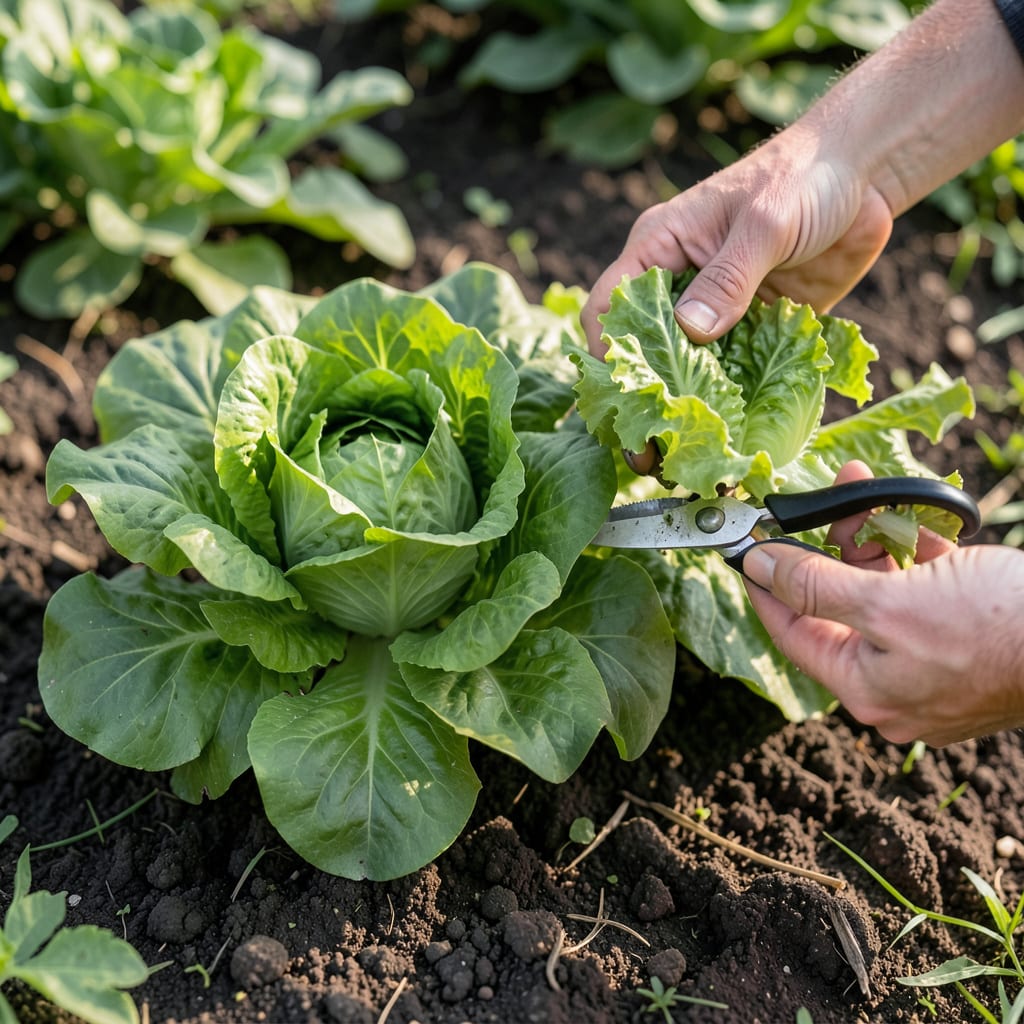
I still remember the first time I pulled up a head of 🥬 Lettuce too early—it was small, bitter, and far from the crisp delight I’d imagined. Timing your harvest is the key to getting those perfect, flavorful leaves.
Whether you’re growing butterhead or romaine, knowing the exact signs of maturity makes all the difference. Let me show you how to spot when your Lettuce is truly ready to pick.


Harvesting lettuce at the right time ensures the best flavor and texture. Each variety has unique maturity signs, so knowing what to look for is essential for a perfect harvest.
From head lettuce to loose-leaf types, the visual and tactile cues vary. I’ll walk you through the key indicators for each type so you never pick too early or too late.
| Variety | Signs of Readiness |
|---|---|
| Head Lettuce | Firm, compact head; 6-8 inches wide |
| Leaf Lettuce | Outer leaves 4-6 inches long; vibrant color |
| Romaine | Elongated heads; crisp leaves with deep green color |
| Butterhead | Soft, buttery leaves; loose head formation |
Head lettuce like Iceberg forms a tight, firm ball when ready. Gently squeeze the head—if it feels solid, it’s time to harvest. This usually happens 70-90 days after planting.
Leaf lettuce varieties, such as Black Seeded Simpson, are ready when the outer leaves reach about 4-6 inches in length. You can harvest these leaves individually, allowing the inner leaves to continue growing.
Romaine lettuce forms an upright, elongated head. The leaves should be dark green and crisp. Harvest the entire plant when it reaches about 10-12 inches in height, typically 75-85 days after sowing.
Butterhead lettuce, including Bibb and Boston types, has a softer texture and forms a loose head. The leaves should be tender and have a buttery feel. This variety is usually ready in 60-70 days.
For all types, color is key. Lettuce leaves should be rich and vibrant, whether green, red, or purple. Pale or yellowing leaves often indicate the plant is past its prime or stressed.
Another sign is leaf texture. Ready lettuce leaves are crisp and firm, not wilted or floppy. If the leaves feel thin or fragile, give the plant a few more days to mature.
Timing also depends on the days to maturity listed on your seed packet. Most lettuce varieties are ready to harvest between 30-70 days after planting, but always check the specific guidelines for your type.
Harvesting lettuce the right way ensures healthy regrowth and prevents plant damage. I always use sharp, clean tools to make clean cuts and avoid tearing the leaves.
Timing matters too—picking in the cool morning hours helps preserve crispness and flavor. For leaf varieties, I harvest the outer leaves first, allowing the center to keep growing.
For head lettuce, I cut the entire plant at the base with a sharp knife. This prevents bruising and ensures a clean break. Always leave the root system intact if you plan to compost it later.
With leaf lettuce, I never remove more than one-third of the plant at once. This encourages continuous production and keeps the plant healthy for future harvests.
After harvesting, I rinse the leaves gently to remove dirt and pests. Store them in the fridge with a paper towel to absorb moisture and extend freshness.
Finally, I inspect the plant regularly for signs of disease or pests. Healthy plants recover faster after harvesting and produce more tender, flavorful leaves for future picks. ☀️
Even experienced gardeners sometimes harvest lettuce at the wrong time, leading to bitter or tough leaves. One of the biggest mistakes is waiting too long, especially with head lettuce, which can split or bolt.
Another common error is harvesting during the hottest part of the day. Lettuce leaves wilt quickly in heat, losing their crispness and developing a bitter taste. I always aim for early morning or late afternoon harvesting.
⚠️ Warning: Avoid harvesting lettuce in direct midday sun. Heat stress causes bitterness and wilting. Always pick in cool, shaded conditions for the best flavor and texture.
Improper storage after harvesting can also ruin your crop. I’ve learned that lettuce left in the sun or stored without moisture turns limp and loses its freshness quickly. Store it in the fridge with a damp paper towel to maintain crispness.
Overcrowding is another issue that affects maturity. When seedlings aren’t thinned, competition for nutrients leads to stunted growth and uneven maturity. I thin my lettuce to 8-12 inches apart for optimal results.
Finally, inconsistent watering can cause stress, leading to bitter leaves. I keep my lettuce beds evenly moist but not soggy, especially during dry spells. This ensures steady growth and sweet flavor. 🌱
Picking too soon results in small, thin leaves with a mild or bitter flavor. Wait until leaves reach 4-6 inches for leaf varieties or the head feels firm for head lettuce.
Yes! For leaf varieties, remove only the outer leaves, leaving the center to regrow. Head lettuce is typically a one-time harvest, but you can succession plant for continuous supply.
Bitterness often comes from heat stress or overmaturity. Harvest in the cool morning and pick before the plant bolts. Consistent watering also prevents stress-related bitterness.
Butterhead forms a loose, soft head. It’s ready when leaves are tender with a buttery texture and reach 6-7 inches wide, usually in 60-70 days.
