
Beautiful Plants For Your Interior
Beautiful Plants For Your Interior
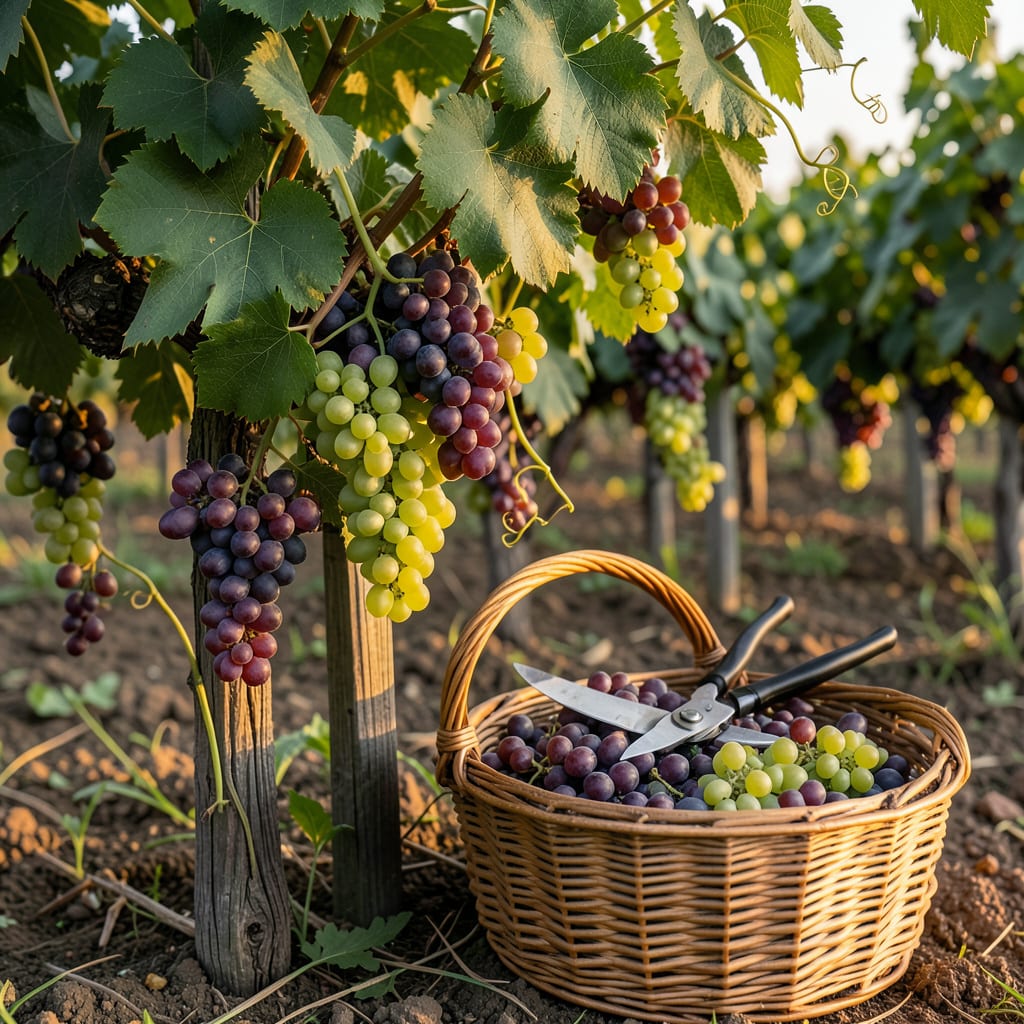
I remember the first time I stood in my garden, staring at clusters of 🍇 Grape and wondering if they were ready. Timing is everything when it comes to that perfect sweetness.
There are simple signs to look for that will tell you exactly when to harvest. Let me walk you through what to watch for so you never pick too early or too late again.


I’ve learned that color transformation is the first clue your grapes are ready. For red varieties, watch for a deep crimson hue, while green types turn translucent yellow. This shift signals sugar development inside.
Next, examine the berry texture. Ripe grapes feel plump and slightly soft when gently squeezed. If they’re still hard or firm, they need more time on the vine to sweeten.
| Sign | Ripe Indicator |
|---|---|
| Color | Full, rich hue for variety |
| Texture | Plump and slightly soft |
| Stem | Brown and woody |
| Cluster | Berries separate easily |
The stem condition offers another reliable sign. When stems turn brown and woody, your grapes are likely ready. Green, flexible stems mean the harvest isn’t quite there yet.
I always check how easily berries detach from the cluster. Ripe grapes will pull away effortlessly with a gentle tug. If they resist, they need more time to reach peak sweetness.
Don’t forget to look at the cluster appearance. Ripe clusters have uniform color and the berries look full and juicy. Any green patches or shriveling indicate they’re not ready.
For white grape varieties, the transition is subtler. They’ll shift from opaque green to a translucent golden or amber color when ripe. This translucency shows the sugar content has developed.
I’ve found that morning harvesting works best. The grapes are cooler and firmer, making them easier to handle without bruising. Plus, the sugar concentration is at its peak after a cool night.
Remember that ripeness varies even within the same vine. I always sample berries from different clusters to confirm. What works for one bunch might not apply to another.
Finally, trust your senses. The aroma of ripe grapes is noticeably sweet and fragrant. If you can smell that characteristic grape scent, it’s a sure sign they’re ready to pick. 🌿
I always start with a taste test to confirm my grapes are ready. The flavor is the most reliable indicator of ripeness, and it’s simple to do right in the garden.
Pick a few berries from different clusters since ripeness can vary. Pop one in your mouth and check for that perfect balance of sweetness and acidity. If it tastes tart, they need more time.
For a more scientific approach, I use a refractometer to measure sugar content. Most table grapes are ready at 16-20% sugar, while wine grapes may need higher levels depending on the variety.
The seed color is another telltale sign. In most varieties, brown seeds indicate ripeness, while green seeds mean the grapes need more time. This is especially useful for seeded varieties.
I’ve found that early morning is the best time to test. The grapes are at their coolest and juiciest, giving you the most accurate read on their flavor and ripeness.
Remember that weather affects ripeness. Hot, dry conditions can speed up the process, while cool, wet weather might delay it. Always adjust your testing schedule based on recent conditions.
Finally, trust your palate. If the grapes taste deliciously sweet with just the right amount of tang, they’re ready to harvest. That perfect flavor is your best confirmation. 🌱
I’ve seen many gardeners rush the harvest and pick their grapes too early. This results in tart, underripe fruit that lacks sweetness. Patience is key—wait for all the ripeness signs to appear.
Another common error is ignoring weather conditions. Picking grapes after heavy rain can dilute their sugar content, while harvesting during extreme heat may cause berries to split. Aim for dry, mild days.
⚠️ Harvest Warning
Never pull entire clusters forcefully. Gently twist ripe grapes to avoid damaging the vine or fruit. Rough handling can bruise berries and reduce storage life.
Many growers overlook cluster inspection. Always check for uneven ripening within a bunch. If some berries aren’t ready, wait a few more days rather than harvesting the whole cluster prematurely.
I’ve also learned not to harvest in the afternoon. The heat of the day can make grapes too soft, increasing the risk of bruising. Early morning is ideal when berries are firm and cool.
Finally, avoid using dull tools for cutting stems. Clean, sharp pruning shears ensure a clean cut that won’t harm the vine. This small step makes a big difference in plant health and fruit quality. 🌿
Color depends on the variety. Red grapes turn deep crimson or purple, while green types shift to translucent yellow or golden. White varieties become translucent when ready.
Perform a taste test by sampling berries from different clusters. Use a refractometer for precision—most table grapes are ready at 16-20% sugar. Check seed color too: brown seeds mean ripe.
Ripeness varies due to sun exposure, cluster location, and vine health. Berries on the outer edges often ripen first. Always test multiple clusters to confirm.
Avoid picking after heavy rain (dilutes sugar) or during afternoon heat (softens berries). Early morning on dry days is ideal for firm, sweet fruit.
