
Beautiful Plants For Your Interior
Beautiful Plants For Your Interior
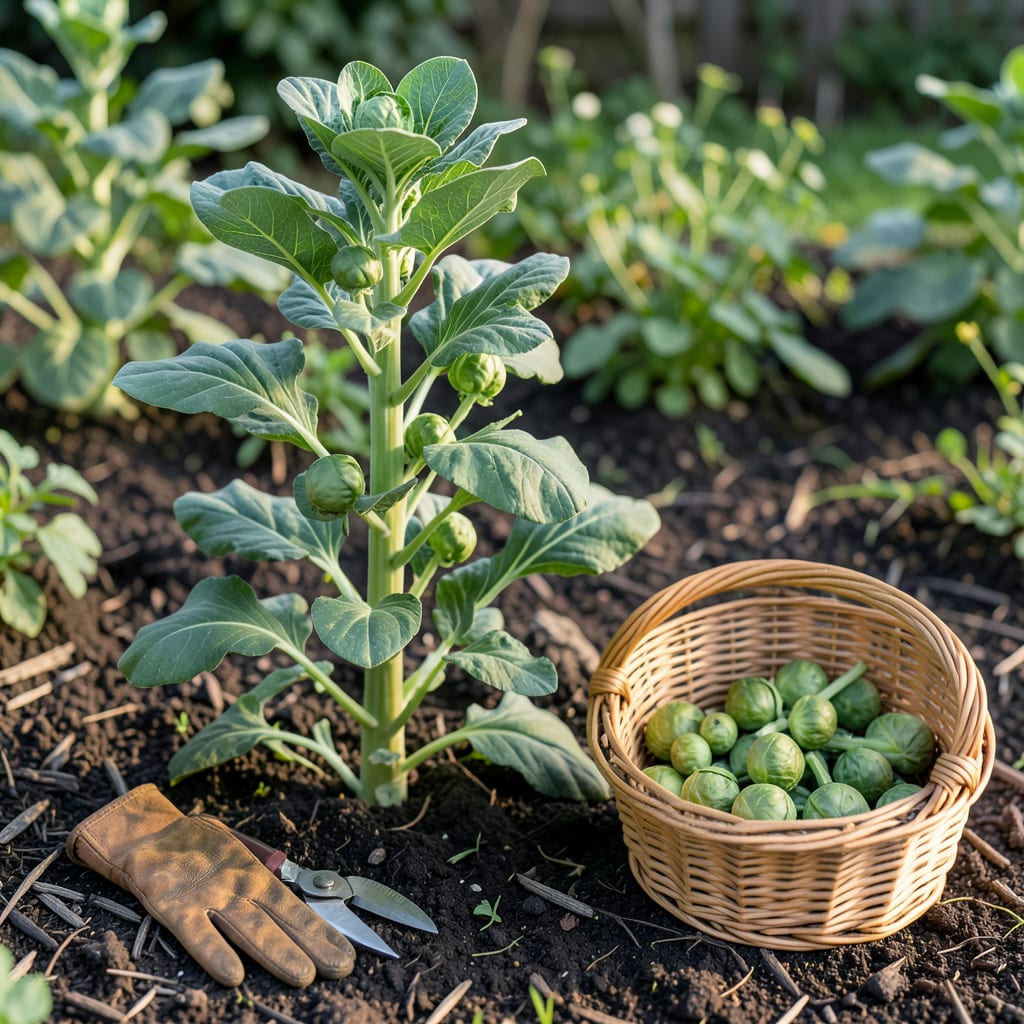
Harvesting Brussels Sprouts 🥬 at the perfect moment ensures the best flavor and texture. Timing it right can be tricky even for seasoned gardeners.
I’ll show you the clear signs to look for – from size and color to that satisfying firmness. Discover how to pick them at peak perfection every time.


Timing your Brussels Sprouts harvest perfectly makes all the difference in flavor and texture. I’ve found that watching for physical changes is far more reliable than guessing based on days planted.
Look for firm heads about 1-2 inches in diameter at the base of the plant first. The lower sprouts always mature before the upper ones, so start checking there.
| Sign | Ready When |
|---|---|
| Size | 1-2 inches diameter |
| Color | Deep green and vibrant |
| Texture | Firm and compact |
| Stem | Snaps easily when bent |
The color transformation is another dead giveaway. Your sprouts should turn a rich, deep green when they’re approaching readiness. Any yellowing leaves at the base are normal and often indicate maturity.
I always do the squeeze test – gently press the sprout between your fingers. If it feels hard and dense, it’s ready. Soft or spongy sprouts need more time on the plant.
Remember that lower sprouts mature first, so begin your harvest from the bottom of the stalk. The upper sprouts will continue developing as you work your way up the plant over several weeks.
Avoid picking sprouts that are loose or open, as these are past their prime. Also steer clear of tiny sprouts under 1 inch – these haven’t reached their full potential yet.
The snap test works well too. Bend a sprout sideways – if it snaps off cleanly, it’s ready to harvest. If it bends without breaking, give it a few more days.
In my experience, light frost actually improves the flavor of Brussels sprouts by reducing their bitterness. Don’t rush to harvest before a light frost – it’s nature’s way of enhancing your crop.
Finally, check your planting date. Most varieties take 90-120 days to mature. If you’re in this window and seeing these visual signs, you’re likely good to start harvesting from the bottom up.
🌱
Timing your Brussels sprout harvest correctly is key to flavor. These cool-weather crops typically need 90-120 days to mature from planting. I always watch for the first light frost, which can actually enhance their sweetness by reducing bitterness.
The sprouts mature from the bottom up, so start checking the lowest ones first. Don’t rush – picking too early means smaller, less developed sprouts. Patience here really pays off in both size and taste. ☀️
Key Harvest Timing Factors
I’ve found that after a light frost, the sprouts develop a sweeter, nuttier flavor. The cold triggers a natural sugar development in the plant. But avoid harvesting after a hard freeze, as this can damage the sprouts.
Remember that consistent watering throughout the growing season helps ensure even maturation. Dry spells can cause uneven development, with some sprouts ready while others lag behind. Keep the soil moist but not soggy for best results.
For continuous harvest, pick mature sprouts every few days as they reach size. The plant will continue producing upward along the stalk. This staggered approach can extend your harvest for several weeks.
In my experience, the sweet spot is when sprouts are 1-2 inches in diameter and feel firm. Don’t wait for them to get too large, as they can become tough and bitter. Regular checking is the secret to perfect timing. 🌱
Harvesting Brussels Sprouts properly ensures you get the best yield without harming the plant. I always start with the squeeze test – gently press a sprout to check for firmness. If it feels dense and hard, it’s ready to pick.
Use a sharp knife or clean pruning shears to cut the sprout from the stalk. Leave the plant intact so it can continue producing more sprouts up the stalk. Always harvest from the bottom up as lower sprouts mature first.
Pro Tip: Harvest every 2-3 days during peak season. This encourages the plant to focus energy on developing the remaining sprouts.
For the snap test, bend a sprout sideways. If it snaps off cleanly, it’s ready. If it bends without breaking, leave it for a few more days. This method is quick and doesn’t require any tools.
Always leave the top leaves and growing tip intact. This allows the plant to continue photosynthesizing and producing more sprouts. I’ve found this approach extends my harvest by 2-3 weeks into the season.
After a light frost, check your sprouts daily as they’ll mature faster. The cold can trigger rapid development, so frequent checks prevent over-ripening. Store harvested sprouts in a cool, dry place until ready to use.
🌱
Look for sprouts that are 1-2 inches in diameter. Smaller ones under 1 inch need more time, while oversized sprouts may become tough.
Do the squeeze test—gently press between your fingers. Ready sprouts feel hard and compact, not soft or spongy.
No! Start with the lowest sprouts first, as they mature earliest. The plant will keep producing upward, giving you a 2-3 week harvest window.
A light frost actually improves flavor by reducing bitterness. Harvest after frost but before a hard freeze, which can damage them.
