
Beautiful Plants For Your Interior
Beautiful Plants For Your Interior
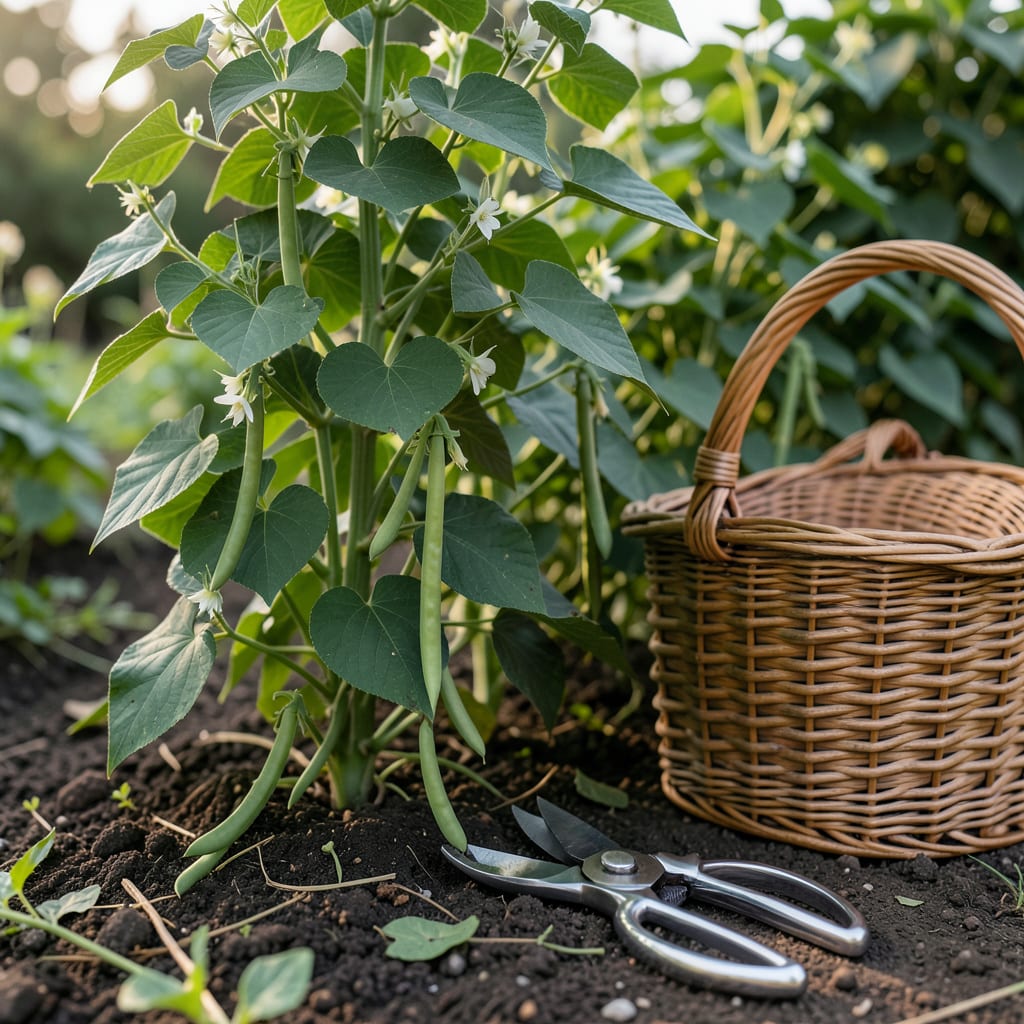
Picking beans at the perfect moment ensures the best flavor and texture. I’ve learned that timing can make or break your harvest.
With 🌱 Beans, you need to watch for specific visual and physical clues. Let me show you exactly what to look for so you never miss that ideal window again.


I always check for visual cues first when determining bean readiness. The pod color is often the most obvious indicator, changing from dull to vibrant as they mature.
For green beans, look for a deep, uniform green. Wax beans turn a creamy yellow. Both should appear smooth and firm without any wrinkling. 🌱
| Bean Type | Ready Color | Pod Size | Texture |
|---|---|---|---|
| Green Beans | Deep green | 4-6 inches | Firm, crisp |
| Wax Beans | Creamy yellow | 4-6 inches | Smooth, snappy |
| Lima Beans | Bright green | 3-4 inches | Plump, bulging |
The size of the pod matters just as much as color. Most bush beans reach 4-6 inches at peak readiness. Any smaller, and they’re underdeveloped. Larger, and they may be tough.
Texture is another key indicator. Run your fingers along the pod. A ready bean feels smooth and firm, with no soft spots. If it bends easily without snapping, it needs more time.
For snap beans, the name says it all. A fresh pod should break cleanly with an audible snap when bent. If it just bends or feels rubbery, it’s not ready yet.
Check the seeds inside for additional confirmation. In young beans, seeds are tiny and barely visible. As they mature, seeds grow, but for most varieties, you want to harvest before they bulge noticeably.
Lima beans are the exception. These are ready when the pods are plump and the seeds inside are fully formed but still tender. Don’t wait for the pod to turn yellow or brown.
I also pay attention to the plant’s growth stage. Most beans are ready 50-60 days after planting, but this varies by variety. Pole beans often take a bit longer than bush types. 🌿
Finally, consistency across the plant is a good sign. When multiple pods on the same plant show these visual signs, it’s time to start harvesting. This ensures a uniform, high-quality yield.
Remember, frequent harvesting encourages more production. I check my plants every 2-3 days during peak season to catch beans at their prime. ✂️
I use gentle methods to check bean ripeness without harming the plant. The snap test is my go-to. Simply bend a pod—if it breaks cleanly with a sharp snapping sound, it’s ready.
For pod firmness, I lightly squeeze between my fingers. A ready bean should feel solid and smooth, not soft or spongy. This works for all varieties, from green beans to wax beans. 🌿
Steps to Test Bean Ripeness:
To check seed development, I carefully open one pod. For most beans, the seeds should be small and not fully formed. If they’re bulging, you’ve waited too long for most varieties.
Timing is crucial for continuous production. I harvest my beans every 2-3 days during peak season. This prevents over-ripening and signals the plant to produce more pods.
For pole beans, I start checking at the bottom of the vine first, as these mature earlier. Work your way up, testing a few pods from different sections for consistency.
The time of day matters too. I always harvest in the early morning when plants are most hydrated. This makes the pods crisp and easier to pick without damaging the plant. ☀️
I’ve seen many gardeners make simple errors when harvesting beans that cost them flavor and yield. The most common is waiting too long—overmature pods become tough and stringy. 🌱
Another frequent mistake is picking too early. Immature beans lack the full sweet flavor and crisp texture we all love. They’ll also be smaller and less satisfying.
⚠️ Warning: Avoid these harvest mistakes:
Mishandling pods is another issue I caution against. Pulling beans off roughly can damage the plant and reduce future production. Always use two hands—one to hold the stem, one to pick.
Many gardeners also neglect regular checks. Beans can go from perfect to overripe in just 24-48 hours. I make it a habit to inspect my plants daily during peak season.
For pole beans, don’t overlook the lower vines. These mature first but are often hidden by foliage. A quick gentle rustle of the leaves helps me spot ready pods.
Lastly, harvesting at the wrong time of day affects quality. I always pick in the cool morning when pods are most crisp and hydrated. ☀️
Most varieties like green and wax beans are ready at 4-6 inches long. Lima beans are typically 3-4 inches when mature. Check your specific variety for exact sizing.
Soft pods usually mean they’re either overripe or underwatered. Harvest immediately if they’re past peak, or adjust your watering schedule to 1 inch weekly.
Yes, but they’re better for shelling than eating whole. Overripe pods become tough and stringy. For best flavor, pick when pods still snap easily.
Inspect daily during peak season as beans mature quickly. For most varieties, check every 2-3 days to catch them at their prime.
