
Beautiful Plants For Your Interior
Beautiful Plants For Your Interior
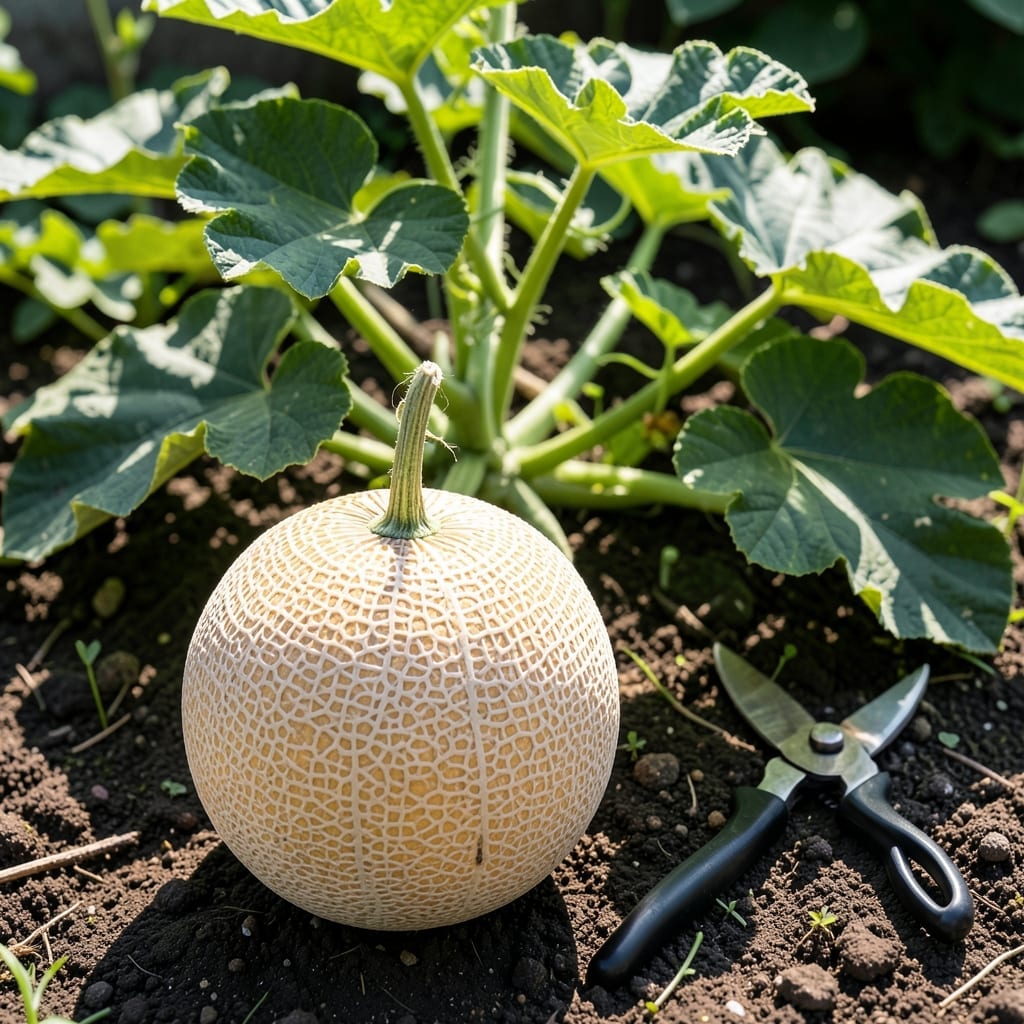
Nothing beats the sweet, juicy flavor of a perfectly ripe 🍈 Cantaloupe—unless you cut into one that’s rock-hard or overripe. It’s a real bummer when that happens.
I’ve been there, and that’s why I’m sharing the 3 foolproof signs to check for ripeness every time. These simple tricks will save you from disappointment.
Discover how to pick the best Cantaloupe and enjoy that burst of flavor with every bite. Let’s get started.


Picking a perfectly ripe cantaloupe is all about knowing the right signs. I always start by checking the stem end—this is where the magic happens for ripeness clues.
The color shift is another dead giveaway. A ripe cantaloupe transitions from green to beige under its netting, signaling it’s ready for harvest.
First, the stem slip test is my go-to method. When the stem detaches with just a little pressure, you know it’s ready. This happens because the abscission layer forms as the fruit ripens.
The rind color is equally telling. A green rind means it’s not ready, but when it turns beige or tan, the sugars have developed fully. This change is most visible under the netting.
Don’t underestimate the thump test. A ripe cantaloupe produces a deep, hollow sound when tapped. An unripe one sounds dull, while an overripe one may sound flat. It takes practice, but it’s worth mastering.
The aroma test is simple but effective. A ripe cantaloupe will have a sweet, musky scent at the blossom end. If there’s no smell, it’s not ready yet. This is especially useful when shopping at the store.
Another visual cue is the veins under the netting. When they turn from green to gold, the cantaloupe is at peak ripeness. This is a subtle but reliable indicator for home gardeners.
For the best results, combine 2-3 of these methods. I like to use the stem test and color check together. This way, I’m confident I’m picking a cantaloupe that’s perfectly ripe every time.
Timing is everything with cantaloupes. They don’t ripen after being picked, so getting it right in the garden or at the market is crucial. With these signs, you’ll never be disappointed again. ☀️
Even experienced gardeners can misjudge cantaloupe ripeness if they overlook key details. I’ve learned the hard way that some common practices can lead you astray when picking the perfect melon.
One major mistake is relying solely on the smell test. While a ripe cantaloupe does have a sweet aroma, some varieties are subtler, and an unripe melon might have no scent at all.
Ignoring the stem: A green stem means it’s not ready.
Pressing too hard: Can damage the fruit without revealing ripeness.
Skipping the color check: Green under the netting means it needs more time.
Another pitfall is ignoring the stem end. The stem should detach easily when the cantaloupe is ripe. If it doesn’t budge, the fruit isn’t ready, no matter how good it smells or looks.
Many people also press too hard when testing firmness. A gentle touch is all you need. Over-squeezing can bruise the fruit and won’t give you an accurate read on ripeness.
Don’t forget to check the veins under the netting. If they’re still green, the cantaloupe isn’t ripe, even if other signs seem promising. This is a detail many gardeners overlook.
Finally, avoid judging ripeness by size alone. A large cantaloupe isn’t necessarily ripe, and a smaller one might be perfectly ready. Focus on the signs, not the dimensions.
By steering clear of these mistakes, you’ll improve your chances of picking a perfectly ripe cantaloupe every time. It’s all about paying attention to the details. 🌱