
Beautiful Plants For Your Interior
Beautiful Plants For Your Interior
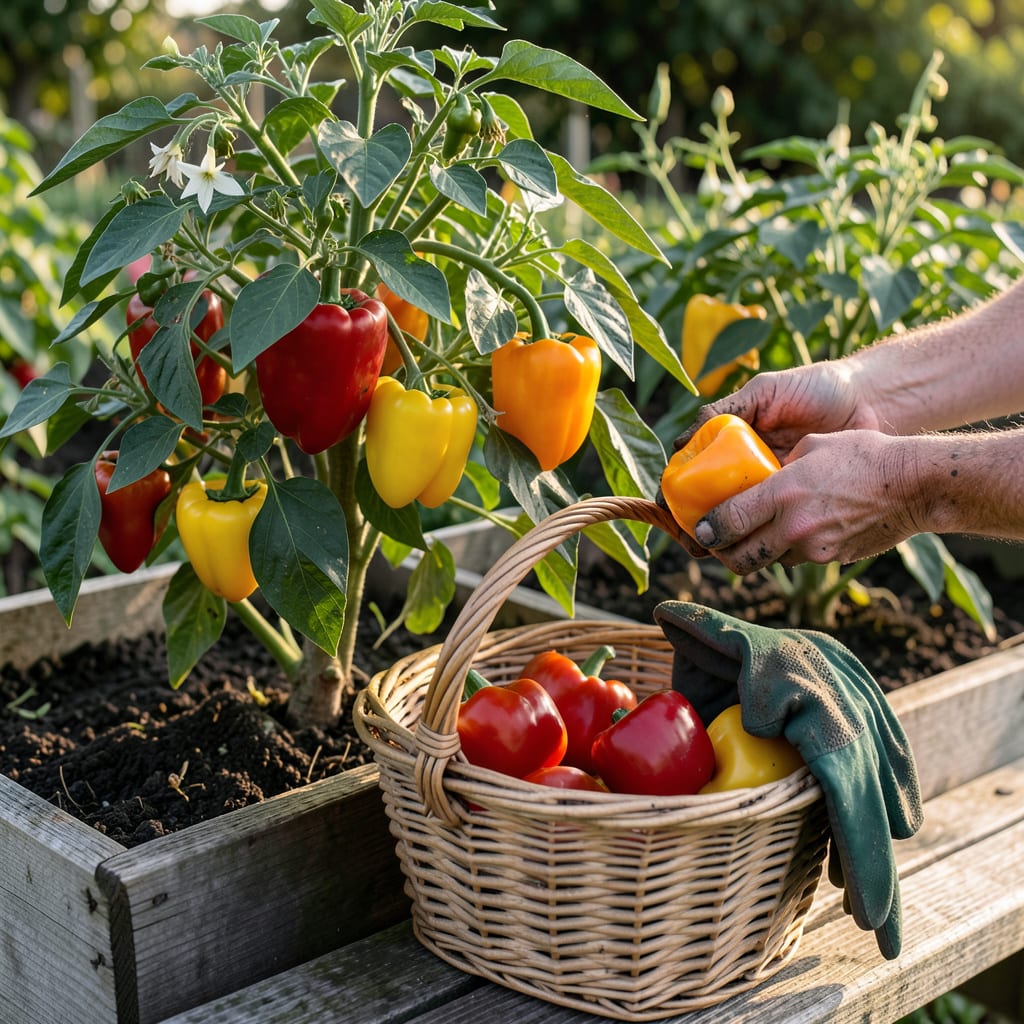
Nothing beats the satisfaction of plucking a perfectly ripe bell pepper from your garden—only to bite into something crisp, sweet, and bursting with flavor. But how do you know when that glossy green (or red, or yellow) beauty is truly ready?
I’ve wasted too many peppers by guessing wrong, and I bet you have too. The secret isn’t just color—it’s about two simple tests (the gloss and the give) that take the guesswork out entirely. Let’s break it down so you never harvest too soon—or too late—again.


If you’ve ever stood in your garden wondering when to harvest peppers, you’re not alone. I used to second-guess myself until I learned these two simple tests. The gloss test and give test take all the guesswork out of picking bell peppers at their peak.
Commercial peppers are often harvested early for shipping, but homegrown peppers develop superior flavor when left to mature fully. I’ll show you how to spot the perfect moment—whether you’re growing green, red, yellow, or orange varieties. Let’s start with the visual cues.
The gloss test is my favorite visual indicator. A ripe bell pepper should have a shiny, almost waxy surface. This glossiness develops as the pepper matures and its sugar content increases. If your pepper looks dull or matte, it needs more time on the plant.
Next comes the give test. Gently squeeze the pepper—it should feel firm but yield slightly to pressure, like a ripe avocado. If it’s rock hard, it’s not ready. If it feels soft or spongy, you’ve waited too long. I check my peppers every 2-3 days once they reach full size.
Remember that color isn’t everything. Many gardeners assume green peppers must turn red to be ripe, but that’s not true. Green peppers are simply harvested at an earlier stage of maturity. The ‘California Wonder’ variety, for example, is perfectly edible when green but sweetens as it turns red.
For colored varieties like red, yellow, or orange peppers, watch for uniform color development. A pepper with green streaks isn’t fully ripe. I’ve found that these colored varieties often take 7-10 extra days on the plant compared to their green stage to reach peak sweetness.
The stem can also tell you a lot. A ripe pepper will have a green, flexible stem that attaches firmly to the fruit. If the stem is drying out or turning brown, the pepper is past its prime. I always use clean pruning shears to harvest, leaving about 1/2 inch of stem attached.
Timing matters too. Most bell pepper varieties reach maturity in 60-90 days from transplanting. In my Zone 6 garden, I start checking for ripeness around day 70. Hotter climates may speed this up, while cooler areas might add a week or two to the timeline.
Here’s a pro tip: If you’re growing multiple colors, harvest green peppers first to encourage the plant to put energy into ripening the remaining fruit. I’ve noticed this can speed up the ripening of my red and yellow peppers by 3-5 days when I remove the green ones promptly.
Finally, trust your senses. A perfectly ripe pepper will feel heavy for its size, have a slight sweet aroma at the stem end, and snap cleanly from the plant with a gentle twist. If you’re still unsure, harvest one test pepper and taste it—your palate won’t lie about whether it’s ready! 🌱
If you’ve ever wondered why your homegrown bell peppers taste sweeter than store-bought, it’s all about timing. The color stage tells you more than just looks—it reveals flavor intensity and nutritional value. Green peppers, for example, are often picked early for shipping, but left on the plant, they’ll turn vibrant red, yellow, or orange with 2-3x more vitamin C.
Not all peppers follow the same rules. A ‘California Wonder’ might stay green at maturity, while a ‘Jupiter’ turns bright red. The key is knowing your variety’s final color and watching for that glossy sheen that signals peak ripeness. I’ll break down what each hue means—so you never harvest too soon or wait too long.
| Variety | Mature Color | Days to Maturity | Flavor Profile |
|---|---|---|---|
| California Wonder | Green (or red if left) | 60-70 days | Crisp, mild, slightly grassy |
| Jupiter | Red | 70-80 days | Sweet, fruity, low bitterness |
| Golden Bell | Yellow | 65-75 days | Mild, buttery, less acidic |
| Purple Beauty | Deep purple (turns green when cooked) | 70 days | Earthy, slightly tangy |
💡 Pro Tip: Red and yellow peppers are fully ripe and sweeter, while green peppers are harvested early. For maximum sweetness, wait until the color is uniform and vibrant.
Here’s where gardeners often go wrong: assuming all green peppers will turn red. Many varieties, like ‘Emerald Giant’, are bred to stay green at maturity. If you’re growing a color-changing variety (like ‘Carnival’ that goes from green to orange), track the days on plant—most take 75-90 days to reach their final hue.
For red, yellow, or orange peppers, watch for the “shoulder test”: the area near the stem should lose its green tint first. A fully ripe pepper will feel heavy for its size and have a slight give when squeezed—like a firm tomato. If it’s rock-hard, give it 2-3 more days of sun.
Specialty peppers like purple or chocolate types add drama to your garden but can be tricky. Their dark pigments often hide ripeness cues. I check for glossy skin and full size (usually 3-4 inches long). When in doubt, taste-test one! Overripe specialty peppers turn dull and soft, so harvest when they’re still vibrant.
Remember, heat speeds ripening, while cool temps slow it down. In my Zone 6 garden, a red bell pepper might ripen in 70 days during July’s heat but take 85 days in cooler September weather. Keep a garden journal to note these patterns year to year—your future self will thank you!
Once picked, peppers continue to ripen off the vine, but they won’t get sweeter. For the best flavor, I harvest in the morning when sugars are highest, using clean pruners to avoid tearing the plant. Store them unwashed in the fridge for up to 10 days, or freeze for longer storage.
Even the most attentive gardeners sometimes miss the perfect harvest window for bell peppers. When left too long on the plant, peppers transition from juicy and crisp to soft and seedy. Watch for these three red flags to avoid disappointment.
The first warning sign is soft spots or indentations when you press the pepper gently. Unlike the slight give of a ripe pepper, overripe ones feel mushy and may even collapse under light pressure. This texture change happens as cell walls break down.
💡 Quick Fix: Overripe peppers still work for seed saving or composting—just avoid eating mushy ones raw.
Another dead giveaway is wrinkled or shriveled skin. As peppers overripen, they lose moisture rapidly, causing the outer layer to pucker like a deflated balloon. This often happens faster in hot, dry climates where transpiration accelerates.
Finally, check for seed development. Overripe peppers often have swollen seeds that press against the inner walls, creating visible bumps. While these seeds are perfect for saving, the pepper’s flesh becomes bitter or mealy—far from the sweet crunch you want.
If you spot these signs, don’t toss the pepper! Use it for seed collection (lay seeds on paper to dry for next season) or chop it into compost. To prevent future mishaps, I check my plants every 2–3 days once peppers reach full color. That 3–5 day window is your sweet spot! 🌶️
Most green bell peppers take 2-3 weeks to ripen to red after reaching full size. The timeline depends on temperature—warmer weather speeds it up, while cooler climates may slow it down. If you want red peppers, be patient and leave them on the plant longer.
Green bell peppers are simply the immature stage of colored varieties. They’re fully edible but less sweet than red or yellow ones. If you prefer milder flavor or need to thin the plant, harvest green peppers once they’re firm and full-sized.
Small peppers often result from inconsistent watering, poor soil nutrients, or overcrowded plants. Ensure your peppers get 1-1.5 inches of water weekly and use a balanced fertilizer. Thin out excess fruit to let remaining peppers grow larger.
Always use clean pruners or scissors to avoid damaging the stem or plant. Twisting can break branches, especially with larger peppers. Cut the stem about ½ inch above the fruit for a clean harvest.
