
Beautiful Plants For Your Interior
Beautiful Plants For Your Interior
I lost an entire row of tulips to rabbits in one night last spring. Those floppy-eared bandits showed no mercy, and I realized I needed a foolproof strategy that didn’t involve harming them.
Here’s the thing—rabbits will munch anything tender and green, but they hate strong smells and prickly textures. Natural repellents work because they tap into what rabbits naturally avoid, without chemicals or cruelty.
You’ll see results within 48 hours with the right combination of barriers, companion plants, and homemade sprays. The garden stays lush, the flowers stay intact, and the bunnies move on to easier snacks.
Works for flower beds, borders, or containers. No traps, no poisons—just smart gardening.
Understanding why rabbits target your flowers is the first step in protecting them. These furry foragers aren’t just being mischievous—they’re driven by instinct, nutrition, and opportunity. Below are the key reasons behind this behavior.
Rabbits are herbivores with a strong instinct to graze. In the wild, their diet consists of grasses, weeds, and wildflowers. Domestic gardens mimic this environment, making your blooms an irresistible buffet. Their teeth grow continuously, so constant chewing is necessary to prevent overgrowth—your flowers just happen to be in the wrong place at the wrong time.
Flowers aren’t just pretty; many are packed with nutrients rabbits crave. Petals and leaves often contain high levels of fiber, vitamins, and minerals that supplement their diet. For example, marigolds and pansies are rich in vitamin C, while tulips provide easy-to-digest carbohydrates. If their natural food sources are scarce, rabbits will seek out these nutritional boosts in your garden.
Rabbits thrive in areas where food, shelter, and water are abundant—exactly what a well-tended garden offers. If your yard has tall grass, brush piles, or dense plantings, it’s likely a rabbit’s ideal home. Proximity to their habitat means your flowers are a convenient, low-effort meal. Urban and suburban gardens are especially vulnerable because they often lack natural predators to deter foraging.
During spring and early summer, rabbits are more active and hungry after winter’s limited food supply. New plant growth, including your flowers, becomes a prime target. Similarly, in drought conditions, when wild vegetation dries up, rabbits will venture closer to human spaces in search of fresh, succulent greens—your garden beds included.
If rabbits are turning your garden into a salad bar, these practical fixes will help you reclaim your flowers without harming the critters.
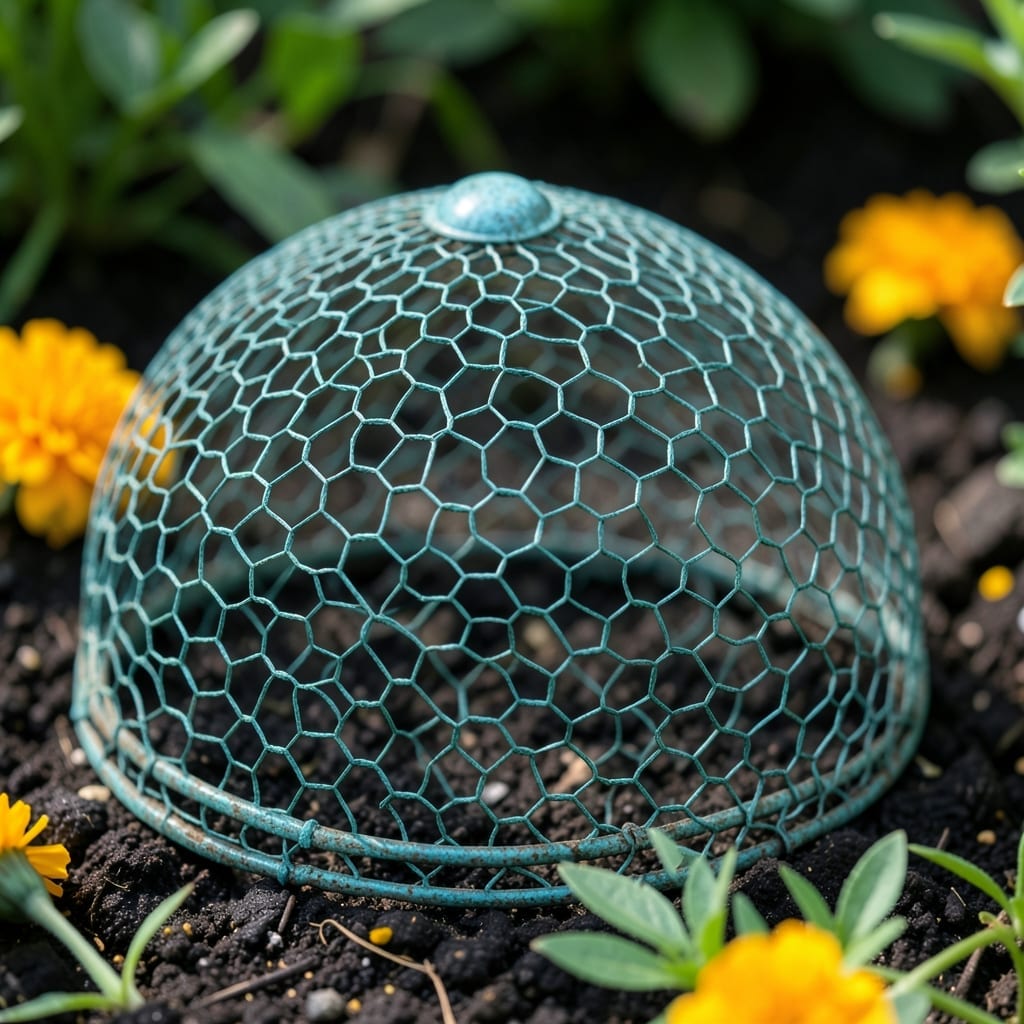
Install chicken wire fencing (1-inch mesh or smaller) around flower beds, burying it 6 inches deep to prevent digging. For smaller areas, use cloches or wire mesh cages to protect individual plants. Raise the fence at least 2 feet high to deter jumping.
Spray a homemade mix of water, crushed garlic, and hot peppers around plants—rabbits dislike the smell and taste. Commercial repellents with putrescent eggs or predator urine (like fox or coyote) also work. Reapply after rain for lasting effectiveness.
Surround flowers with rabbit-resistant plants like marigolds, lavender, or onions. Their strong scents repel rabbits naturally. Alternatively, interplant with thyme or oregano—edible for you, unappealing to bunnies.
Remove brush piles and tall grass where rabbits hide. Keep the lawn trimmed and fill gaps under sheds or decks to limit their access. A tidy yard discourages them from settling in.
Prevention Tip: 💡 Rotate repellents and barriers periodically—rabbits adapt quickly, so variety keeps them guessing!
Rabbits strongly dislike plants with strong scents or prickly textures. Marigolds, lavender, and onions are top choices. They also avoid herbs like thyme and oregano.
A fence needs to be at least 2 feet high to stop rabbits from jumping over. Bury the bottom 6 inches deep to prevent digging underneath.
Yes, natural repellents like garlic or pepper sprays lose effectiveness after rain. Reapply every 3-5 days or after heavy watering for best results.
In spring, new growth is tender and packed with nutrients rabbits crave. After winter scarcity, they’re more aggressive in foraging for fresh, easy meals.