
Beautiful Plants For Your Interior
Beautiful Plants For Your Interior
Those tiny green specks on your rosebuds aren’t dirt—they’re probably aphids. I’ve lost count of how many plants I’ve watched decline before realizing what was really happening. These pests are masters of disguise, blending into new growth while systematically weakening your plants from the inside out. Here’s the thing—aphids don’t just appear on struggling plants. […]
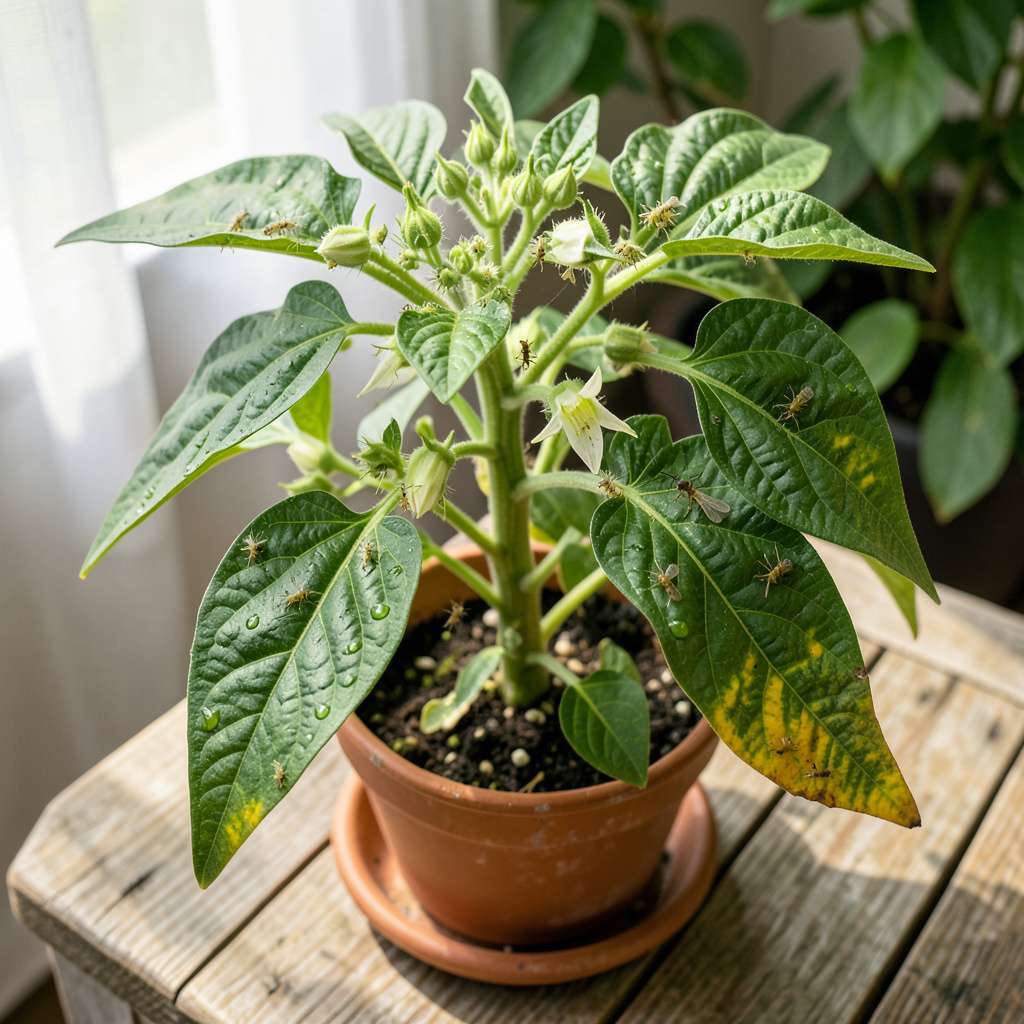
Those tiny green specks on your rosebuds aren’t dirt—they’re probably aphids. I’ve lost count of how many plants I’ve watched decline before realizing what was really happening. These pests are masters of disguise, blending into new growth while systematically weakening your plants from the inside out.
Here’s the thing—aphids don’t just appear on struggling plants. They target the healthiest specimens first, going straight for tender new shoots and flower buds. I learned this after watching my prize dahlias wither despite perfect watering and soil. The damage starts subtle: curled leaves, sticky residue, then suddenly entire stems covered in these soft-bodied invaders.
You’ll spot them clustered on undersides of leaves or along stems, often with ants nearby (they’re farming the aphids’ honeydew). Colors vary—green, black, pink, or even woolly white—but their pear-shaped bodies and twin tailpipes are dead giveaways. A hand lens makes identification foolproof, revealing details you’d otherwise miss.
Catching them early changes everything. What begins as a minor annoyance becomes a full-blown infestation in 7-10 days under ideal conditions. The plants recover faster when you intervene at first signs rather than after they’re completely coated in pests and their sticky secretions.
📚 In This Guide
Here’s how to spot these destructive pests before they take over your garden—no magnifying glass required.
Aphids always target the most tender parts of plants first. Start by inspecting new leaves, flower buds, and stem tips where sap concentration is highest. Flip leaves over—aphids cluster on undersides where they’re protected from predators and weather. Their soft bodies can’t withstand direct sun, so they hide in these sheltered microclimates.
Look for tiny, pear-shaped insects ranging from 1/16 to 1/8 inch long. Colors vary by species: green, black, yellow, pink, or even woolly white. Don’t confuse them with harmless springtails or soil mites—aphids have distinctive cornicles (tailpipes) protruding from their rear ends. These look like two small exhaust pipes and are unique to aphids.
Aphids excrete a sugary waste called honeydew that coats leaves and stems. Run your fingers along the plant surface—if it feels sticky or slightly tacky, that’s a red flag. This residue often attracts sooty mold, a black fungal growth that looks like someone sprinkled charcoal dust on your plants. The mold itself doesn’t kill plants but blocks sunlight from reaching leaves.
Examine the area beneath infested plants too. Honeydew drips downward, creating sticky spots on lower leaves, patio furniture, or even car windshields if plants overhang parking areas. Ants frequently farm aphids for this honeydew—if you see ants crawling up and down your plant stems, they’re likely tending an aphid colony above.
Aphids inject toxins while feeding that cause characteristic plant reactions. New leaves may emerge cupped, curled, or puckered instead of flat. This distortion happens because aphids disrupt normal cell growth patterns. On roses, you’ll often see tightly rolled leaves that never fully unfurl—a classic sign of rose aphid infestation.
Check for yellowing leaves or stunted growth in affected areas. Unlike nutrient deficiencies that affect older leaves first, aphid damage appears on new growth. Some plants develop galls or swollen areas at feeding sites—these look like small, abnormal growths on stems or leaf undersides. Wool aphids create particularly distinctive white, cottony masses on branches.
As aphids grow, they shed their exoskeletons, leaving behind tiny white or translucent “skins” on leaves and stems. These look like miniature rice grains or dandruff flakes. Run your thumb along suspect areas—if white specks come off easily but the plant itself isn’t powdery (which would indicate powdery mildew), you’ve likely found aphid castoffs.
Some species, particularly woolly aphids, produce white, waxy filaments that make them appear fuzzy. This isn’t mold but a protective coating the insects secrete. On fruit trees, look for clusters of what looks like cotton candy at branch junctions—this is the woolly aphid’s distinctive calling card. Don’t confuse this with mealybugs, which have a more segmented, cottony appearance and move much more slowly.
Aphid infestations create a buffet that attracts other predators. Watch for lady beetles, lacewings, or hoverfly larvae—their presence often indicates an aphid problem, as these beneficial insects feed exclusively on soft-bodied pests. You might see tiny, alligator-like lacewing larvae or lady beetle adults patrolling your plants.
Examine nearby plants too. Aphids don’t stay put—they’ll move to adjacent hosts as colonies grow. Check for winged aphids (called alates) on your plants; these are the dispersing forms that fly to new hosts when populations get crowded. Their presence means your infestation is mature and spreading. Yellow sticky traps placed near plants will catch these winged forms and confirm their presence.
Early detection makes all the difference when dealing with aphid infestations. Here’s what we’ve learned from years of garden observations.
Visual Inspection Technique: In Step 1, when examining new growth, use a white piece of paper beneath the leaves. The contrast makes tiny aphids (1/16 to 1/8 inch) stand out dramatically against the background. This simple trick reveals even the smallest green aphids that might blend in with foliage. I always keep index cards in my gardening apron for this purpose.
Honeydew Detection: For Step 2’s sticky residue check, try this professional trick: gently press a white cotton swab against suspect leaves. Honeydew will leave a clear, slightly tacky residue on the swab that’s easier to see than on plant surfaces. This method also helps distinguish aphid honeydew from other plant exudates.
Leaf Distortion Clues: The curled leaves mentioned in Step 3 often develop a leathery texture when severely infested. Run your fingers along the underside of suspect leaves—aphid-damaged foliage frequently feels slightly rough or bumpy compared to healthy leaves. This tactile difference is particularly noticeable on smooth-leaved plants like roses or hibiscus.
Secondary Signs: Step 5 mentions beneficial insects, but here’s what to watch for specifically: lacewing larvae leave distinctive curved, white fecal pellets near aphid colonies. Lady beetle adults often lay tiny yellow eggs in clusters near aphid hotspots. These signs confirm aphid presence even if you can’t spot the insects themselves.
Aphids multiply fast—a single female can produce 80 offspring in a week! In 2–3 weeks, heavy infestations can stunt growth, curl leaves, or spread viruses (like mosaic disease). Young plants are most vulnerable. Check undersides of leaves weekly to catch them early.
Inspect plants in early morning or late afternoon when aphids are less active (they hide from midday heat). Use a magnifying glass—these pests blend in! Overcast days are ideal; aphids cluster more visibly when it’s cool and damp.
A soapy water spray (1 tsp mild dish soap + 1 quart water) or neem oil (follow label rates) works well for light infestations. Avoid harsh chemicals if ladybugs or lacewings (natural predators) are present—they’ll help control aphids long-term!
Aphids return due to three sneaky reasons:
Repeat treatments weekly until gone.
Indoor plants aren’t safe! Aphids hitchhike on new plants, open windows, or even your clothing. Check houseplants monthly, especially if you’ve recently moved them outside. Yellow sticky traps near windows can help monitor for early signs.
Spotting aphids early is your first line of defense against these sneaky plant saboteurs! 🌱 By checking for sticky residue, curled leaves, or clusters of tiny bugs, you can act fast and protect your garden. Remember, healthy plants are less vulnerable—so keep your greens thriving with proper care.
Ready to take action? Start with a gentle spray of water to dislodge pests, or explore natural remedies like neem oil. For more tips on Pest Control Methods”>organic pest control, dive into our guide on aphid treatment methods—your plants will thank you! 🌿
