
Beautiful Plants For Your Interior
Beautiful Plants For Your Interior
That generator keeps the lights on, but it doesn’t have to dominate your backyard view. I’ve helped dozens of homeowners blend these necessary eyesores into their landscapes—turning functional equipment into what looks like intentional garden design. The key lies in working with what you’ve got: the generator’s size, your climate, and the existing plants that […]
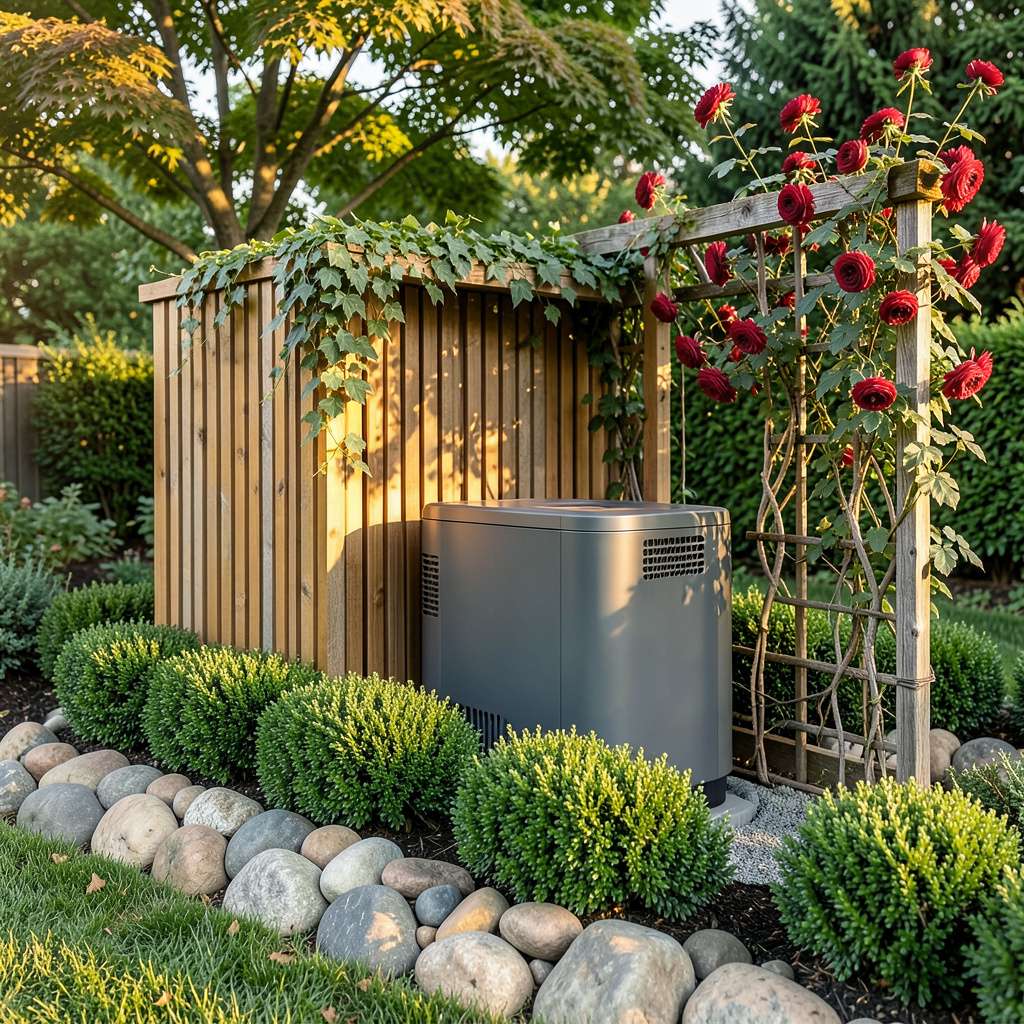
That generator keeps the lights on, but it doesn’t have to dominate your backyard view. I’ve helped dozens of homeowners blend these necessary eyesores into their landscapes—turning functional equipment into what looks like intentional garden design. The key lies in working with what you’ve got: the generator’s size, your climate, and the existing plants that already thrive in your space.
Tall ornamental grasses create instant vertical screening while swaying beautifully in the breeze. Evergreen shrubs like boxwood or holly add year-round coverage and structure. For faster results, I love using trellises with climbing vines—clematis or honeysuckle can cover a 6-foot frame in a single season. The generator disappears, but your garden gains depth and texture.
Here’s the thing—sound travels differently through plants than you might expect. Dense shrubbery absorbs noise better than sparse plantings, and layered heights disrupt sound waves more effectively. My current setup cuts generator noise by about 40% while looking like a deliberate garden feature, not a camouflage attempt.
Whether you’re working with a compact portable unit or a whole-house standby, these strategies scale. The best solutions make maintenance easy too—no plants that drop messy fruit or require constant pruning. Let’s design something that works as hard as your generator does, just more quietly.
📚 In This Guide
1-2 decorative screens (wooden lattice, vinyl, or metal—minimum 6 ft tall)
1 shovel (round-point for digging)
Generator measurements (length × width × height + 2 ft clearance)
Transforming a functional necessity into an attractive garden feature is simpler than you think—here’s how to do it right.
Before designing, verify your generator’s clearance requirements (typically 3-5 feet on all sides for ventilation and maintenance access). I always start by measuring the unit’s dimensions and marking the non-negotiable space with landscape flags. Note which sides have exhaust vents—these need unobstructed airflow to prevent overheating.
Evaluate the site’s microclimate: Does the area collect standing water after rain? Is it in full sun (which may require drought-tolerant plants) or partial shade? I’ve found that generators near property lines often create noise complaints, so prioritize dense planting on the neighbor-facing side. Check local codes—some municipalities require generators to be 25+ feet from windows.
Design in three vertical layers for maximum noise absorption. Start with evergreen shrubs 4-6 feet tall as your foundation—boxwood, holly, or arborvitae work well. Plant these in a staggered double row, spacing specimens 18-24 inches apart to form a living wall. The dense foliage disrupts sound waves while allowing airflow.
Add a middle layer of ornamental grasses like fountain grass or maiden grass, which sway to mask mechanical hums. Top with climbing vines on a simple trellis frame—clematis or honeysuckle add seasonal color while softening hard lines. I avoid fast-growing invasives like English ivy that could overwhelm the generator’s ventilation. Mulch heavily with 3-4 inches of shredded bark to suppress weeds and reduce maintenance.
Strategic hardscaping enhances both function and aesthetics. Install a permeable gravel base (at least 6 inches deep) beneath the generator to improve drainage and reduce mud splatter onto the unit. Use decorative boulders (12-18 inches diameter) to anchor plantings and create visual interest—their mass helps absorb low-frequency vibrations.
For a polished look, add a cedar slat screen with 50% openness on the most visible side. Space slats 2-3 inches apart to allow airflow while obscuring the unit. I’ve had success with pre-fabricated lattice panels painted to match the house trim—they install in an afternoon and provide instant camouflage while plants establish. Avoid solid fencing that could trap heat or restrict access.
The often-overlooked ground plane contributes significantly to sound dampening. Plant a 12-inch-wide border of low-growing, spreading plants like creeping thyme or sedum around the generator’s base. These living carpets absorb ground-level noise while tolerating the occasional foot traffic during maintenance. I’ve found they also prevent erosion better than mulch alone.
For larger installations, consider a raised berm (18-24 inches high) planted with deep-rooted natives. The earth mound itself blocks sound, while plants like switchgrass or coneflowers add texture. Shape the berm to direct water away from the generator—slope it gently (5% grade) toward a nearby drain or dry well. In frost-prone climates, use plants with USDA Zone 4+ hardiness to ensure year-round coverage.
Schedule quarterly pruning to keep plants from encroaching on ventilation areas. I use hand pruners for precision rather than electric trimmers that could accidentally damage the generator. Always check for nesting animals before maintenance—generators’ warmth attracts rodents that may chew wiring.
Inspect the planting bed after heavy rains—standing water indicates poor drainage that could corrode the generator’s base. Refresh mulch annually with 1-2 inches of new material to maintain weed suppression. For wood screens, reapply protective stain every 2-3 years to prevent rot. The key is balancing aesthetics with functionality: your landscaping should enhance, not hinder, the generator’s operation.
Creating a functional yet beautiful generator enclosure requires balancing practical needs with design considerations. Here’s what I’ve learned from years of landscaping around mechanical equipment.
Plant Selection Strategy: When choosing evergreen shrubs for your foundation layer, prioritize varieties with dense foliage year-round. I’ve found that 4-6 foot tall boxwood cultivars like ‘Green Velvet’ or ‘Winter Gem’ maintain their shape without frequent pruning, while still providing excellent noise reduction. The 18-24 inch spacing mentioned in Step 2 is crucial—closer planting creates a solid barrier faster, but leaves no room for growth. Consider your climate zone when selecting plants; in hotter regions, drought-tolerant options like Texas sage or oleander perform better than traditional boxwood.
Airflow and Maintenance Balance: The 3-5 foot clearance requirement in Step 1 isn’t just about ventilation—it’s your maintenance access zone. I always recommend installing removable plant markers to identify which shrubs can be temporarily relocated during service calls. For the cedar slat screen in Step 3, using pressure-treated lumber extends its lifespan significantly, especially in humid climates. The 2-3 inch slat spacing is perfect for airflow while still obscuring the unit—any narrower and you risk heat buildup.
Drainage and Erosion Control: The 6-inch gravel base in Step 3 does double duty—it improves drainage and prevents mud from splashing onto your generator during heavy rains. For the 12-inch-wide border of ground covers in Step 4, I’ve had excellent results with creeping thyme in sunny locations and ajuga in shadier spots. Both spread quickly to form a living mulch that suppresses weeds better than bark alone. When building the optional berm, remember that 5% grade is just enough slope to direct water away without creating erosion problems—use a level to check your work.
Long-Term Planning: The quarterly pruning schedule in Step 5 isn’t just about aesthetics—it’s critical for safety. I’ve seen too many cases where overgrown shrubs blocked ventilation, causing generators to overheat. Mark your calendar for seasonal maintenance: early spring (before new growth), mid-summer (to control shape), late fall (to remove dead wood), and winter (to check for storm damage). The 1-2 inches of fresh mulch annually might seem like overkill, but it decomposes faster near mechanical equipment due to the heat output.
Keep plants at least 3–5 feet away from the generator to ensure proper airflow and prevent fire hazards. Avoid dense foliage directly above or around the unit, and opt for heat-tolerant shrubs like boxwood or dwarf lilacs. Always follow the manufacturer’s clearance guidelines for your specific model.
Yes! Artificial hedges (like UV-resistant boxwood panels) or decorative fencing (vinyl, wood, or metal) are low-maintenance options. Just ensure the enclosure has ventilation gaps or a removable panel for access. Avoid fully sealing the generator—overheating is a major risk.
Spring or early fall is ideal—mild temperatures help plants establish roots before extreme heat or cold. If you’re adding hardscaping (like a stone border), do it before planting to avoid disturbing roots later. Avoid winter installations in freezing climates.
Dense, evergreen shrubs (e.g., arborvitae, holly, or bamboo) absorb sound best. Combine them with thick mulch or a berm (mounded soil) for extra noise dampening. For fast results, layer plants of varying heights to block line-of-sight noise transmission.
Trim back foliage immediately and check for blocked vents. Ensure 18+ inches of clearance on all sides with heat-resistant materials (gravel, pavers). If the issue persists, install a vented generator enclosure or consult a pro to relocate the unit for better airflow.
Hiding a generator with landscaping is all about blending function with beauty—strategic plant placement, clever structures, and smart noise reduction can turn an eyesore into a seamless part of your yard. Whether you opt for tall shrubs, decorative screens, or a cozy garden nook, the key is balancing accessibility with aesthetics. 🌿
Now that you’ve got the inspiration, grab your sketchbook and map out your design! Start small with a single element—like a trellis or evergreen hedge—and build from there. Your generator (and your neighbors) will thank you!
