
Beautiful Plants For Your Interior
Beautiful Plants For Your Interior
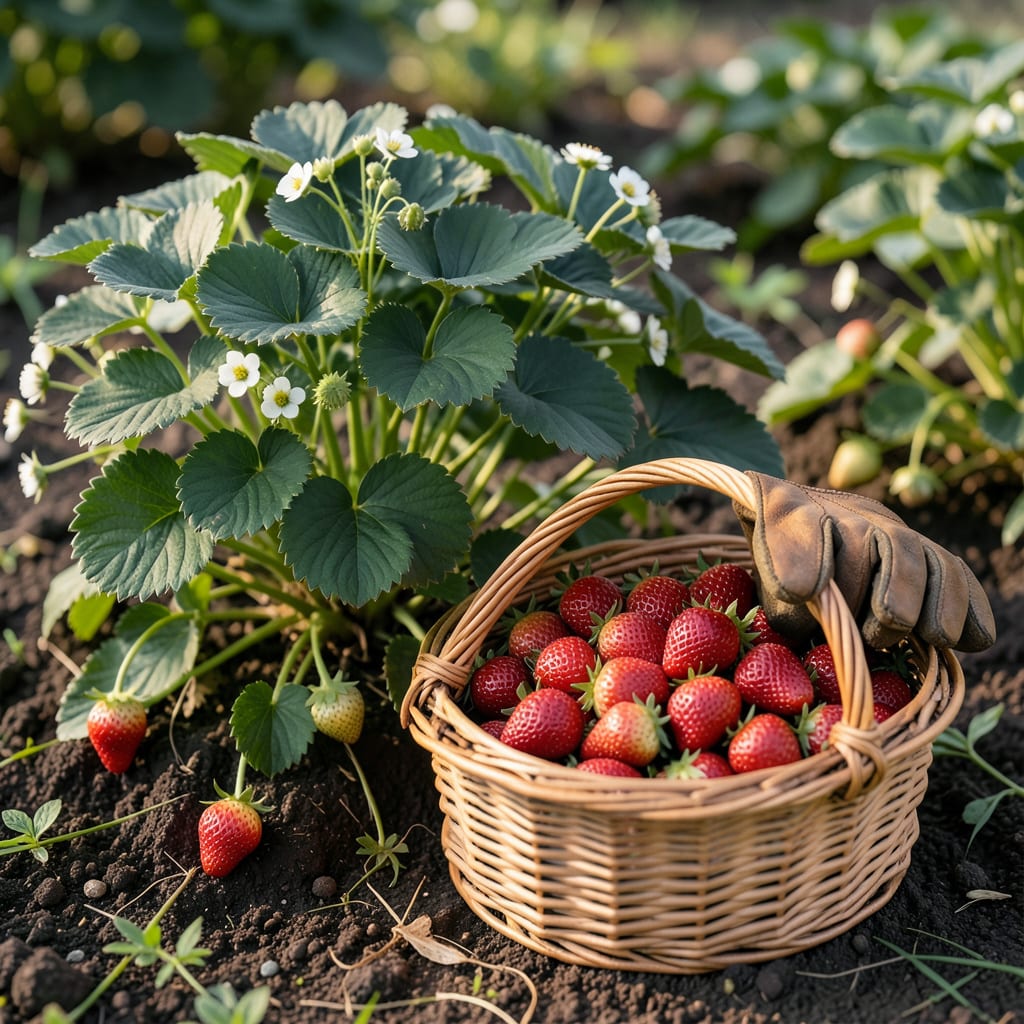
There’s nothing quite like the taste of a ripe 🍓 Strawberry picked fresh from your garden. But knowing when and how to harvest can make all the difference in flavor and quality.
I’ll show you the key signs to look for and the best techniques to ensure you get the sweetest berries every time. Let’s make this season your most bountiful yet.


Harvesting strawberries at the perfect moment ensures the best flavor and texture. I always look for berries that are uniformly deep red with no green or white patches left. This is the first sign they’re ready for picking.
Another key indicator is the slight give when gently pressed. If the berry feels firm, it’s not quite ripe yet. A strong sweet aroma is also a great sign that your strawberries are at their peak.
I always use the pinch method to harvest. Gently hold the stem between your thumb and forefinger, then pinch just above the berry. This prevents damage to both the fruit and the plant.
For June-bearing varieties, you’ll typically harvest all at once over a 2-3 week period. Everbearing and day-neutral types produce multiple smaller harvests throughout the season.
I recommend harvesting in the cool morning hours. The berries will be firmer and keep better. Plus, you’ll avoid the heat of midday, making the task more pleasant.
Always check your plants every 2-3 days during peak season. Strawberries can go from perfectly ripe to overripe very quickly, especially in warm weather.
If you notice birds eyeing your berries, consider using bird netting. I’ve found this to be the most effective way to protect my harvest without harming wildlife.
After harvesting, handle berries gently to avoid bruising. I like to place them in a shallow container rather than piling them up. This prevents crushing and maintains quality.
With these techniques, you’ll enjoy sweeter, more flavorful strawberries all season long. Happy picking! 🌿
The best time to harvest strawberries is in the early morning when temperatures are cool. This keeps berries firm and prevents them from becoming too soft in the heat of the day.
I always check the weather forecast before heading out. Avoid picking when berries are wet from rain or dew, as this can lead to mold growth during storage.
| Factor | Recommendation |
|---|---|
| Time of Day | Early morning (before 10 AM) |
| Weather | Dry conditions |
| Tool | Sharp scissors or pinch method |
| Container | Shallow basket or tray |
For tools, I recommend using sharp scissors or the pinch method with your fingers. Scissors work well for thick stems, while the pinch method is perfect for delicate berries.
A shallow container is essential to prevent crushing. I use a strawberry basket with ventilation holes to keep berries fresh during collection.
If you’re harvesting a large patch, consider wearing knee pads or using a stool. This makes the process more comfortable and helps you reach berries at the back of the bed.
Even experienced gardeners can make simple mistakes when harvesting strawberries. I’ve learned that picking too early is one of the most common errors, leading to tart, underripe berries that lack sweetness.
Another frequent issue is using the wrong technique. Pulling berries directly from the plant can damage both the fruit and the delicate roots, reducing future yields.
⚠️ Warning: Avoid these common harvesting mistakes to protect your plants and ensure the best quality berries.
I’ve found that using dull scissors or shears can crush the stems, making the berries more prone to spoilage. Always keep your tools sharp and clean for the best results.
Harvesting during or after rainfall is another mistake to avoid. Wet berries are more susceptible to mold and rot, and they don’t store as well as dry ones.
Finally, many gardeners overfill their containers, leading to crushed berries at the bottom. I use multiple shallow containers to keep my harvest in perfect condition.
By avoiding these pitfalls, you’ll enjoy higher quality strawberries and healthier plants for seasons to come. 🌱
Check every 2-3 days during peak season. Strawberries ripen quickly, especially in warm weather, so frequent checks prevent overripening.
Use a shallow basket or tray to avoid crushing. Ventilated containers keep berries fresh longer.
Wet berries are prone to mold growth during storage. Always harvest in dry conditions for better shelf life.
Yes, but ensure they’re sharp to avoid crushing stems. The pinch method works well for delicate berries too.
