
Beautiful Plants For Your Interior
Beautiful Plants For Your Interior
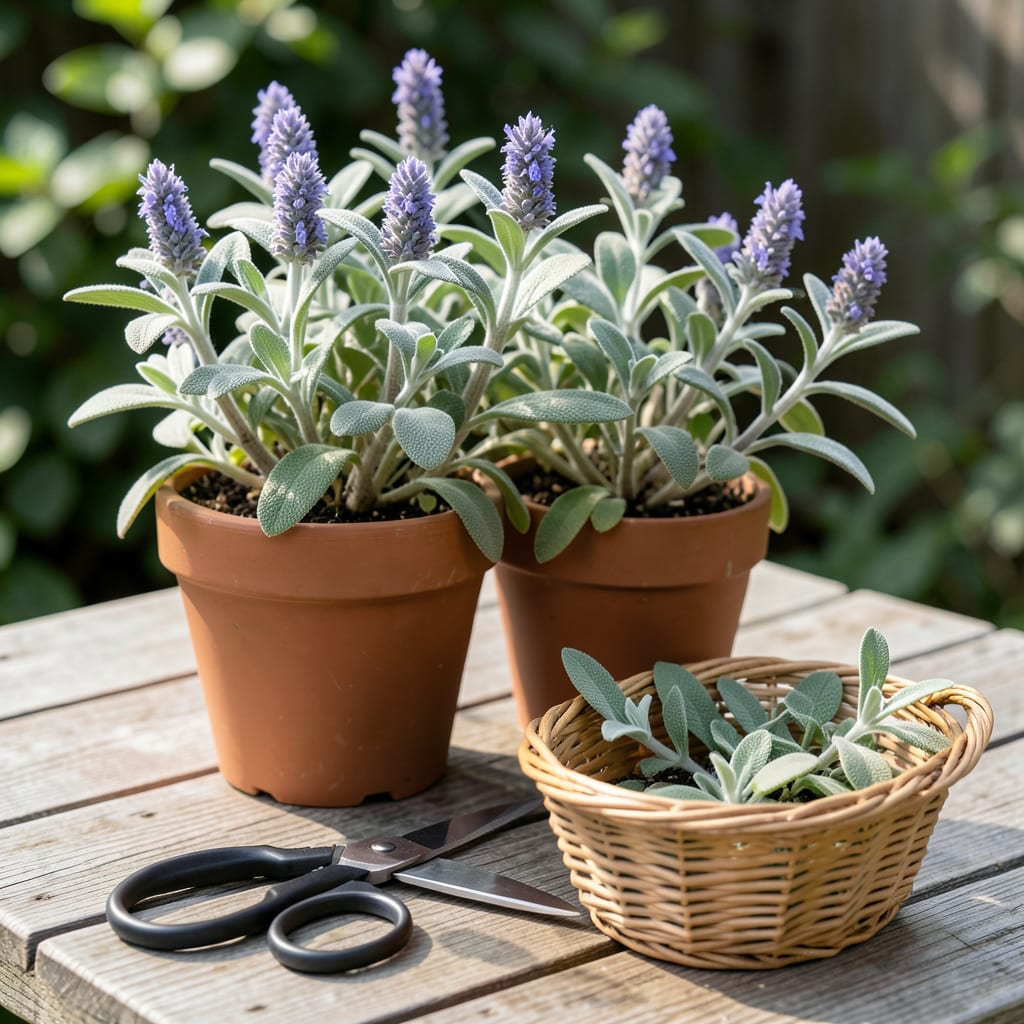
There’s nothing quite like the aroma of fresh 🌿 Sage leaves in your kitchen, but knowing when and how to pick them makes all the difference. Picking at the right time ensures the best flavor and keeps your plant thriving.
I’ll guide you through the best techniques to harvest Sage without harming it. Whether you’re a seasoned gardener or just starting, these tips will help you get it right every time.


Timing is everything when it comes to harvesting sage leaves. I’ve found that picking them at the right stage ensures the best aroma and flavor for all your gardening needs. Sage thrives in USDA zones 5-8, so adjust accordingly.
The ideal window is June to August, when the plant is mature and the leaves are fully developed. Early morning, after the dew has dried, is the perfect time of day to harvest for peak freshness.
| Stage | Details |
| Plant Maturity | At least 6 inches tall |
| Leaf Condition | Deep green and aromatic |
| Stem Signs | Woody base and firm |
| Best Time | Morning after dew dries |
If your sage plant is less than 6 inches tall, it’s not ready. The leaves should be deep green and fragrant, not pale or small. This ensures you’re getting the most out of your harvest.
The stems are another great indicator. When they’re firm and woody at the base, your sage is ready. Soft, green stems mean the plant needs more time to mature and develop its full flavor profile.
I always check for flower buds too. If they appear, you can remove them to encourage more leaf growth. This keeps your plant focused on producing those flavorful leaves we love.
Harvesting in the early morning is key. The essential oils are most concentrated then, giving you the strongest aroma. Just make sure the dew has dried to avoid mold or other issues.
For the best results, aim to harvest every 6-8 weeks during the growing season. This regular pruning encourages bushier growth and ensures a steady supply of fresh leaves.
Remember, sage is drought-tolerant once established, so don’t overwater. Stick to a weekly deep soak in the summer and reduce it to bi-weekly in the fall for optimal health.
With these tips, you’ll always know the perfect time to harvest your sage leaves for the best flavor and a thriving plant 🌿
Harvesting sage leaves the right way keeps your plant healthy and thriving. I always use sharp pruning shears or clean scissors to avoid tearing the stems, which can invite disease and slow regrowth.
Never remove more than one-third of the plant at once. This ensures your sage continues growing vigorously and produces more leaves for future harvests.
Select woody stems with abundant leaves. Avoid young, green stems as they’re still developing.
Use clean shears to snip stems 1/4 inch above a leaf node to encourage new growth.
Take small amounts regularly to keep the plant bushy and productive throughout the season.
For the healthiest plants, I rotate harvest locations. This prevents over-stressing one area and promotes even growth across the entire plant.
After harvesting, inspect the plant for any signs of pests or damage. Removing damaged leaves immediately helps prevent the spread of issues to the rest of your sage.
Remember, regular harvesting actually benefits your sage by stimulating new growth. With these methods, you’ll have a lush, productive plant all season long ✂️
Once you’ve harvested your sage leaves, proper storage is key to preserving their aroma and flavor. I’ve found that different methods work best depending on how you plan to use them later. Fresh leaves can last a few days, but drying extends their shelf life significantly.
For short-term use, store fresh sage in the refrigerator wrapped in a damp paper towel inside a sealed container. This keeps them fresh for 5-7 days without losing much flavor.
For long-term storage, drying sage is my go-to method. Bundle stems together and hang them upside down in a dark, dry place for about 1-2 weeks. Once dry, remove the leaves and store them in an airtight container.
Freezing is another great option if you need to preserve sage quickly. Simply chop the leaves, spread them on a tray to freeze, then transfer to a freezer bag. This method retains more flavor than drying but may alter the texture slightly.
No matter which method you choose, always label your containers with the date. Dried sage can last up to 6 months, while frozen sage stays fresh for about 4-6 months. Proper storage ensures you’ll have flavorful sage year-round 🌿
Harvest every 6-8 weeks during growing season. Never remove more than one-third of the plant at once to maintain health.
Early morning after dew dries is ideal. This is when essential oils are most concentrated, giving you the strongest aroma and flavor.
Wait until your plant is at least 6 inches tall with woody stems. Harvesting too early can stunt growth and reduce future yields.
Use clean shears to snip 1/4 inch above a leaf node. This encourages new growth and keeps your plant bushy.
