
Beautiful Plants For Your Interior
Beautiful Plants For Your Interior
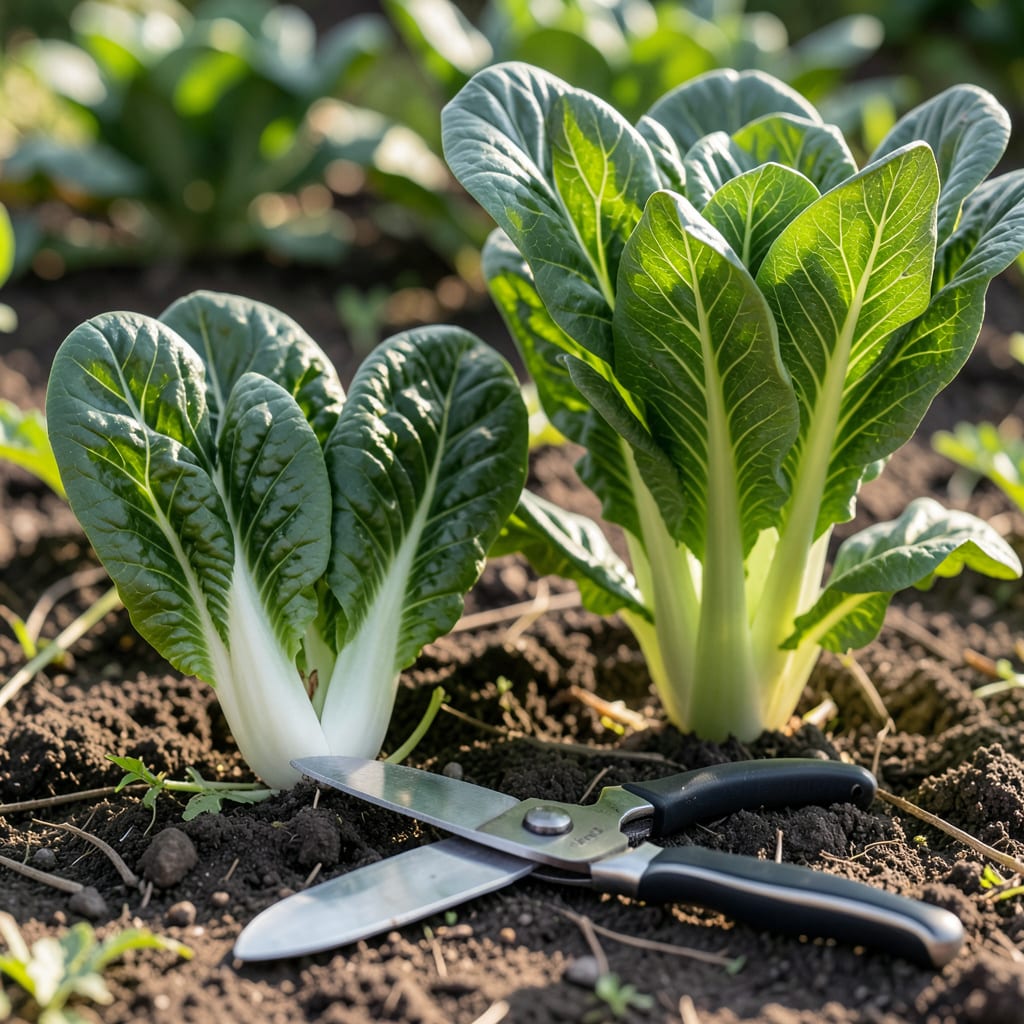
Want to enjoy fresh Romaine Lettuce all season long? I discovered a simple method that lets you harvest leaves while encouraging new growth for a continuous supply.
With the right technique, you can keep your plants thriving for multiple harvests. Let me show you exactly how to make it happen with this easier approach.


Mastering the cut-and-come-again method is the key to enjoying fresh romaine lettuce throughout the growing season. This technique allows you to harvest outer leaves while leaving the growing center intact for regrowth.
Timing your harvest correctly is crucial. I always aim for early morning when the leaves are crisp and full of moisture, which helps the plant recover faster. ✂️
Using the right tools makes a big difference. I recommend sharp garden scissors or pruning shears for clean cuts that heal quickly. Dull tools can crush stems, making the plant more susceptible to disease.
The 1/3 rule is my golden standard. Never remove more than one-third of the plant at once. This ensures your romaine lettuce retains enough leaves to produce energy for regrowth.
After harvesting, I always give my plants a deep watering at the base. This helps them recover from the stress and promotes new leaf development. Avoid wetting the leaves to prevent fungal issues. 💧
For best results, harvest in the cool part of the day. Early morning is ideal because the leaves are most turgid. If you must harvest later, aim for late afternoon when temperatures start to drop.
Consistent care after harvesting is essential. I maintain a regular watering schedule and add a light fertilizer every 4-6 weeks to support continuous growth. This keeps my plants productive for multiple harvests.
Watch for signs of stress, like yellowing leaves or stunted growth. These can indicate over-harvesting or poor post-harvest care. Adjust your approach if you notice these issues.
With this method, I’ve successfully harvested from the same romaine lettuce plants for 6-8 weeks. It’s incredibly rewarding to see new leaves sprouting just days after harvesting. 🌱
After harvesting your romaine lettuce, proper post-care is essential for continuous growth. I focus on maintaining optimal conditions to help the plant recover quickly and produce new leaves.
First, ensure your plants receive consistent moisture. I water deeply at the base every 5-7 days, keeping the soil evenly moist but not soggy. This supports root health and new leaf development. 💧
A light fertilizer application after harvesting gives your romaine lettuce the boost it needs. I use a balanced 5-10-10 every 4-6 weeks, which supports leaf production without overwhelming the plant.
Pest control is crucial during regrowth. I check daily for aphids or slugs, which love tender new leaves. A neem oil spray works well for organic control without harming the plant.
Mulching helps maintain consistent soil conditions. I apply a 1-2 inch layer of organic mulch around the base to retain moisture and suppress weeds that compete for nutrients.
Watch for signs of bolting in warm weather. If your plants start sending up flower stalks, the leaves will turn bitter. Providing afternoon shade can delay this process and extend your harvest window. ☀️
With these practices, I consistently get 3-4 additional harvests from each plant. The key is being patient and consistent with care. It’s amazing how quickly new leaves appear when conditions are right. 🌱
Even with the best intentions, it’s easy to make mistakes that can stunt your romaine lettuce growth. I’ve learned the hard way that improper harvesting can end your season prematurely. 🌱
One of the most common errors is cutting too low on the stem. This can damage the growing center and prevent regrowth. Always leave at least 1-2 inches of stem above the soil.
Cutting too low damages the growing center and stops regrowth.
Over-harvesting removes too many leaves, starving the plant of energy.
Harvesting at midday causes wilting and stress to the plant.
Using dull tools creates jagged cuts that invite disease.
Neglecting post-harvest care leaves plants vulnerable to pests and drought.
Another critical mistake is over-harvesting. Taking more than 1/3 of the leaves at once can shock the plant. I stick to the outer leaves only and leave the center intact.
Timing matters more than you think. Harvesting during the hottest part of the day can cause wilting. I always aim for early morning when the leaves are most crisp and hydrated. ☀️
Dull tools are a hidden danger. They crush stems instead of cutting cleanly, making the plant more susceptible to disease. I always use sharp scissors or pruning shears for a clean cut.
Finally, don’t forget post-harvest care. After cutting, your plant needs water and protection to recover. I water immediately and check for pests that might take advantage of a weakened plant. ✂️
You can harvest every 7-10 days if conditions are ideal. This gives the plant time to recover and produce new leaves between harvests.
Early morning is ideal when leaves are crisp and hydrated. Avoid harvesting during the hottest part of the day to prevent wilting.
No, always start with outer leaves first. Harvesting inner leaves damages the growing center and prevents regrowth.
Never remove more than 1/3 of the plant at once. If leaves look stunted or yellow, you may be over-harvesting.
