
Beautiful Plants For Your Interior
Beautiful Plants For Your Interior
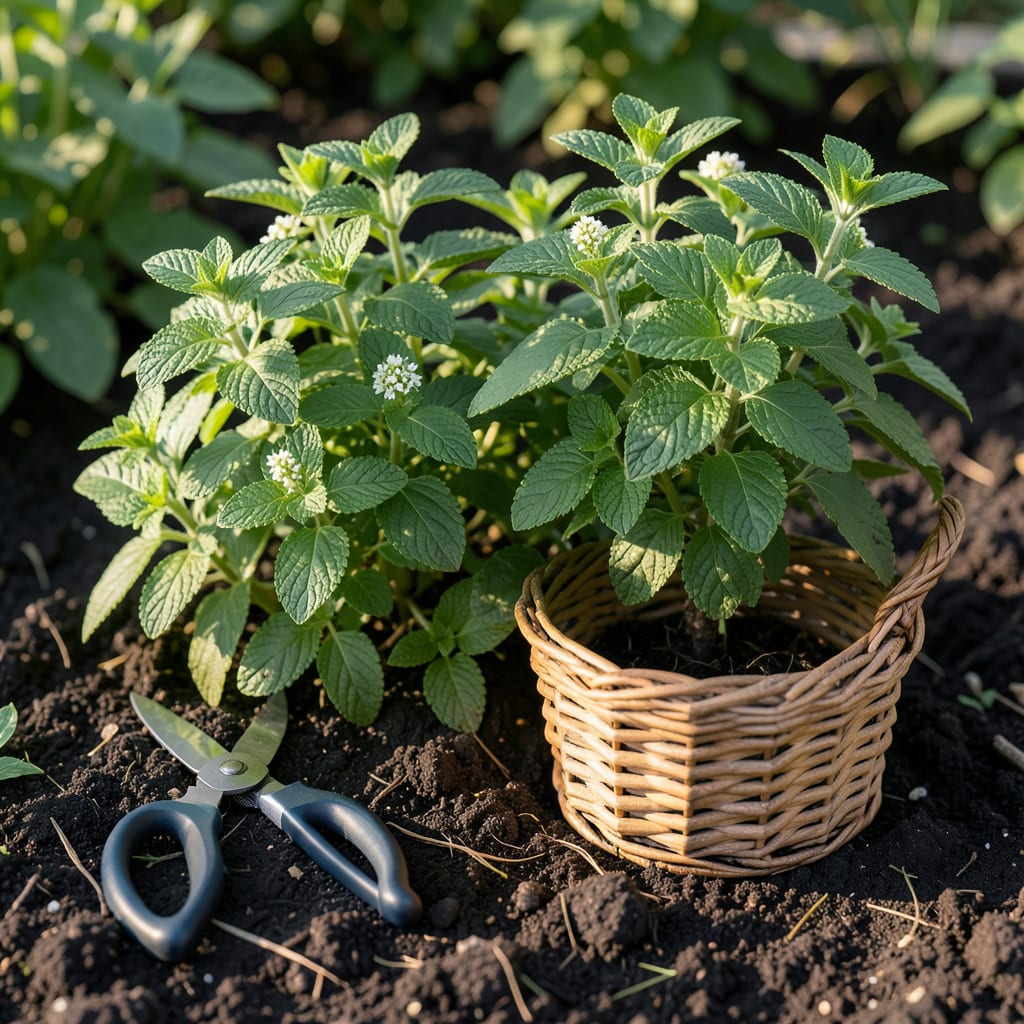
Nothing beats the fresh aroma of homegrown 🌿 Peppermint in your tea or recipes. But picking it at the wrong time can leave you with weak flavor and sad plants.
Discover the simple tricks to harvest Peppermint at its peak, ensuring maximum taste and healthy growth. I’ll show you the exact signs to look for.


Timing is everything when harvesting peppermint for the best flavor and aroma. I’ve found that picking at the wrong stage can leave your leaves tasting weak and your plant struggling to recover.
The ideal window is during summer to early fall, when the plant is 1-2 feet tall with vibrant green leaves. This is when the essential oils are most concentrated.☀️
| Harvest Stage | Signs of Readiness |
| Early Summer | Stems sturdy, leaves deeply fragrant |
| Peak Season | Flower buds form, maximum oil content |
| Late Season | Leaves still green, harvest before frost |
I always check for strong minty aroma by gently crushing a leaf between my fingers. If the scent is weak, the plant isn’t ready yet. Morning harvesting after the dew dries yields the most potent flavor.
Another key indicator is flower bud formation. Once you see these tiny buds, it’s a sign the plant has reached its peak oil production. But don’t wait until full bloom, as the flavor starts to decline then.
Avoid harvesting if your peppermint is less than 1 foot tall or has pale leaves. These are signs the plant is still maturing and won’t provide the best quality leaves.
The time of day matters too. I’ve noticed that picking in the early morning after the dew evaporates gives the most flavorful leaves. The heat of midday can cause some of the essential oils to dissipate.
Weather plays a role as well. Sunny days produce the highest oil content, while rainy periods can dilute the flavor. If you’ve had a lot of rain, wait a day or two after the weather clears before harvesting.
For the best results, I harvest my peppermint in June or July. This is when the plant is at its most vigorous and the leaves are packed with flavor. If you live in a warmer climate, you might get a second harvest in early fall.
Remember that regular harvesting actually encourages bushier growth. By removing the top leaves, you’re signaling the plant to produce more foliage, leading to a more abundant harvest throughout the season.🌿
Harvesting peppermint properly keeps your plant healthy and productive. I always use sharp scissors or pruning shears to make clean cuts, which prevents tearing the stems and reduces disease risk.
The best approach is stem harvesting rather than picking individual leaves. Cut just above a leaf node about 1/3 down the stem to encourage bushier regrowth. This method gives you more leaves while keeping the plant robust.☀️
Choose healthy stems with plenty of leaves
Cut 1/3 down the stem above a leaf node
Harvest in morning after dew evaporates
Avoid harvesting more than 1/3 of plant at once
For leaf-only harvesting, gently pinch off leaves from the top down. This works well for small amounts but can be time-consuming for larger harvests. I prefer stem cutting for efficiency and better plant recovery.
Never harvest wet plants as this can spread disease. Also, avoid cutting too close to the base which can weaken the plant. I’ve learned that leaving at least 2-3 sets of leaves on each stem ensures continued growth.
If you’re harvesting for drying, cut longer stems (about 6-8 inches). For immediate use, shorter stems or individual leaves work fine. Always use clean tools to prevent introducing bacteria to your plants.
After harvesting, I give my peppermint a light watering to help it recover. This is especially important during hot weather when the plant is more stressed.🌿
Proper drying preserves your peppermint’s flavor and aroma for months. I’ve found that air-drying is the simplest method, requiring just a dark, well-ventilated space and a bit of patience.
For quick results, I use a food dehydrator at 95°F for 4-6 hours. This method locks in the essential oils beautifully. Oven drying works too at the lowest setting with the door slightly open.☀️
Bundle stems in small groups
Hang upside down in dark place
Store in airtight container when crisp
Once completely dry, remove the leaves from stems and store them in an airtight container. I prefer glass jars to keep moisture out and flavor in.
For maximum freshness, keep your dried peppermint in a cool, dark place. Properly stored, it will maintain its flavor for 6-12 months. I label my jars with the harvest date to track freshness.
If you notice any mold or moisture during storage, discard that batch immediately. This usually means the leaves weren’t completely dry before storing.🌿
Early morning after dew evaporates is ideal. The essential oils are most concentrated then, giving you the strongest flavor. Avoid harvesting wet plants to prevent disease.
Never remove more than 1/3 of the plant at a time. This prevents stress and allows for healthy regrowth. Leave at least 2-3 sets of leaves on each stem.
Yes, but stem harvesting is more efficient. Pinch leaves from the top down for small amounts. For larger harvests, cut stems 1/3 down above a leaf node.
Look for vibrant green leaves, sturdy stems, and forming flower buds. Crush a leaf—if the minty aroma is strong, it’s ready. Avoid pale or yellowish leaves.
