
Beautiful Plants For Your Interior
Beautiful Plants For Your Interior
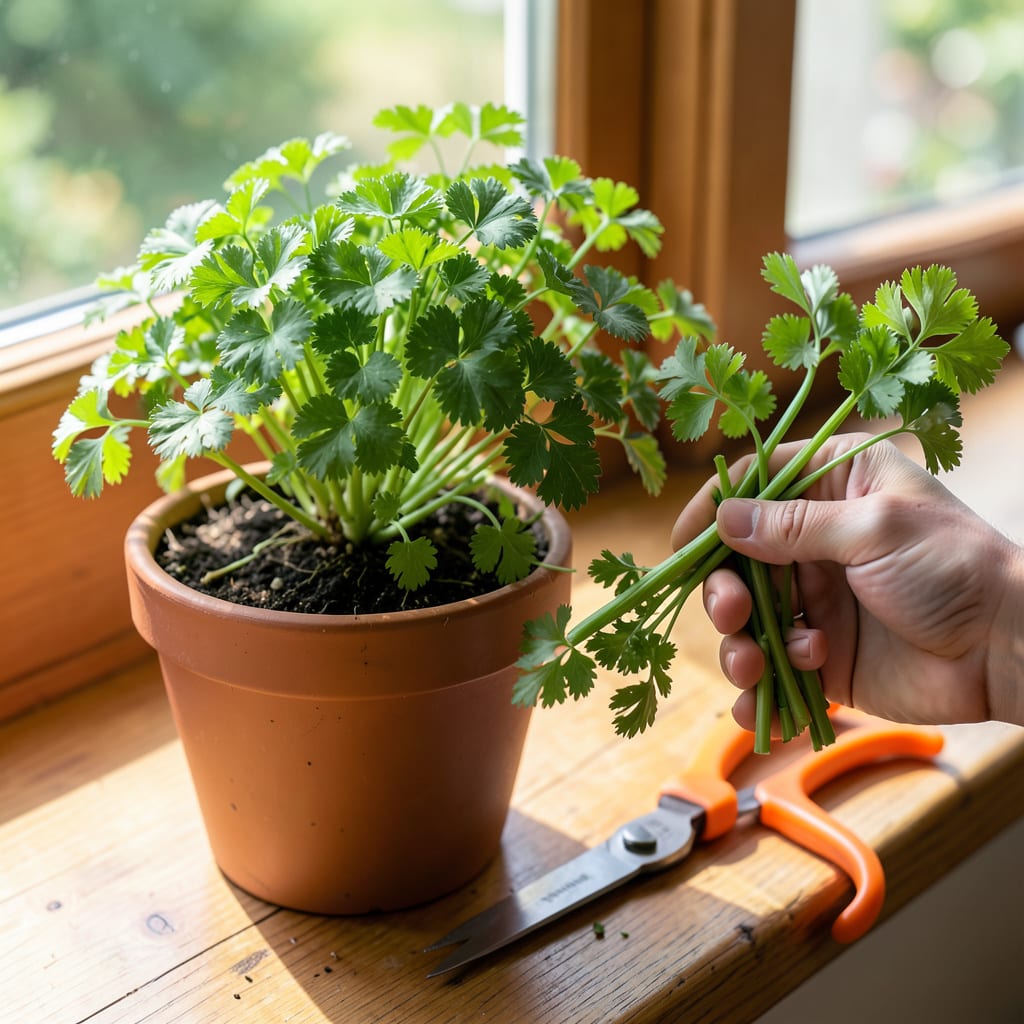
I used to kill my parsley every time I tried harvesting it – until I learned the simple secret to keeping it alive and thriving. The 🌿 Parsley in my garden now lasts all season.
Discover how to snip just the right stems so your plant keeps producing fresh leaves. With this method, you’ll never run out of parsley again.


I’ve learned that harvesting parsley correctly is all about precision and patience. The key is to never remove more than one-third of the plant at once, which keeps it healthy and productive.
Parsley grows from a central crown, so cutting the outer stems first allows the inner growth to continue developing. This method ensures a continuous supply of fresh leaves throughout the growing season.
I always start by examining my parsley plant for the most mature outer stems. These are the ones ready for harvest, while the inner leaves should be left to grow and replace what’s been taken.
Using clean, sharp scissors is crucial to avoid damaging the plant. I
When cutting, I focus on making clean, precise snips at the base of the stem. This technique helps the plant recover quickly and encourages new growth from the bottom up.
I’ve found that morning harvesting yields the best results. The leaves are most flavorful and the plant is most hydrated after a cool night, making recovery easier.
To maintain a healthy parsley plant, I harvest in small batches rather than all at once. This approach ensures I always have fresh parsley while keeping the plant vigorous.
After harvesting, I make it a point to water the plant lightly. This helps reduce stress and supports new growth development.
By following these steps, my parsley plants stay productive and healthy throughout the entire growing season, providing a steady supply of fresh leaves for all my gardening needs 🌿
I’ve seen many gardeners unknowingly damage their parsley by making simple harvesting mistakes. The most common error is taking too much at once, which stresses the plant and stunts regrowth.
Another frequent issue is cutting the wrong stems. Many people trim the inner growth first, which can kill the plant’s ability to produce new leaves.
I learned the hard way that dirty tools can introduce diseases to your parsley. Always sterilize your scissors with rubbing alcohol before and after use.
Timing matters too – I never harvest my parsley during the hottest part of the day. The cool morning hours are ideal for both plant health and leaf flavor.
Another mistake I see is harvesting when wet. Wet leaves can spread disease and make clean cuts difficult. Always wait for dry conditions before snipping.
By avoiding these common pitfalls, my parsley plants stay healthy and productive all season long. It’s amazing how such small changes can make a big difference in your garden’s success ✂️
Timing your parsley harvest can make a huge difference in both flavor and plant health. I’ve found that early morning is ideal because the leaves contain the highest concentration of essential oils after a cool night.
The plant’s maturity also matters. Wait until your parsley has at least 10-12 mature leaves and the outer stems are 6-8 inches long. This ensures the plant is strong enough to recover after harvesting.
I avoid harvesting during the hottest part of the day. The stress of heat combined with cutting can shock the plant and slow down regrowth. Stick to cooler hours for best results.
Seasonal timing is crucial too. In spring and fall, parsley grows vigorously, making these the best seasons for regular harvesting. During summer heat, I reduce my harvest frequency to avoid stressing the plant.
✂️
Yes, but reduce frequency during extreme heat. Harvest in early morning and avoid taking more than one-third of the plant to prevent stress.
This usually means over-harvesting or poor recovery. Ensure you’re cutting outer stems only and leaving inner growth intact. Water lightly after harvesting to aid recovery.
Every 2-3 weeks is ideal for mature plants. Always wait until new growth reaches 6-8 inches before harvesting again to maintain plant health.
Use sharp scissors or pruning shears. Clean them with rubbing alcohol before and after use to prevent disease transmission.
