
Beautiful Plants For Your Interior
Beautiful Plants For Your Interior
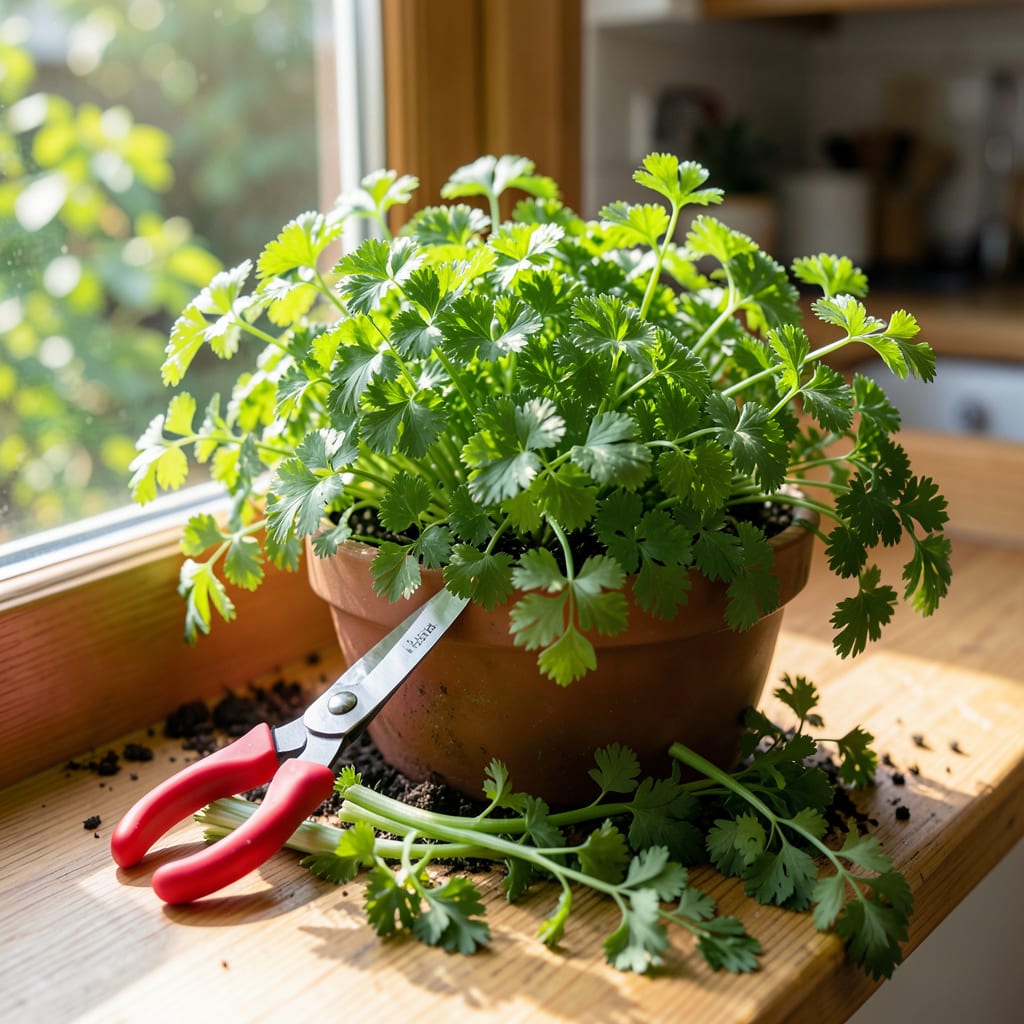
Imagine picking fresh 🌿 Parsley from your garden all season long without replanting. Most gardeners don’t realize they’re cutting their plants the wrong way, stunting future growth.
With the right approach, you can enjoy a continuous harvest. I’ll show you the simple but most important techniques to keep your parsley thriving and producing.


The key to continuous parsley harvests lies in how you cut. Never remove more than one-third of the plant at once, as this can stress it and slow regrowth. Always use sharp, clean scissors to prevent tearing the stems.
Focus on harvesting the outermost stems first, allowing the inner growth to mature. This method encourages the plant to produce new shoots from the center. I’ve found this approach keeps my parsley bushy and productive all season long.
Timing is also crucial for parsley regrowth. I recommend harvesting in the early morning when the plant’s moisture content is highest. This reduces stress and helps the plant recover faster.
For the best results, harvest your parsley every 2-3 weeks during the growing season. This regular schedule prevents the plant from becoming overgrown and leggy. I’ve noticed my plants stay healthier and more compact with this routine.
If your parsley starts to flower, it’s a sign the plant is shifting its energy to seed production. At this point, I trim back the flower stalks to redirect energy to leaf growth. This simple step can extend your harvest by several weeks.
Remember, healthy soil supports regrowth. I always ensure my parsley is planted in well-draining soil enriched with compost. This provides the nutrients needed for continuous production. A light feeding of balanced fertilizer every 4-6 weeks also helps.
Finally, monitor your plants for signs of stress, like yellowing leaves or wilting. If I notice these issues, I adjust my watering schedule or check for pests. Healthy plants regrow faster and stronger after harvesting.
By following these harvesting techniques, I’ve kept my parsley plants producing fresh leaves for months. It’s amazing how such small adjustments can make a big difference in your garden’s yield. ✂️
Keeping your parsley plants healthy between harvests ensures they’ll keep producing. I focus on consistent watering, giving my plants about 1 cup of water every 3-5 days, depending on the weather.
Well-draining soil is non-negotiable for parsley. I mix compost into my garden beds to improve fertility and moisture retention. This helps my plants recover faster after harvesting and encourages new growth.
I also make sure my parsley gets 4-6 hours of sunlight daily. If you’re growing in containers, place them near an east or west-facing window for the best results. Without enough light, plants become leggy and weak.
Pest management is another key factor. I check my plants weekly for signs of aphids or spider mites. A strong spray of water often dislodges them, but I’ll use neem oil for persistent infestations.
Finally, rotate your harvests among different plants if you have multiple. This prevents any single plant from becoming over-stressed and ensures all your parsley stays productive and vigorous. 🌿
Even with good intentions, it’s easy to make harvesting mistakes that hinder your parsley’s ability to regrow. One of the most common errors I see is cutting too much at once, which can shock the plant and stall new growth.
Another mistake is harvesting from the wrong part of the plant. Many gardeners cut the top leaves instead of the outer stems, which prevents the center from developing properly. This leads to weak, sparse growth over time.
Over-harvesting: Never remove more than 1/3 of the plant at a time.
Wrong cutting point: Always cut at the stem base, not the leaf tips.
Poor timing: Avoid harvesting during the hottest part of the day.
Dirty tools: Use clean scissors to prevent disease spread.
I’ve also learned that harvesting at the wrong time can stress parsley. Cutting during the heat of the day causes unnecessary moisture loss. Early morning is ideal when plants are most hydrated.
Using dull or dirty tools is another common oversight. Torn stems invite disease and slow recovery. I always keep a pair of sharp garden shears dedicated to my herbs, cleaning them with rubbing alcohol between uses.
Finally, ignoring flower production can end your harvest prematurely. When parsley bolts, it diverts energy to seeds. I immediately remove flower stalks to extend the leaf-producing phase. With these adjustments, your parsley will thrive and regrow abundantly. ✂️
Harvest every 2-3 weeks during active growth. Never take more than 1/3 of the plant at once to avoid stressing it.
Always cut entire outer stems at the base. This encourages new growth from the center while leaving inner stems to mature.
Early morning is ideal when moisture levels are highest. Avoid the hottest part of the day to prevent wilting.
Leggy growth usually means insufficient light. Ensure it gets 4-6 hours of daily sunlight and harvest regularly.
