
Beautiful Plants For Your Interior
Beautiful Plants For Your Interior
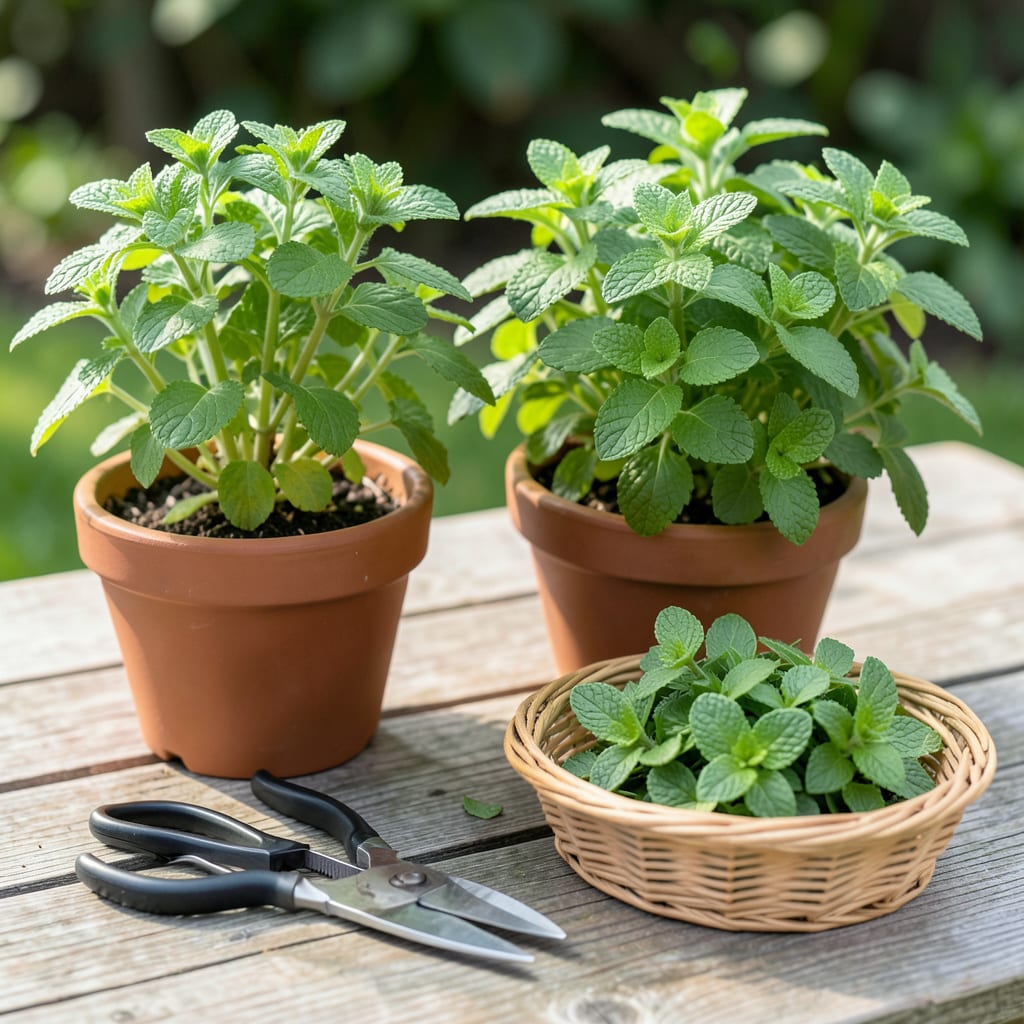
There’s nothing quite like the taste of tea made from freshly harvested 🌱 Mint leaves. The secret lies in knowing when and how to pick them for maximum flavor.
I’ll show you the best techniques to harvest Mint without harming your plant, ensuring a continuous supply for your favorite brew. Let’s get started.


Timing is everything when harvesting mint leaves for tea. The best flavor comes from leaves picked in the early morning, just after the dew has dried but before the sun gets too hot.
I always check that my mint plants are at least 6-12 inches tall with sturdy stems before harvesting. This ensures the plant has enough foliage to recover and continue growing.
The essential oils in mint are most concentrated just before the plant flowers. I wait until I see flower buds forming but harvest before they fully open for the best tea flavor.
Seasonally, mint thrives from June to September. During this period, you can harvest every 2-3 weeks if you’re careful not to take too much at once.
Always harvest on dry, sunny days. Wet leaves can lead to mold during drying, and the oils are less potent when the plant is stressed by drought or excessive rain.
I’ve found that younger leaves at the top of the plant have the mildest flavor, while older leaves near the base are stronger. For tea, I prefer a mix of both for balanced flavor.
The plant’s growth stage matters too. If your mint is still small, just pinch off a few leaves. For mature plants, you can cut entire stems.
Remember that regular harvesting actually encourages bushier growth. Just never remove more than 1/3 of the plant at a time to keep it healthy.
By following these timing guidelines, you’ll get the most fragrant, flavorful leaves for your tea while keeping your mint plant productive all season long. ✂️
Harvesting mint leaves correctly ensures your plant stays healthy and productive. I always use clean, sharp scissors or pruning shears to make precise cuts without crushing the stems.
For the best results, I cut just above a leaf node where new growth can emerge. This encourages the plant to branch out and produce more leaves for future harvests.
I never harvest more than 1/3 of the plant at once. This prevents stress and allows the mint to recover quickly. If I need more leaves, I wait 2-3 weeks between harvests.
For young mint plants, I simply pinch off individual leaves or small sprigs. With mature plants, I can cut entire stems, which encourages bushier growth.
After harvesting, I give my mint a light watering to help it recover. This is especially important during hot, dry periods when the plant might be stressed.
By following these techniques, you’ll maintain a healthy, productive mint plant that provides fresh leaves all season long. ✂️
Preserving your mint harvest properly keeps the flavor fresh for months. I prefer air-drying as it maintains the most essential oils and natural aroma.
For best results, gather leaves into small bunches and hang them upside down in a warm, well-ventilated area away from direct sunlight.
Once completely dry, I remove the leaves from stems and store them in airtight containers in a cool, dark place. This prevents moisture and light from degrading the quality.
For oven-drying, spread leaves on a baking sheet at 170°F for 1-2 hours, checking frequently to avoid over-drying. This method works well when you need leaves quickly.
I’ve found that whole leaves retain flavor better than crushed ones. Only crush them right before using for tea to preserve their essential oils and aroma.
Properly stored, dried mint leaves can last 6-12 months. Check periodically for any signs of moisture or mold, and discard any affected leaves immediately.
With these storage methods, you’ll have fresh-tasting mint for tea year-round, even when your plants aren’t actively growing. 🌿
Early morning after dew dries is ideal. The essential oils are most concentrated then, giving your tea the strongest flavor. Avoid harvesting during hot afternoon hours.
Never remove more than 1/3 of the plant in a single harvest. This allows the mint to recover and continue growing. For young plants, just pinch off a few leaves.
For mature plants, cut 1-2 inches above a leaf node to encourage bushier growth. Young plants do better with individual leaves pinched off. Always use clean, sharp tools.
Fresh leaves make excellent tea right after harvesting. Just rinse them gently and steep in hot water for 5-7 minutes. The flavor will be milder than dried.
