
Beautiful Plants For Your Interior
Beautiful Plants For Your Interior
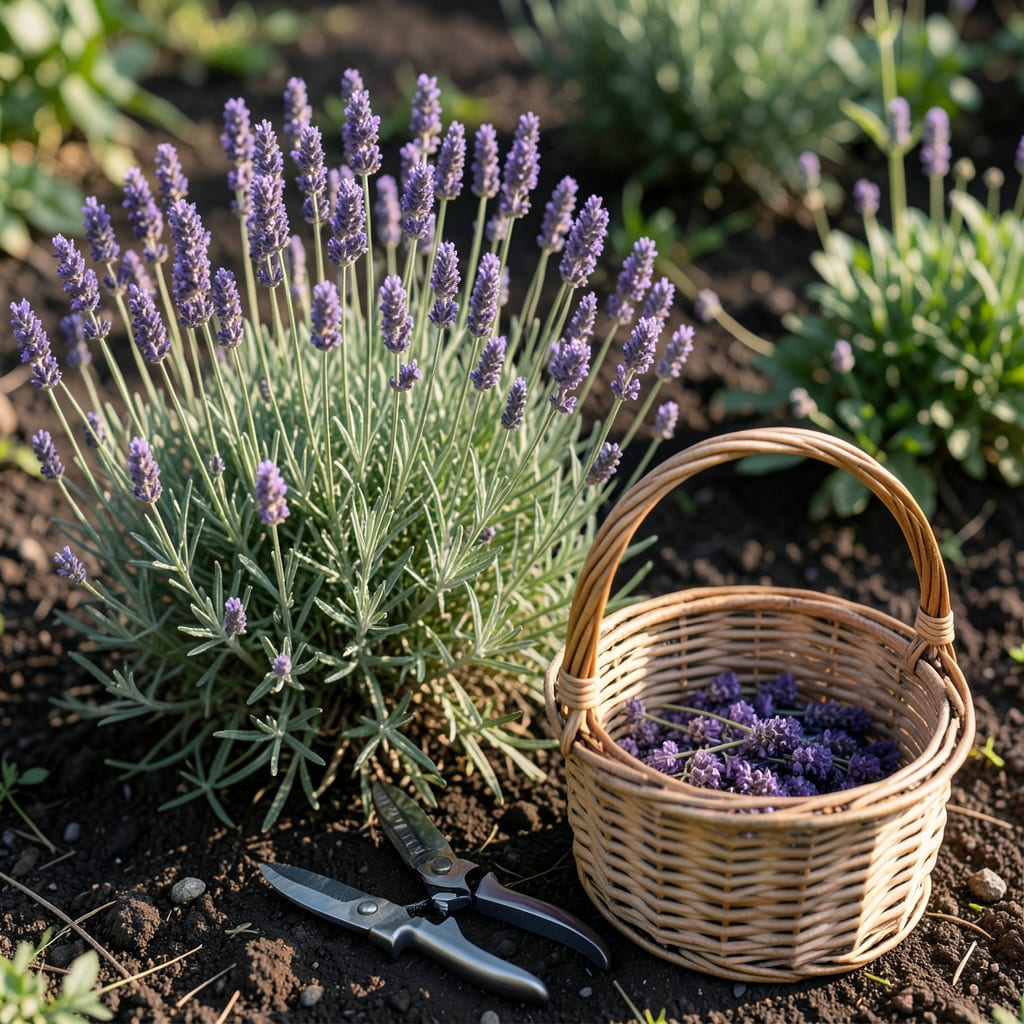
There’s nothing quite like the strongest fragrance of freshly harvested 🌿 Lavender filling your space. But did you know the secret to that perfect scent lies in the timing?
I’ll show you exactly when and how to pick your Lavender for the best results. These simple techniques will help you preserve that beautiful aroma and color for months.


The perfect harvest window for lavender is when about 50% of the buds have opened on each stem. This stage ensures the highest essential oil content and strongest fragrance for drying or fresh use.
I always check for firm woody stems at the base and vibrant flower color. These signs tell me the plant is ready. Harvesting too early or late can reduce quality significantly.
| Harvest Indicator | Optimal Condition |
|---|---|
| Bud Stage | 50% open |
| Stem Condition | Woody at base |
| Season | July-September |
| Time of Day | Morning after dew |
The best time of day to harvest is in the morning after dew has evaporated but before the heat of midday. This preserves the most oils and prevents wilting during processing.
Seasonally, lavender typically peaks between July and September, depending on your USDA zone (5-9). In warmer climates, you might get a second harvest in early fall.
Avoid harvesting when flowers are fully closed or completely open. Closed buds won’t develop their full fragrance, while over-mature flowers may shatter during drying.
Weather matters too. I never harvest lavender when it’s wet from rain or in high humidity. Damp flowers are prone to mold during drying and can ruin an entire batch.
For essential oil production, some growers prefer harvesting when 70% of buds are open. But for drying and crafts, the 50% rule gives the best balance of color retention and scent.
Remember that different lavender varieties may have slightly different optimal harvest times. English lavender often matures earlier than Spanish or French varieties.
By following these timing guidelines, you’ll get the most fragrant and longest-lasting lavender for all your gardening and crafting needs 🌿
I always use sharp pruning shears or garden scissors for harvesting lavender. Clean cuts prevent stem damage and help the plant recover quickly for future growth.
The proper cutting technique involves snipping just above a leaf node or set of leaves. This encourages new growth and maintains the plant’s shape while preventing bare stems.
I recommend cutting stems that are 8-12 inches long. This length provides enough material for drying while leaving sufficient foliage for the plant to continue growing healthily.
Never cut into the woody base of the lavender plant. This can cause permanent damage and may even kill the plant. Always leave at least 2-3 inches of green growth above the woody part.
After harvesting, I gently shake the stems to remove any insects or debris. Then I immediately bundle them for drying. This prevents the flowers from wilting or losing their essential oils.
For bushier plants next season, I harvest lavender by cutting just above a leaf pair. This stimulates the plant to produce two new stems from each cut, resulting in a fuller, more productive plant the following year.
By following these techniques, you’ll maintain healthy lavender plants that produce abundant blooms year after year ✂️
I always dry my lavender immediately after harvesting to preserve its color and fragrant oils. The key is providing good air circulation in a dark, dry space to prevent mold growth.
My preferred method is hanging bundles upside down. This helps maintain the natural shape of the stems and allows the essential oils to stay concentrated in the flowers.
🌱 Pro Tip: Always remove any leaves from the lower third of the stems before drying. This improves air circulation and speeds up the drying process.
I create small bundles of 10-15 stems and secure them with a rubber band or twine. As the stems dry, they shrink, so the binding needs to be tight enough to hold them together.
For drying, I hang the bundles in a well-ventilated room away from direct sunlight. The process typically takes 2-3 weeks, depending on humidity levels. You’ll know they’re dry when the flowers feel crisp to the touch.
Once completely dry, I store my lavender in airtight containers away from light and heat. This preserves the color and fragrance for up to a year, perfect for sachets, crafts, or culinary use 🌿
Harvest in the morning after dew evaporates but before midday heat. This preserves the most essential oils and prevents wilting.
Look for 50% open buds, firm woody stems at the base, and vibrant color. These signs ensure peak fragrance and oil content.
Use sharp pruning shears or garden scissors for clean cuts. This prevents stem damage and promotes healthy regrowth.
Avoid harvesting when wet. Damp flowers are prone to mold during drying. Always wait for dry conditions.
