
Beautiful Plants For Your Interior
Beautiful Plants For Your Interior
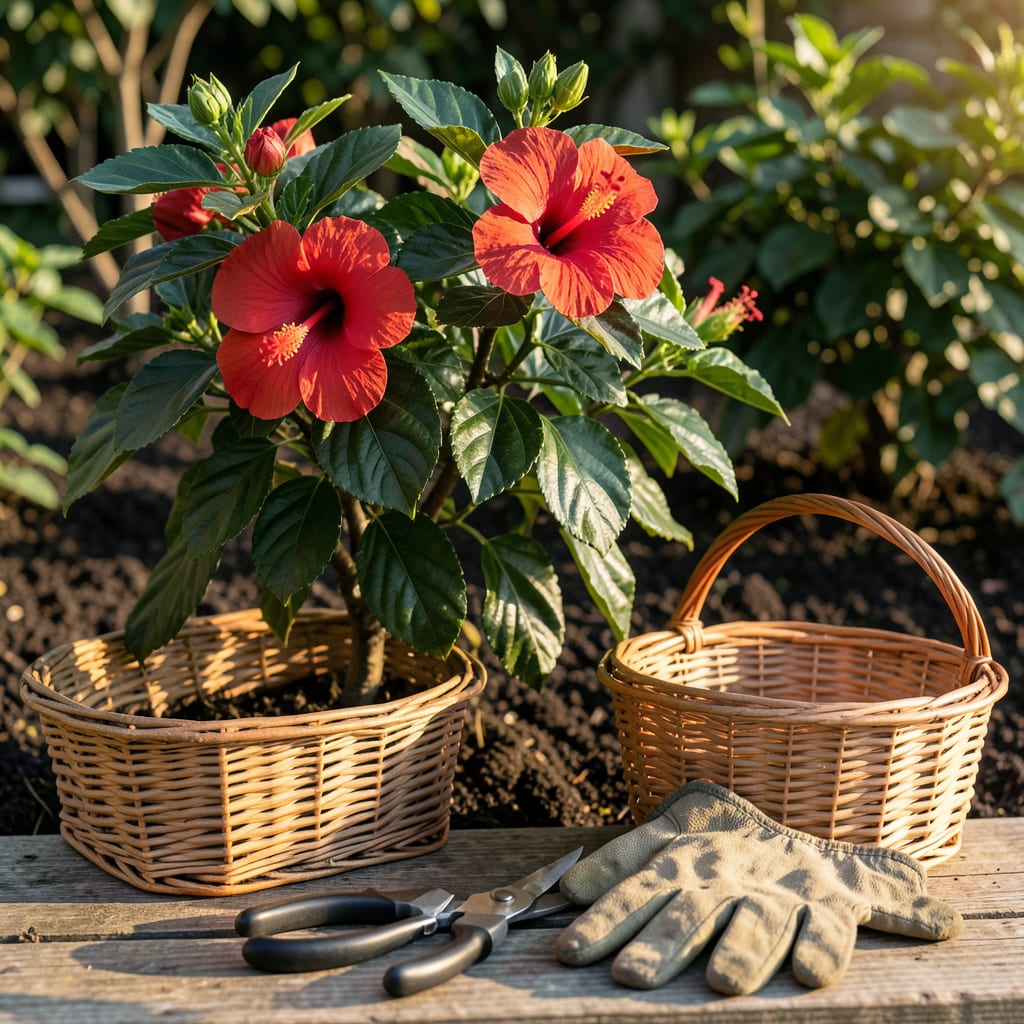
Nothing beats the satisfaction of picking fresh 🌺 Hibiscus blooms at their peak. Timing is everything when it comes to preserving their vibrant color and delicate flavor.
I’ll share the best techniques to harvest these beautiful flowers without harming your plant. Whether you’re brewing tea or creating arrangements, you’ll learn how to do it right.


Timing your hibiscus harvest perfectly preserves color and flavor. I always check for fully open petals and firm calyces as the first signs of readiness. Morning is ideal since blooms are most vibrant then.
The best harvest window is during summer to fall when plants are actively blooming. I avoid picking wilted flowers or those still in bud form, as they won’t develop properly.
| Sign | Description |
|---|---|
| Fully Open | Petals are bright and spread wide |
| Vibrant Color | Rich, consistent hibiscus hues |
| Firm Calyx | Base feels solid to touch |
| Morning Harvest | Pick before 10 AM for peak freshness |
I’ve found that seasonal timing matters just as much as daily timing. In USDA zones 5-11, hibiscus thrives during warmer months. The ideal harvest period starts about 90-120 days after planting.
Watch for stamens becoming visible and prominent. This is nature’s way of saying the flower is ready. I never harvest when petals are pale or the bloom feels soft.
Another tip: check the weather before harvesting. I avoid picking on rainy days or when high humidity is expected, as this can lead to mold or reduced flower quality.
For container-grown hibiscus, I pay extra attention to soil moisture. Well-draining soil helps prevent root rot, which can affect flower production and quality.
If you’re growing dwarf varieties, expect slightly earlier blooms. These compact plants often mature faster than their taller counterparts, sometimes ready in as little as 80 days.
Remember that regular harvesting encourages more blooms. I make it a habit to check my plants daily during peak season, removing spent flowers to promote continuous production.
By following these timing guidelines, you’ll ensure each harvest is of the highest quality, whether for teas, decorations, or simply enjoying their beauty in your garden. ✂️
Harvesting hibiscus flowers properly keeps your plant healthy and blooming. I always use clean, sharp tools to make precise cuts without crushing stems. This prevents damage and disease.
For hand-picking, I gently grasp the flower base and twist slightly. This method works best for mature blooms that separate easily from the stem.
When using pruning shears, I position them at a 45-degree angle just below the calyx. This cut heals faster and looks neater than a straight cut.
I never harvest more than 1/3 of blooms at once. This ensures the plant has enough foliage for photosynthesis and future growth. Over-harvesting stresses the plant.
After harvesting, I immediately remove any damaged petals or foliage. This prevents rot and keeps the remaining flowers looking their best for arrangements or drying.
For container-grown hibiscus, I’m extra gentle. The roots have less space, so I limit my harvest to 1-2 flowers per plant at a time. This maintains the plant’s health in confined spaces.
Proper storage extends the life of your hibiscus blooms for weeks. I always start by gently rinsing flowers to remove dirt, then pat them dry with a soft cloth to prevent bruising.
For short-term use, I place fresh hibiscus flowers in the refrigerator in a sealed container with a damp paper towel. This keeps them vibrant for up to 5 days.
🌱 Preservation Tip: For long-term storage, dry hibiscus flowers by spreading them in a single layer on a mesh screen in a dark, dry place for 1-2 weeks.
Drying is my preferred method for tea or crafts. I ensure good airflow around each bloom to prevent mold. Once dry, I store them in airtight containers away from light.
For freezing hibiscus, I first dry the flowers, then place them in freezer bags with all air removed. This preserves color and flavor for up to 6 months.
Always check your stored flowers for moisture or pests regularly. I find that silica gel packets help maintain dryness in storage containers.
Remember that fresh hibiscus works best for arrangements, while dried flowers are perfect for teas. I label all my containers with the harvest date to track freshness. ✂️
Morning is ideal, before 10 AM, when blooms are most vibrant and turgid. This timing preserves color and flavor better than later in the day.
Look for fully open petals, vibrant color, and visible stamens. The calyx should feel firm to the touch. Avoid pale or wilted flowers.
Both work! For gentle hand-picking, twist the base slightly. For woody stems, use sharp pruners and cut at a 45-degree angle just below the calyx.
Place them in a sealed container with a damp paper towel in the refrigerator. This keeps them fresh for up to 5 days.
