
Beautiful Plants For Your Interior
Beautiful Plants For Your Interior
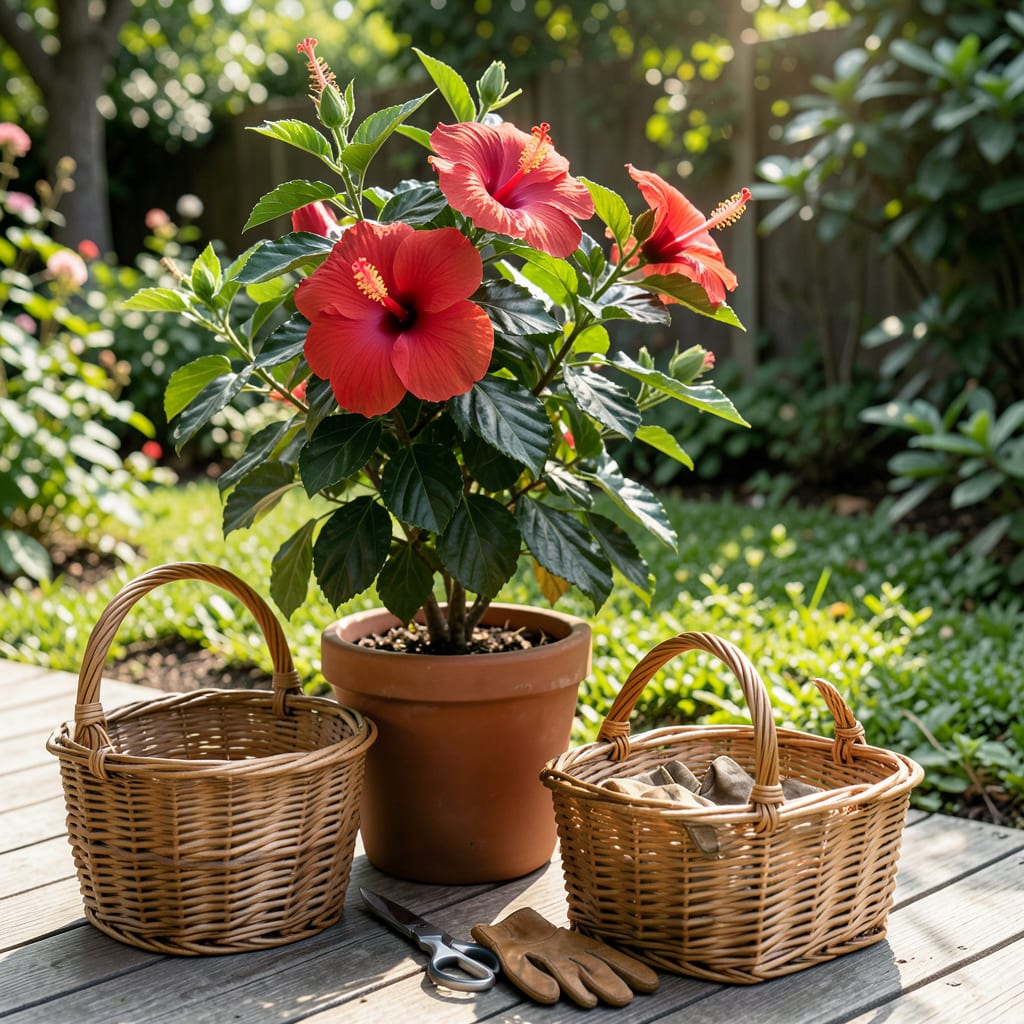
There’s nothing quite like seeing your Hibiscus 🌺 in full bloom, but knowing when to pick those flowers makes all the difference. Timing and technique can turn a good harvest into a great one.
I’ll walk you through the best practices to gather those vibrant blooms without harming your plant. You’ll learn how to maximize both quality and yield with every pick.


Timing is everything when it comes to harvesting hibiscus flowers. Picking at the right stage ensures the best color, flavor, and longevity for your blooms. I always watch for the moment when the buds begin to open but aren’t fully unfurled yet.
Early morning is the ideal time of day to harvest. The blooms are fresh, hydrated from overnight dew, and less likely to wilt. This timing also helps preserve their vibrant colors and delicate structure.
| Harvest Stage | Signs to Look For |
|---|---|
| Early Morning | Flowers are firm and hydrated |
| Bud Stage | Buds begin to open |
| Full Bloom | Petals are fully colored |
| Stamen Visible | Center stamen is exposed |
Seasonal timing matters too. In most climates, hibiscus flowers bloom from summer to early fall. I’ve found that harvesting during this window gives the most consistent results, as the plant is in its active growing phase.
Look for vibrant, fully colored petals and a firm texture when gently pressed. If the flower feels soft or mushy, it’s past its prime and may not hold up well after picking. Avoid harvesting when the bud is still tightly closed.
Another key indicator is the stamen visibility. When the center of the flower starts to show its reproductive parts, it’s a sign that the bloom is ready. This stage often coincides with the peak of its fragrance and visual appeal.
Weather conditions play a role as well. I avoid harvesting on rainy days or when the humidity is extremely high, as excess moisture can lead to mold or wilting. A dry, sunny morning is your best bet for a successful harvest.
If you’re growing hibiscus for tea, the timing is even more critical. The flowers are most flavorful when picked at the early open stage, before the petals start to drop or fade. This ensures the best aroma and taste.
For garden beauty, you might prefer to harvest blooms that are fully open but still fresh. This way, you can enjoy their vibrant colors in floral arrangements or as a stunning addition to your outdoor space. Just
By following these timing tips, you’ll get the most out of every hibiscus harvest. Whether you’re using the flowers for tea, decor, or simply to admire, the right timing makes all the difference. I’ve seen a noticeable improvement in both quality and quantity since I started paying closer attention to these details. ✂️
Harvesting hibiscus flowers properly keeps your plant healthy and your blooms beautiful. I always start by inspecting the flower’s readiness—it should be firm with vibrant petals. Using the right technique prevents damage to the plant and the bloom.
Gently hold the flower stem near the base and use your thumb to snap it off cleanly. Avoid pulling, as this can harm the plant tissue and reduce future blooms. For tougher stems, sharp pruning shears work best.
For optimal results, harvest when the weather is dry. Wet flowers are more prone to bruising and mold. I also recommend carrying a small basket to collect blooms, as this prevents crushing them in your hands.
After harvesting, handle the flowers with care. If you’re using them for tea or decor, place them in a cool, shaded area to maintain freshness. Avoid stacking flowers, as this can cause petal damage and reduce their lifespan.
Regular harvesting actually encourages more blooms. By removing spent flowers, you signal the plant to produce new ones. I’ve noticed my hibiscus bushes bloom more abundantly when I stay consistent with my picking routine.
Even experienced gardeners can make simple errors when harvesting hibiscus flowers. One of the most common mistakes I see is picking blooms too early. Tightly closed buds won’t open properly after harvesting, leading to wasted effort and disappointment.
Another frequent issue is using dull or dirty tools. Blunt shears can crush stems, while unclean tools may introduce diseases. I always ensure my pruning shears are sharp and sterilized before touching my plants.
⚠️ Warning: Avoid harvesting hibiscus flowers in the heat of the day. The blooms can wilt quickly, and the plant may experience heat stress, reducing future blooms.
Ignoring the plant’s stress signals is another pitfall. If your hibiscus shows signs of drooping leaves or yellowing foliage, it’s a sign to hold off on harvesting. Pushing a stressed plant can weaken it further and reduce its ability to produce more blooms.
Over-harvesting is a mistake that’s easy to make when you’re excited about abundant blooms. I limit my harvest to one-third of the flowers at a time to ensure the plant stays healthy. This approach allows the hibiscus to recover and continue producing throughout the season.
Finally, many gardeners forget to handle blooms gently after picking. Rough handling can bruise petals and shorten their lifespan. I always place harvested flowers in a shaded, well-ventilated area to maintain their freshness and vibrancy. ✂️
Early morning is ideal when flowers are fresh and hydrated from overnight dew. This timing preserves color and prevents wilting.
Look for vibrant petals and a firm texture. The stamen should be visible, and the bud just beginning to open. Avoid closed or mushy blooms.
Gently snap stems with clean hands for most blooms. Use sharp pruning shears for tougher stems to avoid plant damage.
Avoid harvesting on rainy days. Excess moisture can cause bruising or mold. Wait for dry, sunny conditions instead.
