
Beautiful Plants For Your Interior
Beautiful Plants For Your Interior
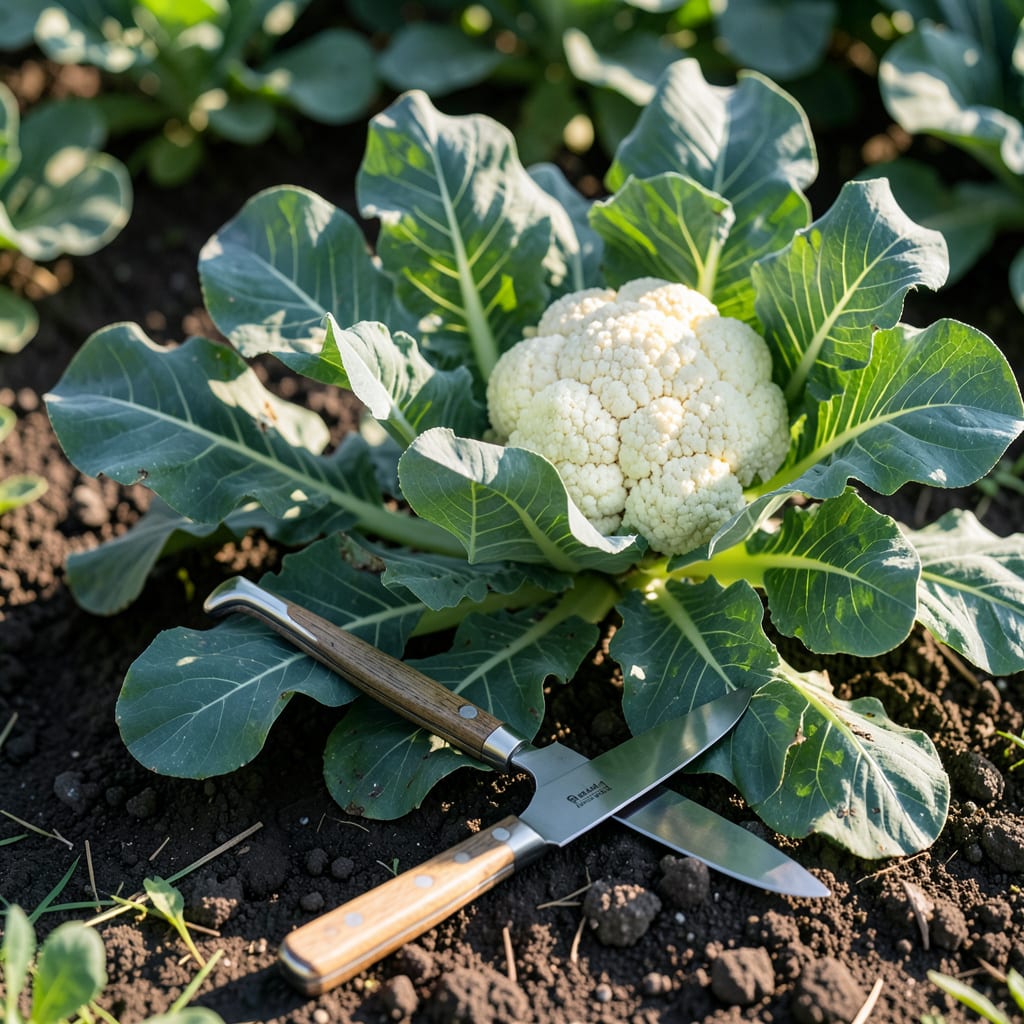
Harvesting Cauliflower 🥬 at the perfect moment makes all the difference between crisp, sweet heads and bitter disappointments. Timing and technique are everything with this picky vegetable.
I’ll walk you through the exact visual cues and simple steps to ensure you get it right every time. Let’s make your harvest the best one yet.


Knowing the exact moment to pick your cauliflower ensures the best flavor and texture. I look for heads that are 6-8 inches in diameter, with tight, firm curds. The color should be uniform and bright for most varieties.
If the head is too small or the curds are loose, it’s not ready. Wait until the outer leaves begin to separate slightly, which is a surefire sign your cauliflower is mature and ready for harvest.
| Harvest Sign | Description |
|---|---|
| Head Size | 6-8 inches in diameter |
| Firmness | Compact and firm to touch |
| Leaf Position | Outer leaves begin to separate |
| Color | Uniform and bright |
Timing also depends on your cauliflower variety. White varieties are ready when they reach that perfect size and firmness. For purple cauliflower, wait until the head is deep purple and firm.
Green varieties, like romanesco, should have a bright green color and spiral patterns that are tightly packed. If you’re growing orange cauliflower, the head should be vibrant and firm.
Seasonal changes affect harvest time too. In cooler climates, cauliflower may take longer to mature. In warmer areas, it might be ready a bit sooner. Always keep an eye on the weather forecast and adjust accordingly.
Another tip: morning harvesting is ideal. The heads are crisp and full of moisture, making them easier to cut and store. Avoid harvesting in the heat of the day, as the heads can wilt quickly.
If you notice the head starting to separate or turn ricey, it’s past its prime. This is a sign of overripeness, and the flavor will be bitter. Harvest immediately if you see these changes.
For the best results, I recommend checking your cauliflower plants every few days as they near maturity. This way, you won’t miss the perfect window for harvesting. Consistency is key with this vegetable.
Finally, remember that proper timing and technique go hand in hand. Harvesting at the right moment ensures your cauliflower is flavorful and tender, ready for your next gardening success 🌱
Harvesting cauliflower correctly preserves the plant and ensures the best quality heads. I always start by inspecting the head for that perfect 6-8 inch diameter and firm texture before making any cuts.
Use a sharp knife or clean pruners to make a single, clean cut about 1-2 inches below the head. This leaves enough stem to handle the head without damaging the curds.
Avoid pulling the head off by hand, as this can damage the plant and leave jagged stems. Instead, a smooth cut ensures the remaining plant stays healthy for potential second growth or composting.
After cutting, I check the remaining plant for any signs of disease or pests. If the leaves look healthy, I leave them in the garden to decompose naturally, adding nutrients back to the soil.
For varieties like romanesco, take extra care due to their delicate spiral patterns. A gentle touch prevents breaking the intricate curds, which are more fragile than standard white cauliflower.
Finally, store your harvested cauliflower in a cool, dry place or refrigerate it immediately to maintain freshness. Proper handling after harvest extends its shelf life significantly ✂️
Harvesting cauliflower at the wrong time or with poor technique can ruin your crop. I’ve seen many gardeners lose their hard work by waiting too long or cutting incorrectly.
One of the biggest mistakes is letting the head overripe. When the curds start to separate or turn ricey, the flavor becomes bitter and the texture turns mealy.
Overripeness: Head separates or turns ricey
Wrong timing: Harvesting in afternoon heat
Poor cuts: Pulling head instead of clean cutting
Ignoring leaves: Damaging surrounding foliage
Another common error is harvesting in the heat of the day. The heads can wilt quickly, losing crispness. Always aim for morning harvesting when the plant is most hydrated.
Using dull tools or pulling the head by hand can damage the plant and leave jagged stems. This makes the remaining plant susceptible to disease and reduces its usefulness for composting.
Finally, don’t ignore the outer leaves. If they’re damaged or diseased, remove them carefully to avoid spreading issues to other plants in your garden ✂️
Waiting too long causes the head to separate or turn ricey. The flavor becomes bitter and the texture turns mealy.
Harvest in the cool morning hours when the heads are crisp and hydrated. Avoid the heat of the day, as wilting occurs quickly.
No, cauliflower produces only one head per plant. Cut the entire head at once when it reaches 6-8 inches in diameter.
Only remove damaged or diseased leaves. Healthy leaves protect the head and can be left on during harvest.
