
Beautiful Plants For Your Interior
Beautiful Plants For Your Interior
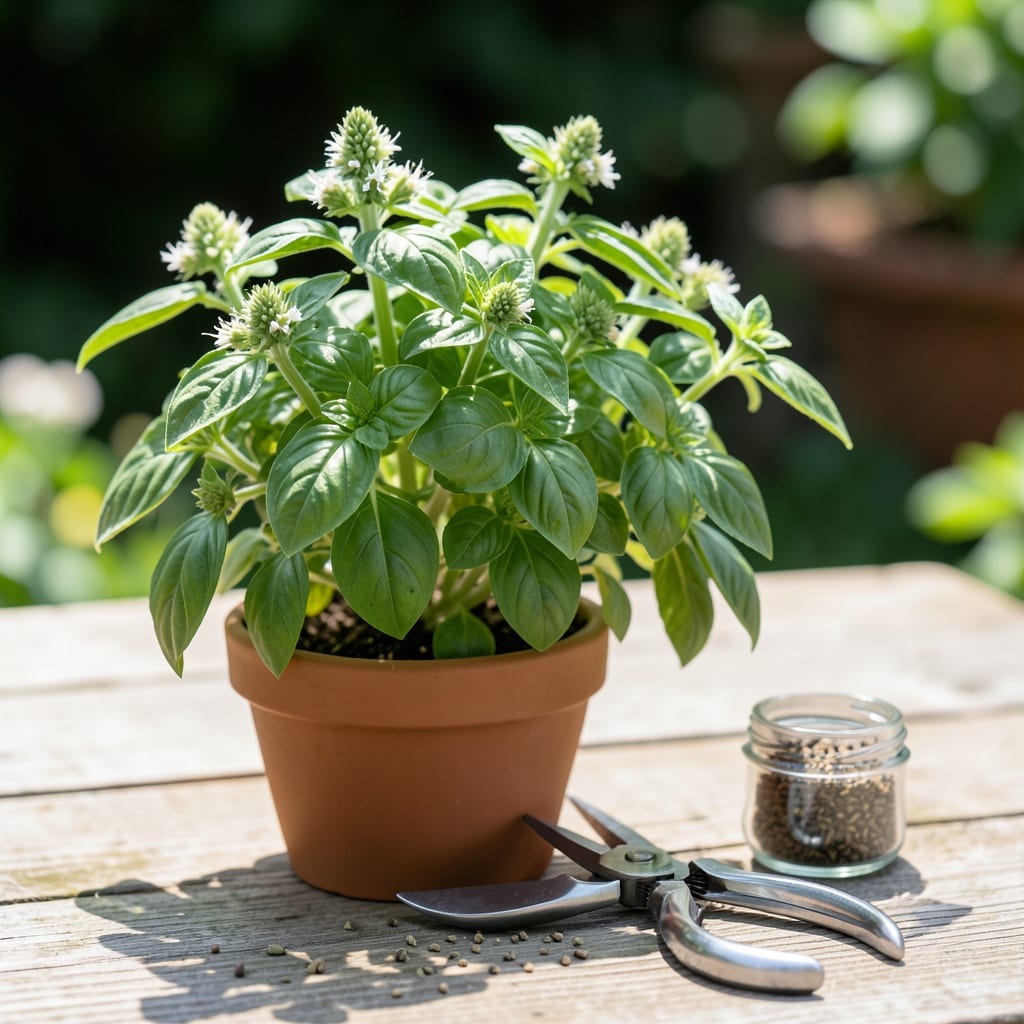
I remember the first time I discovered how easy it is to collect seeds from my 🌿 basil plants. What started as an experiment turned into a yearly tradition that saves me money and keeps my garden thriving.
With just a little patience and the right timing, you can master this simple process too. Here’s everything you need to know to get started.


I’ve found that harvesting basil seeds is one of the most satisfying ways to extend my garden’s life. The key is patience—waiting for the flower heads to fully mature ensures the best results.
When the flower heads turn brown and the seeds darken, you’ll know they’re ready. This usually happens 60-90 days after planting, depending on your climate and care.☀️
The best time to collect seeds is on a dry, sunny day. Moisture can lead to mold, which ruins your entire batch. I always check the weather forecast before planning my harvest.
If you notice green seed heads or soft seeds, they’re not ready yet. Wait until they’re fully brown and brittle. This ensures the seeds inside are mature and viable for next season.
I use a paper bag for drying because it allows airflow while catching any seeds that fall. Avoid plastic, as it can trap moisture and spoil your harvest.🌱
Once dry, the seeds should rattle inside the pods when shaken. This is a sure sign they’re ready to be removed. A fine mesh sieve helps separate seeds from plant debris.
For storage, I prefer glass jars or envelopes. Always label them with the variety and date to keep track. Properly stored basil seeds can last 3-5 years.
Remember, basil plants produce seeds abundantly. A single plant can yield hundreds, so don’t hesitate to share with fellow gardeners. It’s a great way to spread the joy of growing!🌿
Proper storage is the secret to keeping your basil seeds viable for years. I’ve learned through trial and error that drying and cleaning them thoroughly before storage makes all the difference.
After harvesting, spread the seeds in a single layer on a paper towel. Place them in a warm, well-ventilated area away from direct sunlight for 1-2 weeks.☀️
🌱 Pro Tip: Always ensure seeds are completely dry before storage. Any moisture can cause mold, which ruins your entire seed batch.
Once dry, remove any remaining plant debris or chaff. I use a fine-mesh sieve to gently shake the seeds, which separates them from the lighter plant material.
For storage, I recommend airtight containers like glass jars or sealed envelopes. Label them with the seed variety and harvest date to keep your collection organized.
Store your seeds in a cool, dark place, such as a pantry or basement. Avoid areas with temperature fluctuations or high humidity, as these can reduce seed viability.
When stored properly, basil seeds can remain viable for 3-5 years. I always test a few seeds before planting to ensure they’re still good.🌿
I’ve made my fair share of mistakes when learning to harvest basil seeds, and I want to help you avoid them. One of the biggest errors is harvesting too early. Those green flower heads won’t give you viable seeds.
Another common issue is improper drying. If you skip the drying step or use plastic bags, you risk mold growth. Always opt for paper bags or open containers for airflow.☀️
I once stored seeds in a metal tin without checking for moisture. By spring, they were useless. Now, I always ensure they’re bone-dry before sealing them in airtight containers.
Another pitfall is overlooking seed maturity. If the seeds aren’t dark and hard, they won’t germinate. Test by shaking the pods—if they rattle, they’re ready.🌱
Finally, don’t forget to clean your seeds properly. Leaving chaff or debris can attract pests or cause mold. A fine sieve is your best tool for this task.
Watch for brown, dry flower heads and dark, hard seeds. If they rattle inside when shaken, they’re ready to harvest. Avoid green heads or soft seeds.
Yes, but check if it’s an heirloom variety. Hybrid types may not grow true to the parent plant. Always let it flower first.
Place seed heads in a paper bag for 1-2 weeks in a warm, dry spot. Avoid plastic, which traps moisture and causes mold.
Stored in an airtight container in a cool, dark place, they stay viable for 3-5 years. Label with the date for tracking.
