
Beautiful Plants For Your Interior
Beautiful Plants For Your Interior
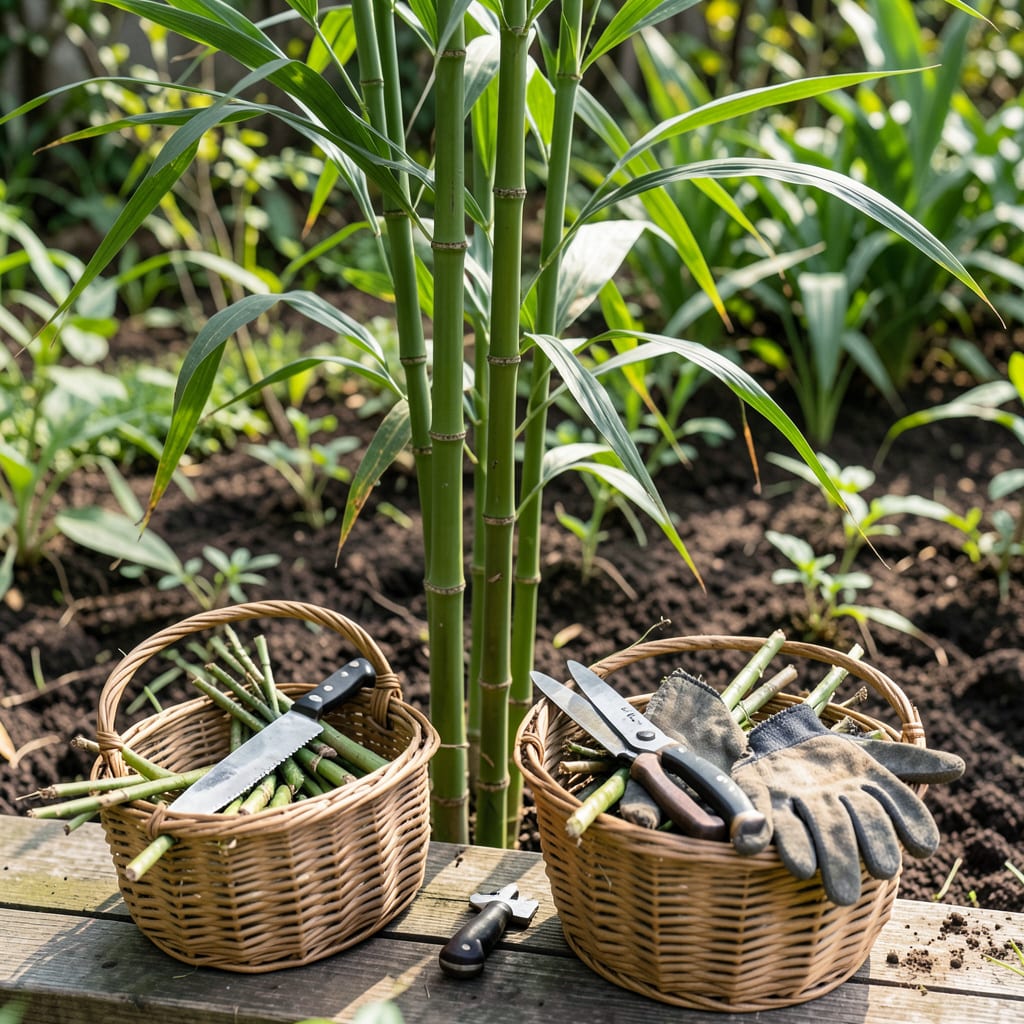
Timing is everything when it comes to harvesting 🌿 Badil. Picking too early or too late can mean the difference between a flourishing herb and a wasted effort.
I’ll share the most reliable signs to know your Badil is ready, plus simple steps to ensure a smooth harvest without harming the plant.


Harvesting Badil at the perfect moment ensures maximum flavor and plant health. I always look for visual cues first, like a deep green color in the leaves.
The aroma is another dead giveaway. When I crush a leaf and smell a strong fragrance, I know it’s time. The stems should also feel firm and woody at the base.
| Sign | Ready Indicator | Not Ready Indicator |
|---|---|---|
| Leaf Color | Deep green | Pale or yellowish |
| Aroma | Strong fragrance | Weak or no aroma |
| Stem Texture | Woody at base | Soft and green |
| Height | Mature height reached | Still growing |
I’ve learned that Badil typically reaches mature height between 3-4 feet. If your plant hasn’t hit this mark, it’s best to wait.
A common mistake is harvesting based on size alone. I once picked leaves that looked big enough, but they lacked the rich aroma of truly ripe Badil. Now, I always double-check the scent.
Another tip: Timing matters. Badil is usually ready 80 days after planting. If you’re in USDA Zone 6, expect to harvest between July and August.
The texture of the leaves can also clue you in. Ready leaves feel slightly leathery and resilient, not soft or flimsy. This is a sign they’ve developed the oils that give Badil its character.
For those growing Badil in containers, check the root system. If roots are circling the pot, it might be time to harvest or repot. I prefer to harvest before this happens to avoid stressing the plant.
If you’re unsure, try the “crush test”. Rub a leaf between your fingers. A strong, pleasant scent means it’s ready. If it smells weak or grassy, give it more time.
Lastly, observe the overall plant health. A thriving Badil with vibrant leaves and strong stems is a sure sign you’re on the right track. Happy harvesting! 🌿
Harvesting Badil correctly means using the right technique to protect both fruit and plant. I always start by checking the weather conditions first.
Early morning is ideal because the plants are hydrated and less stressed by heat. This helps prevent wilting or bruising during the process.
I’ve found that sterilizing tools with rubbing alcohol before use prevents disease spread between plants. It’s a small step that makes a big difference in plant health.
Avoid harvesting when the leaves are wet, as this can encourage fungal growth. I wait until the foliage is dry to ensure clean, healthy cuts.
For container-grown Badil, I gentle twist the stem while supporting the base. This method works well when pruners aren’t available and minimizes plant damage.
After harvesting, I inspect the plant for damage. Removing any broken stems or damaged leaves helps the plant recover faster and stay healthy. ✂️
Once you’ve harvested your Badil, proper storage is key to maintaining its freshness and flavor. I’ve found that temperature and humidity play a huge role in how long it lasts.
For short-term storage, I keep Badil in a cool, dry place away from direct sunlight. This helps preserve its aromatic oils and prevents wilting.
Pro Tip: Store Badil in a paper bag in the fridge for up to 10 days. This keeps it fresh while allowing ethylene gas to escape.
If you plan to store Badil longer, consider drying the leaves. I hang small bundles upside down in a well-ventilated area for about 2 weeks. This method locks in the flavor.
For those who prefer freezing, I spread the leaves on a tray and freeze them before transferring to a sealed container. This prevents freezer burn and keeps the leaves intact.
Avoid storing Badil near moisture sources like sinks or damp areas, as this can lead to mold growth. I once lost a whole batch by storing it in a humid basement.
Lastly, always check stored Badil for signs of spoilage, like discoloration or off smells. Proper storage ensures you enjoy your harvest for weeks! 🌿
Early morning is ideal when plants are hydrated and less stressed by heat. This prevents wilting and bruising during picking.
Check for pale or yellowish leaves, weak aroma, or soft green stems. These signs mean the plant needs more time to mature.
Try the “crush test”: rub a leaf between your fingers. A strong, pleasant scent means it’s ready to harvest.
In a paper bag in the fridge, they stay fresh for up to 10 days. For longer storage, dry or freeze them properly.
