
Beautiful Plants For Your Interior
Beautiful Plants For Your Interior
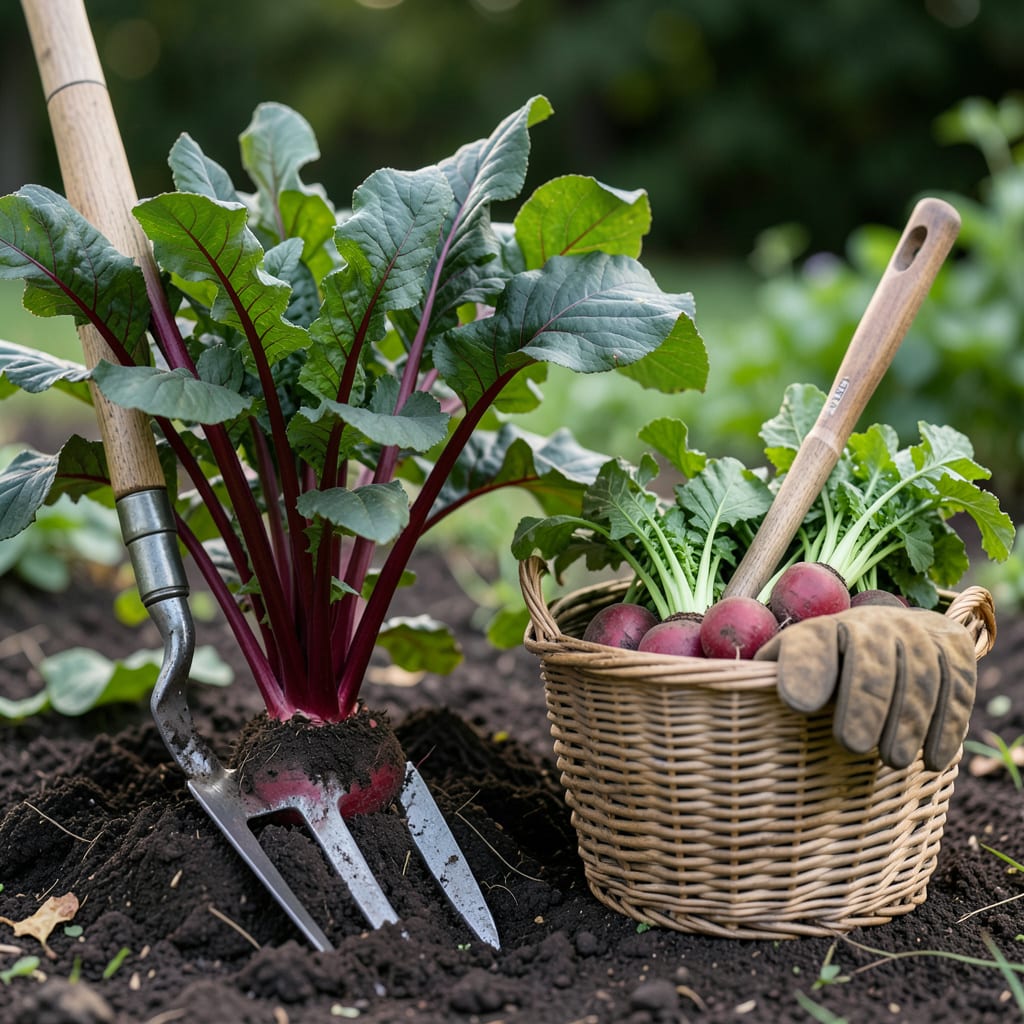
There’s a special joy in harvesting fresh 🥬 Beetroot from your garden, but the real magic happens when you preserve that just-picked flavor for months.
I’ll show you the exact techniques to harvest at peak ripeness and store them properly. These simple steps will keep your Beetroot crisp and delicious long after the growing season ends.


Timing is everything when harvesting beetroot for the best flavor and texture. I always check for 1-3 inch diameters as the first sign they’re ready. The shoulders peeking above soil confirm it’s time to pull them up. ☀️
Early morning is ideal for harvesting—cooler temps keep beets crisp. I use a garden fork to loosen soil around each plant, preventing root damage. Gently twist the greens while lifting to avoid breaking the stems. 🌱
I never harvest wet beets—wait for dry soil to prevent rot. If the greens are wilted, water the plants the day before picking. This keeps the roots plump and flavorful. 💧
Small beets can stay in the ground longer, but oversized ones turn woody. For baby beets, harvest at 1 inch. For storage, I prefer 2-3 inch roots—they keep better and taste sweeter. ✂️
After pulling, I shake off excess soil but avoid washing them. Dirt protects the roots during storage. If you must clean, use a dry brush—never water until ready to use. 🌿
Harvesting every 2-3 weeks ensures a continuous supply. I plant succession crops every 3 weeks for fresh beets all season. This method keeps my pantry stocked without waste. 🪴
If frost threatens, I cover plants with mulch or row covers. Beets tolerate light frost, but hard freezes damage them. Harvest before the first hard freeze for the best results. ⏰
Finally, I sort my harvest by size—small for immediate use, medium for storage. This organization makes it easy to rotate stock and enjoy fresh beets for months. 📌
Once harvested, proper storage methods determine how long your beetroot stays fresh. I’ve tested multiple approaches, and the right conditions can extend shelf life to 6 months or more. Cool, dark, and humid environments work best. 🌱
For short-term use, the refrigerator is ideal. I store unwashed beets in a perforated bag in the crisper drawer, where they stay crisp for 2-3 weeks. The key is maintaining high humidity without moisture buildup. ☀️
| Method | Conditions | Duration |
|---|---|---|
| Root Cellar | 32-40°F, 90% humidity | 4-6 months |
| Refrigerator | 35-40°F, high humidity | 2-3 weeks |
| Freezing | Blanched, 0°F | 8-10 months |
For long-term storage, a root cellar is my top choice. I layer beets in sand or sawdust to prevent touching, which reduces rot. The temperature must stay above freezing but below 40°F for best results. 🌿
Freezing is another great option. I blanch beets for 3-5 minutes, cool them in ice water, then pack in airtight containers. This preserves flavor and texture for up to 10 months. Just thaw before using. ✂️
Avoid storing beets near apples or pears, as they release ethylene gas, which speeds up spoilage. I also keep them away from potatoes, as the gases they emit can cause bitterness. 💧
Inspect stored beets monthly for soft spots or mold. Remove any spoiled ones immediately to protect the rest. With these methods, I enjoy garden-fresh beets all winter long. 🪴
Even with the best intentions, small storage mistakes can ruin your beetroot harvest. I’ve learned the hard way that leaving foliage attached speeds up moisture loss and rot. Always trim greens to 1 inch above the root. 🌱
Another common error is washing beets before storage. Moisture encourages mold, so I simply brush off dirt. Also, avoid plastic bags without ventilation—they trap ethylene gas, causing spoilage. ☀️
Storing beets in warm or sunny spots is another misstep. I keep mine in a cool, dark place like a basement or root cellar. Temperature above 40°F causes them to turn soft and lose sweetness. 🌿
Never stack beets directly on top of each other. I use layers of straw or sand to separate them, preventing bruising. Also, avoid storing near onions or potatoes, as their gases affect flavor. ✂️
Finally, inspect regularly for soft spots or mold. One spoiled beet can ruin the whole batch. With these tips, I’ve kept my harvest fresh for 6 months or longer. 🪴
Early morning is ideal for harvesting. Cooler temps keep beets crisp and prevent wilting. Avoid harvesting when the soil is wet to reduce rot risk.
Never wash beets before storage. Moisture encourages mold growth. Simply brush off dirt and store them dry for best results.
In the refrigerator, unwashed beets stay fresh for 2-3 weeks in a perforated bag. Keep them in the crisper drawer for best humidity control.
Yes! Blanch for 3-5 minutes, cool in ice water, then pack in airtight containers. They’ll keep for 8-10 months in the freezer.
