
Beautiful Plants For Your Interior
Beautiful Plants For Your Interior
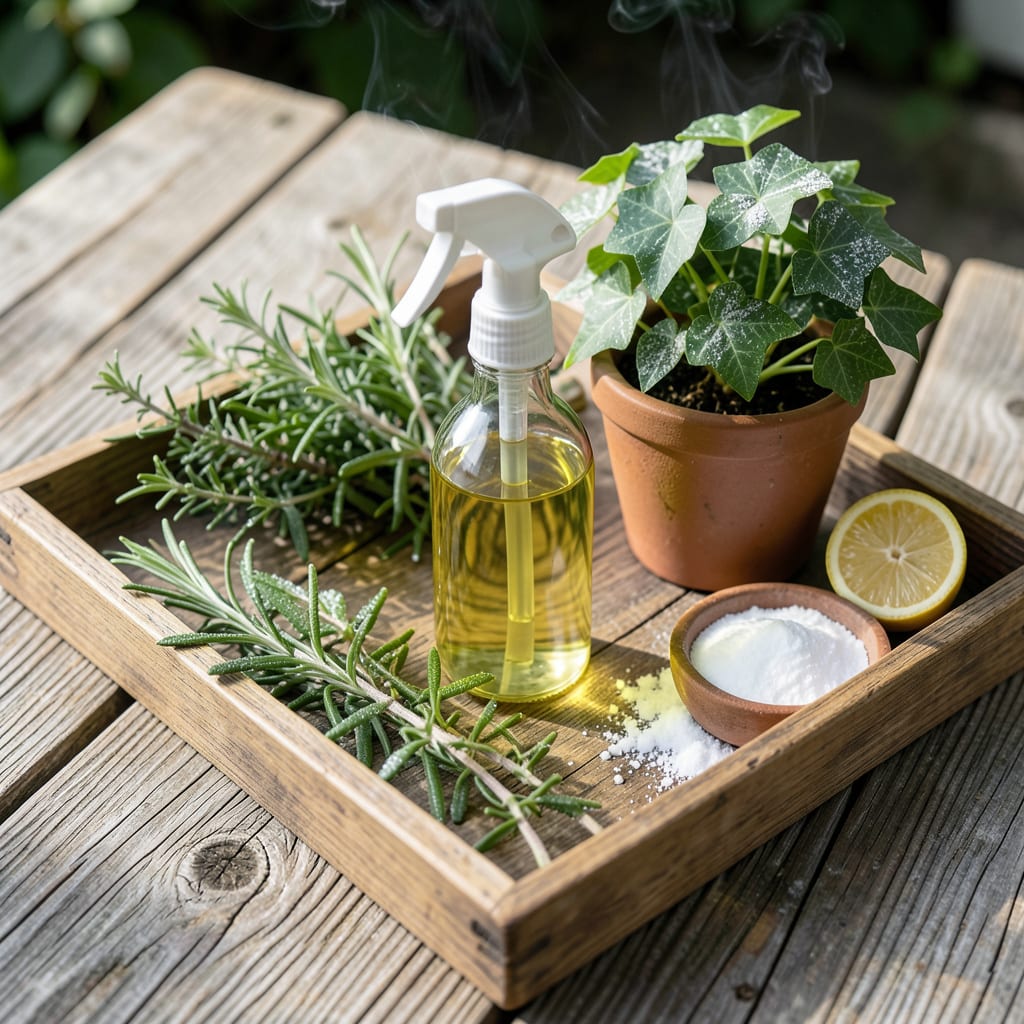
White powdery spots on leaves means trouble. 🌿 I’ve battled this fungal foe in my garden for years, and the good news is it’s entirely treatable without harsh chemicals.
This issue thrives in humid conditions with poor air circulation. The key is catching it early—once it spreads, it can weaken plants and stunt growth. Natural solutions like neem oil or baking soda sprays work surprisingly well.
You’ll see healthier foliage within a week of treatment if you’re consistent. Prevention is even simpler: space plants properly, water at the base, and remove affected leaves immediately.
Works for roses, cucumbers, squash, and most ornamentals. Here’s how to reclaim your garden.
White mildew on plants is a common fungal disease that thrives under specific conditions. Understanding the root causes can help you prevent and manage outbreaks effectively.
Fungal spores, like those of Podosphaera or Erysiphe species, flourish in environments with relative humidity above 60%. When moisture lingers on leaves—especially in poorly ventilated spaces—it creates the perfect breeding ground for white mildew. Greenhouses, indoor gardens, or crowded plantings often suffer from this issue due to trapped, stagnant air.
White mildew spores germinate best in moderate temperatures (60–80°F or 15–27°C). Sudden drops in temperature, particularly at night, can cause dew to form on leaves, providing the moisture fungi need to take hold. Outdoor plants in early spring or fall are especially vulnerable to these swings.
Dense foliage or overcrowded plants restrict airflow, allowing humidity to build up around leaves. Without proper ventilation, spores can settle and multiply unchecked. This is why pruning and spacing plants adequately are critical preventive measures.
Watering from above—especially in the evening—leaves foliage damp for extended periods. Fungal spores require 6–12 hours of leaf wetness to infect a plant. Switching to drip irrigation or watering at the base of plants can significantly reduce the risk.
Some plants, such as cucumbers, squash, roses, and phlox, are naturally more prone to white mildew. These species often lack genetic resistance, making them easy targets. If you grow susceptible varieties, proactive monitoring and preventive fungicides (like neem oil or sulfur) may be necessary.
White mildew on plants is frustrating, but these targeted fixes will help you restore your plants’ health and prevent future outbreaks. Address the root cause first, then apply the right remedy.
White mildew thrives in damp, stagnant conditions. Start by pruning overcrowded leaves to increase airflow. Space out potted plants and avoid misting leaves directly. If humidity is high, use a small fan to circulate air gently or run a dehumidifier nearby. Water plants at the base in the morning so foliage dries by nightfall.
Prevention tip: 💡 Choose well-draining soil and pots with drainage holes to keep roots from sitting in water.
Plants in shady, dim spots are more susceptible. Move affected plants to a sunnier location where they receive at least 6 hours of indirect light daily. For indoor plants, rotate them weekly so all sides get even exposure. If natural light is limited, supplement with grow lights.
Prevention tip: 🎯 Clean windows regularly to maximize light penetration.
For active mildew, mix 1 teaspoon of baking soda and 1 quart of water, adding a few drops of dish soap to help it stick. Spray this solution on affected leaves every 5–7 days until the mildew clears. Alternatively, use a neem oil spray (1 tablespoon neem oil + 1 teaspoon dish soap + 1 quart of water) for its antifungal properties. Always test on a small area first.
Prevention tip: ✨ Apply a preventative spray of 1 part milk to 9 parts water every 2 weeks—studies show milk’s proteins can inhibit fungal growth.
Fungus spreads easily via tools, gloves, or even your hands. Sterilize pruners and pots with rubbing alcohol or a 10% bleach solution between uses. If one plant is heavily infected, isolate it to protect others. Remove and dispose of severely mildewed leaves or stems in the trash—do not compost, as this can spread spores.
Prevention tip: 🌡️ Wash your hands and tools after handling infected plants.
No, neem oil is safe for most plants when diluted properly. Use 1 tablespoon per quart of water with a drop of dish soap. Always test on a small leaf area first to check for sensitivity.
Yes, but with caution. Mix 2-3 tablespoons of apple cider vinegar in 1 gallon of water. Avoid strong concentrations, as vinegar can damage leaves or soil pH.
For active infections, reapply natural fungicides every 5-7 days until the issue clears. For prevention, use treatments like milk spray every 2 weeks during humid conditions.
Recurring mildew usually means the environment still favors fungal growth. Check for poor airflow, high humidity, or overhead watering. Address these first for long-term results.
