
Beautiful Plants For Your Interior
Beautiful Plants For Your Interior
Wasps in the garden turn peaceful afternoons into stressful dodge-the-sting operations. I’ve dealt with my share of nests near my raised beds, and the key is acting before their numbers explode. The good news? You can encourage them to relocate without resorting to harsh chemicals that might harm your plants or pollinators. Natural solutions work […]
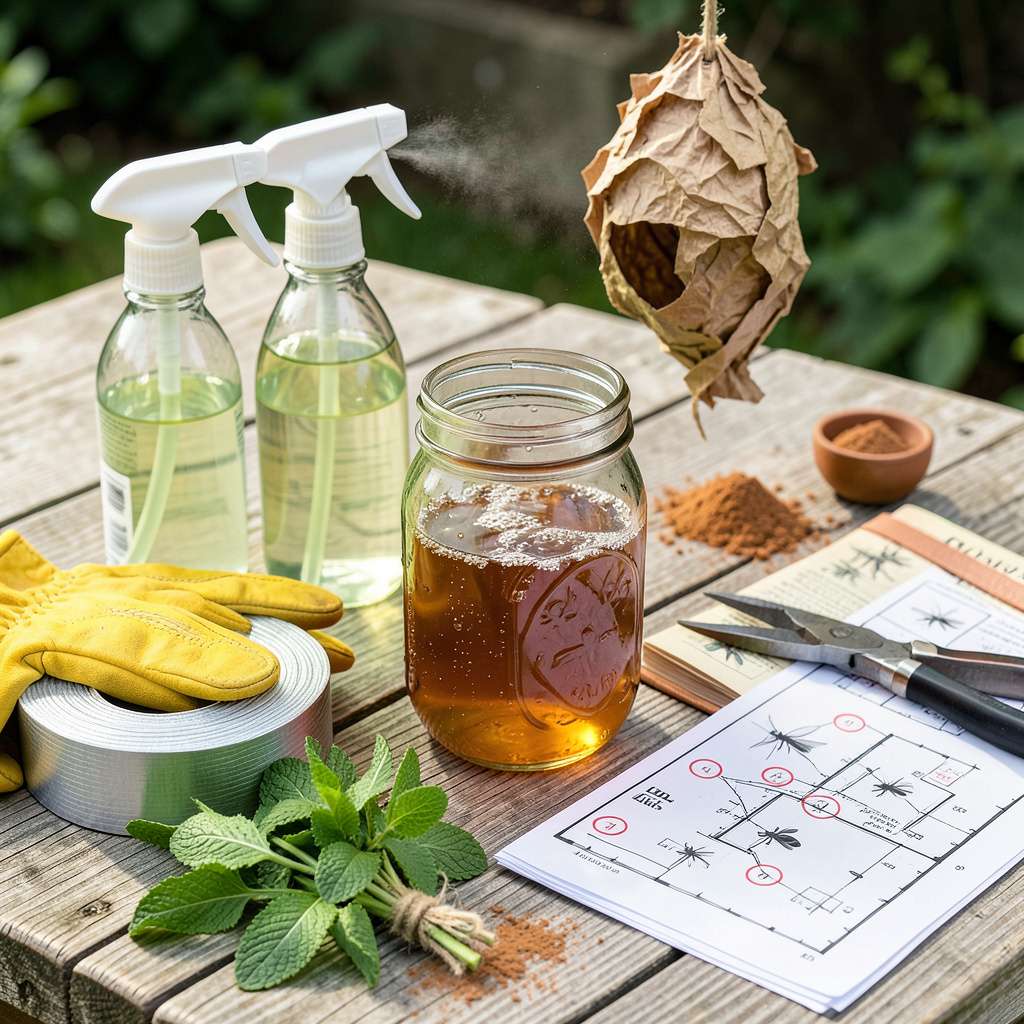
Wasps in the garden turn peaceful afternoons into stressful dodge-the-sting operations. I’ve dealt with my share of nests near my raised beds, and the key is acting before their numbers explode. The good news? You can encourage them to relocate without resorting to harsh chemicals that might harm your plants or pollinators.
Natural solutions work surprisingly well when you understand wasp behavior. A simple soap spray can deter scouts from building, while strategic traps placed away from your garden capture workers without attracting more. I keep a spray bottle of soapy water near my patio—it’s handled 90% of my wasp issues before they became real problems.
The real secret is prevention: removing food sources, sealing potential nest sites early in spring, and planting wasp-repelling herbs like mint or wormwood. My garden stays productive because I start these habits before wasp season peaks. You’ll notice fewer buzzing intruders within 48 hours of implementing the right combination.
Works for backyard gardens, container setups, and even community plots where you need to keep the peace with neighbors. Here’s exactly how to reclaim your space—safely and effectively.
📚 In This Guide
1 pair of thick work gloves (leather or nitrile-coated)
1 wasp spray (pyrethrin-based, 12–16 oz can) or 1 foam spray (for nests)
1 cup white vinegar + 1 cup water (spray mixture)
1 sealed plastic bag (for nest disposal)
Removing wasps doesn’t have to be dangerous—here’s the method I use to eliminate nests without getting stung.
Begin by observing wasp activity from a safe distance, ideally at dawn or dusk when they’re least aggressive. Look for flight patterns—wasps travel in straight lines between their nest and food sources. Common nesting sites include eaves, attic vents, hollow trees, and dense shrubbery.
Note the nest’s size and species if possible. Paper wasps build open, umbrella-shaped nests, while yellowjackets create enclosed, football-shaped ones. The larger the nest, the more cautious you’ll need to be. Never attempt removal if the nest is larger than a basketball—call a professional instead.
Wear long sleeves, pants, gloves, and a face covering—wasps will target exposed skin when threatened. I use a beekeeping veil for full head protection. Seal cuffs with duct tape to prevent wasps from crawling inside clothing. Remove pets and children from the area, and alert neighbors if the nest is near property lines.
Create an escape route before beginning treatment. Wasps become agitated during removal and will swarm aggressively. I always keep a clear path to shelter and avoid standing directly below the nest. Have a can of wasp spray ready with the nozzle extended for maximum reach.
Spray the nest thoroughly at dusk or night when all wasps are present and less active. Direct the stream into the nest opening for 10-15 seconds, then coat the exterior. The spray should create a visible foam layer—this ensures complete coverage. For ground nests, pour 1-2 cups of soapy water into the entrance; the soap clogs their breathing pores.
Wait 24 hours before approaching the nest again. You’ll know the treatment worked when you see no wasp activity and dead insects around the nest entrance. If you notice surviving wasps, repeat the treatment immediately—they’ll rebuild quickly if any survive.
Once all wasps are confirmed dead, carefully scrape the nest into a sealed plastic bag using a long tool like a broom handle. Avoid touching the nest directly—even dead nests can contain pheromones that attract new wasps. I double-bag the remains and dispose of them in an outdoor trash bin immediately.
Inspect the area for satellite nests or remaining wasps. Some species build multiple small nests nearby. Wipe down the area with soapy water to remove chemical traces that might attract scouts. Monitor the site for 3-5 days—new wasps attempting to rebuild will indicate incomplete removal.
Seal potential entry points like cracks in siding, gaps around windows, and holes in screens. I use 1/4-inch mesh to cover vents and openings—wasps can squeeze through surprisingly small spaces. Remove food sources by keeping outdoor eating areas clean and covering trash cans tightly.
Consider installing decoy nests in early spring—wasps are territorial and will avoid areas they believe are already claimed. Hang them in high-traffic areas before wasp season begins. Regularly inspect your property throughout summer, as queen wasps scout for new nesting sites continuously.
Here’s what I’ve learned from years of dealing with wasps—small details that make a big difference in safety and effectiveness.
Timing Strategy: The 24-hour waiting period after treatment is absolutely critical. I once made the mistake of checking a nest after just 12 hours, only to discover very alive and very angry wasps. That full day ensures all insects have either died or been exposed to the treatment. Don’t rush this step—patience prevents painful mistakes.
Equipment Selection: Not all wasp sprays are created equal. Look for products with a 20-foot reach or more—this gives you crucial distance from the nest. I also recommend sprays that create a visible foam layer upon application; that foam indicates thorough coverage of the nest’s surface and entry points.
Safety Protocol: When sealing your protective clothing, pay special attention to wrist and ankle openings. I’ve seen wasps crawl up pant legs and sleeves when there’s even the smallest gap. Use duct tape to seal cuffs completely, and consider wearing socks over your pant legs for extra protection. Remember, wasps will target any exposed skin when threatened.
Prevention Insight: The 1/4-inch mesh mentioned in Step 5 might seem excessive, but I’ve tested this—wasps can indeed squeeze through smaller openings. Pay particular attention to attic vents and gaps around utility lines entering your home. These are prime entry points that often get overlooked during standard home maintenance.
For a humane approach, use wasp traps with sugar water to relocate them or install decoy nests (wasps are territorial and avoid areas with existing nests). You can also plant wasp-repelling herbs like mint or basil near entry points. Just act at dusk or dawn when they’re less active.
What’s the best time of day to remove a wasp nest?
Early morning or late evening is ideal—wasps are sluggish and less aggressive when temperatures are cooler. Avoid midday when they’re most active. If using sprays, treat the nest at dusk for maximum effectiveness, as most wasps will be inside.
Yes, but with limits. A simple soda bottle trap with sweet bait (like fruit juice or jam) can catch scouting wasps, but it won’t eliminate a large nest. For bigger infestations, combine traps with nest removal or professional help. Replace bait every 2–3 days for best results.
If you see survivors, the nest might not be fully treated—or there’s a satellite nest nearby. Wasps also release pheromones to alert others. Reapply insecticide after 24 hours, seal entry points, and remove food sources (like open trash) to discourage returns.
Wasps do help ecosystems by pollinating and controlling pests like caterpillars. If the nest is small and far from high-traffic areas (e.g., a garden corner), consider leaving it. But if they’re near doorways, kids’ play areas, or allergies are a concern, removal is safest.
Dealing with wasps doesn’t have to be stressful! By identifying nests early, using safe removal methods (like traps or natural repellents), and preventing future infestations, you can reclaim your space—without the sting. 🐝✨ Remember, safety first: if the nest is large or hard to reach, calling a professional is always the smartest move.
Ready to take action? Start by inspecting your property today—small steps now save bigger headaches later! For stubborn wasp problems, check out our top-rated removal tools to make the job even easier.
