
Beautiful Plants For Your Interior
Beautiful Plants For Your Interior
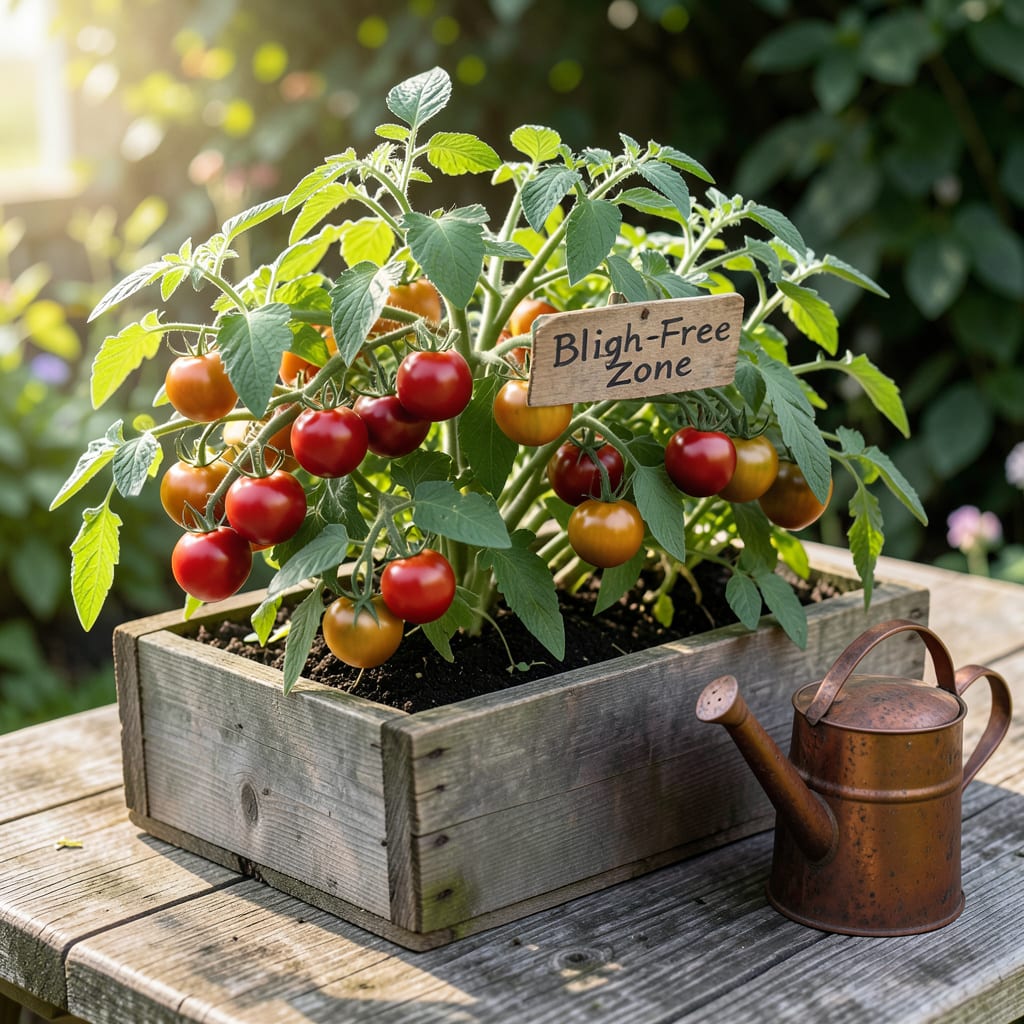
Tomato blight hit my garden like a freight train last summer. Leaves turned brown overnight, stems blackened, and my healthy plants collapsed faster than I could react.
Here’s the thing—blight isn’t just bad luck. It’s a fungal infection that thrives in wet conditions, and once it takes hold, it spreads like wildfire through your patch.
I fought it with every organic trick in the book. Copper sprays, resistant varieties, and strict garden hygiene turned the tide. Now my tomatoes stay vibrant and productive all season.
The key is catching it early and staying consistent. Your plants can bounce back stronger than you’d expect.
Tomato blight is a frustrating but preventable problem, and understanding its root causes is the first step toward a thriving garden. 🌱 Here’s why this disease takes hold and how it spreads:
Early blight (Alternaria solani) and late blight (Phytophthora infestans) are the primary fungal culprits. These pathogens thrive in warm, humid conditions (70–80°F for early blight; 60–70°F for late blight). Spores spread via wind, rain, or infected soil, landing on leaves and stems. Once established, they block nutrient flow, causing the telltale brown spots and wilting.
Overhead watering, poor drainage, or heavy rain creates a perfect breeding ground for blight. Wet foliage allows fungal spores to germinate and infect within hours. Drip irrigation or watering at the base (not the leaves) reduces this risk.
Blight fungi can overwinter in soil or last year’s plant debris. If you reuse soil or fail to remove infected plants, spores reactivate in spring. Crop rotation (avoiding tomatoes/peppers in the same spot for 3+ years) breaks this cycle.
Crowded plants trap moisture, creating a microclimate ideal for fungal growth. Thin seedlings, prune lower leaves, and space plants 18–24 inches apart to improve airflow and reduce humidity.
Infected pruners, stakes, or store-bought seedlings can introduce blight to your garden. Always sterilize tools with rubbing alcohol and inspect new plants for dark spots or yellowing leaves before planting.
Tomato blight can be frustrating, but these practical fixes will help you save your plants and prevent future outbreaks. Tackle each cause with targeted solutions—no green thumb required!
Consistency is key—act fast at the first sign of trouble, and stay proactive to keep your tomato patch thriving!
Yes, fungal spores can survive in soil and debris over winter. Remove all infected plant material and avoid composting it. Rotate crops and treat soil to prevent recurrence.
Late-stage blight is hard to reverse. Remove severely infected plants to protect others. Focus on prevention for remaining healthy plants.
Yes! Try ‘Mountain Merit’, ‘Defiant PhR’, or ‘Jasper’. These are bred for disease resistance but still need good care.
Yes, copper sprays are approved for organic use. Apply in early morning and reapply after rain for best results.
