
Beautiful Plants For Your Interior
Beautiful Plants For Your Interior
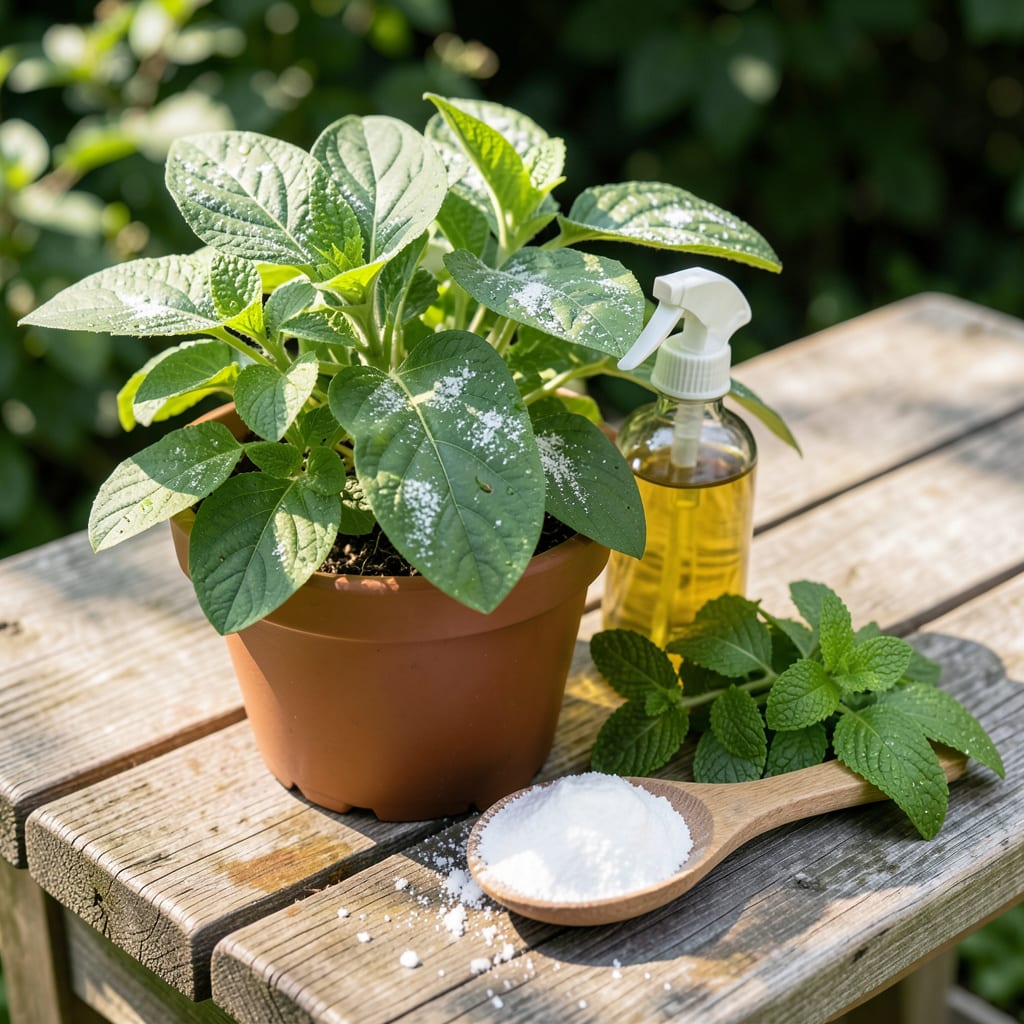
White powdery spots on your leaves mean trouble. I’ve battled mildew on everything from roses to zucchini, and the key is acting fast before it spreads to every plant in your garden.
This fungus thrives in humid conditions and poor air circulation, but it’s surprisingly easy to control with the right approach. A simple spray of baking soda and water often stops it in its tracks.
You’ll see improvement within 48 hours of treatment. The leaves clear up, new growth stays healthy, and your plants bounce back stronger than before.
Works for indoor and outdoor plants alike. Here’s how to tackle it without harsh chemicals.
Mildew on plants is a common issue, but it doesn’t appear out of nowhere. Understanding the root causes helps you prevent it before it starts. Here’s why your plants might be falling victim to this pesky fungus.
Mildew thrives in damp conditions. When plants are overwatered or exposed to high humidity (above 60%), fungal spores find the perfect breeding ground. Poor drainage or waterlogged soil directly contributes, as stagnant water prevents roots from breathing and encourages spore growth on leaves.
Stagnant air traps moisture around foliage, creating a microclimate that mildew loves. Crowded plants, dense canopies, or indoor setups without ventilation restrict airflow, allowing spores to settle and multiply. Even outdoor plants in still, shaded areas are at higher risk.
Mildew spores activate in moderate temperatures (60–80°F). Sudden drops in temperature at night can cause condensation on leaves, especially in greenhouses or indoor gardens. This moisture, combined with warmth, accelerates fungal growth.
Watering from above wets the leaves, and if they don’t dry quickly (especially in low light or high humidity), mildew takes hold. This is why drip irrigation or soaker hoses are recommended—they deliver water to the roots, keeping foliage dry.
Plants weak from nitrogen-heavy fertilizers or deficiencies in potassium/phosphorus are more susceptible. Over-fertilizing with nitrogen promotes lush, soft growth that’s less resistant to fungi, while a lack of key nutrients weakens the plant’s natural defenses.
Mildew on plants is manageable with the right approach. Here’s how to tackle each common cause—and prevent it from returning.
Prune dense foliage to allow airflow between leaves. Space plants farther apart, and if indoors, use a small fan on low to keep air moving. Prevention tip: Avoid crowding plants—give them room to breathe!
Let the top inch of soil dry out before watering again. Use a moisture meter or stick your finger in the soil to check. Water at the base of the plant, not the leaves. Prevention tip: Use well-draining soil and pots with drainage holes to avoid soggy roots.
Run a dehumidifier in stuffy rooms or group plants with a small desiccant like silica gel. Outdoors, water early in the day so leaves dry quickly. Prevention tip: Wipe leaves dry after misting or rain to discourage spore growth.
Remove the top layer of soil if mildew is present. For potted plants, repot with fresh, sterile mix. Prevention tip: Use a fungicide drench (like neem oil) every few weeks to keep soil healthy.
Strengthen plants with balanced fertilizer and proper light. Remove heavily infected leaves to stop the spread. Prevention tip: Keep plants healthy—stress makes them more vulnerable to mildew.
💡 Pro tip: Apply a baking soda spray (1 tsp baking soda + 1 quart water + a drop of dish soap) weekly as a natural preventative!
Yes, it weakens plants by blocking sunlight and reducing photosynthesis. Severe cases can stunt growth or kill the plant if left untreated.
Yes, mix 1 tablespoon of white vinegar with 1 gallon of water and spray lightly. Test on a small area first, as vinegar can burn sensitive leaves.
For natural sprays like baking soda or neem oil, reapply every 7-10 days or after rain. Consistency is key to keeping it from returning.
Mildew spores travel easily through air and water. Isolate infected plants and treat immediately to prevent contamination.
