
Beautiful Plants For Your Interior
Beautiful Plants For Your Interior
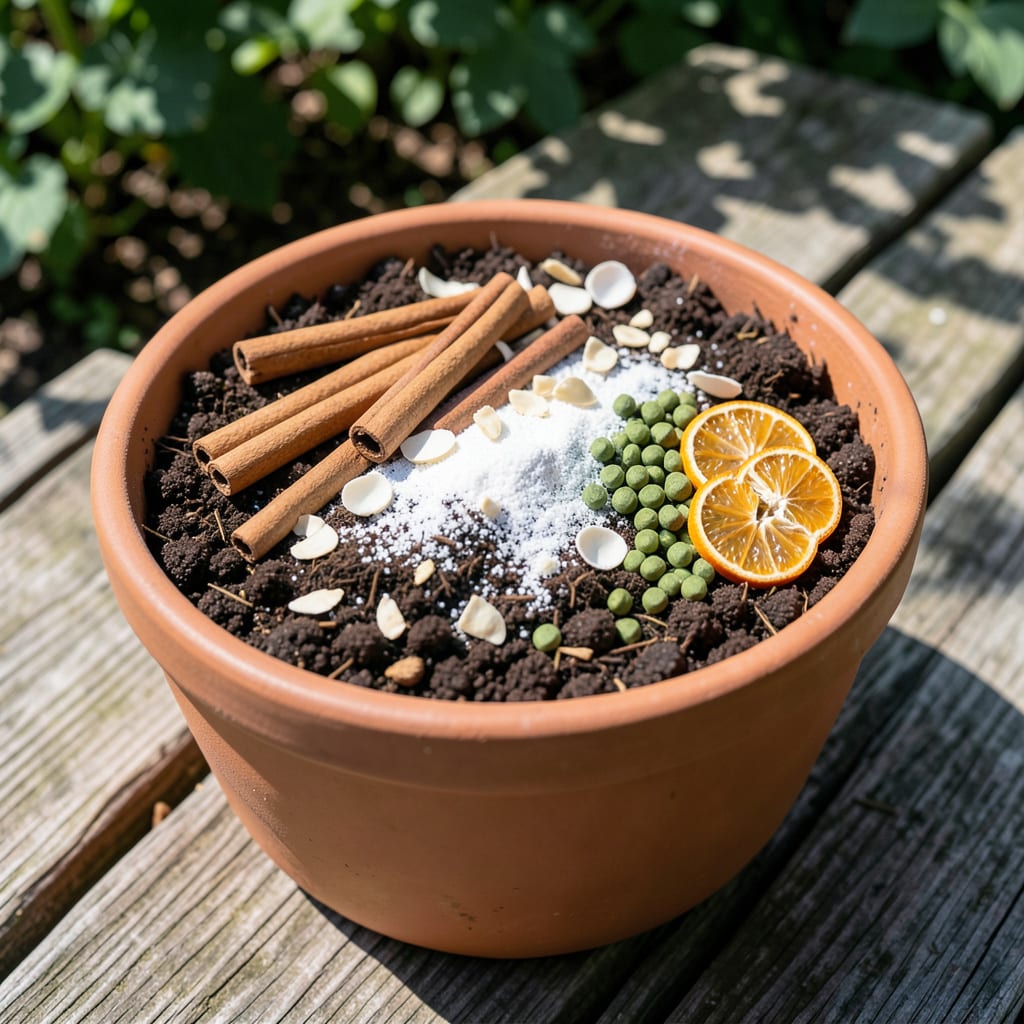
Tiny black flies ruining your outdoor garden? I’ve been there. Fungus gnats thrive in damp soil, but a few simple tweaks can break their life cycle for good.
Overwatering is usually the culprit. These pests love soggy conditions, so letting the top inch of soil dry out between waterings makes a huge difference. Yellow sticky traps catch adults fast.
A layer of sand or gravel on soil surfaces prevents eggs from hatching. Beneficial nematodes or hydrogen peroxide mixed into the soil target larvae directly.
Within 1-2 weeks, you’ll notice fewer gnats and healthier plants. No harsh chemicals needed—just consistent care and smart prevention.
Fungus gnats thrive outdoors in moist, organic-rich environments, and their presence is almost always tied to specific conditions. Here’s why they show up in your yard or garden:
Excess moisture in soil creates the perfect breeding ground for fungus gnats. These pests lay their eggs in damp, decaying organic matter, and the larvae feed on fungi and decomposing plant material. If your garden stays soggy due to poor drainage or frequent watering, it’s an open invitation for gnats to multiply.
Fungus gnats are attracted to rotting leaves, grass clippings, and compost piles. These materials provide both food (fungi and bacteria) and shelter for their larvae. If you leave organic debris untended, you’re essentially rolling out a welcome mat for gnats.
Thick layers of mulch or untreated wood chips retain moisture and trap organic material. While mulch is great for soil health, it can also harbor fungus gnat larvae if it stays wet and undisturbed for long periods. Aerating or turning mulch regularly can disrupt their lifecycle.
Compacted soil or areas with standing water (like low spots in a yard) prevent proper drainage, keeping the top layers of soil damp. Fungus gnats gravitate toward these spots because their eggs and larvae need consistent moisture to survive.
Fungus gnats thrive in damp, organic-rich environments, but a few targeted fixes can send them packing. Below are practical solutions mapped to common causes, plus prevention tips to keep them from returning.
If your outdoor pots or garden beds stay soggy, fungus gnats will lay eggs in the moist soil. Fix it: Reduce watering frequency and let the top 1–2 inches of soil dry out between waterings. For potted plants, ensure containers have drainage holes. Pro tip: 💡 Use a moisture meter to avoid overwatering.
Falling leaves, grass clippings, and compost piles attract fungus gnats. Fix it: Rake up leaf litter, clear plant debris, and turn compost regularly to disrupt their lifecycle. Keep mulch thin (under 2 inches) to limit breeding spots.
Compacted or waterlogged soil is a gnat paradise. Fix it: Mix in perlite, sand, or coarse bark to improve drainage. For garden beds, consider raised beds or amending heavy clay soil with organic matter.
Set up DIY traps to catch adult gnats. Fix it: Fill a shallow dish with apple cider vinegar and a few drops of dish soap; the gnats are drawn in and drown. Alternatively, use yellow sticky traps near infested areas.
With these adjustments, your outdoor space can stay gnat-free without harsh chemicals!
Fungus gnats can complete their lifecycle in 2-4 weeks in ideal moist conditions. One female can lay up to 200 eggs in damp soil, so populations explode quickly if unchecked.
Letting the top 1-2 inches of soil dry between waterings kills larvae and prevents egg-laying. However, combine this with removing decaying matter for best results.
Adults don’t damage plants, but larvae feed on roots and fungi in soil. Heavy infestations can stunt growth in seedlings and houseplants. Act fast to protect young plants.
Yes! Ground beetles, rove beetles, and beneficial nematodes naturally prey on larvae. Encourage these predators by avoiding chemical pesticides.
