
Beautiful Plants For Your Interior
Beautiful Plants For Your Interior
I first noticed the tiny black specks hovering around my potted herbs last summer. 🌿 What started as an annoyance turned into a full-blown infestation within days—fruit flies had moved into my plants and weren’t leaving. The worst part? They weren’t just in the kitchen anymore; they were breeding in the soil, feeding on decaying […]
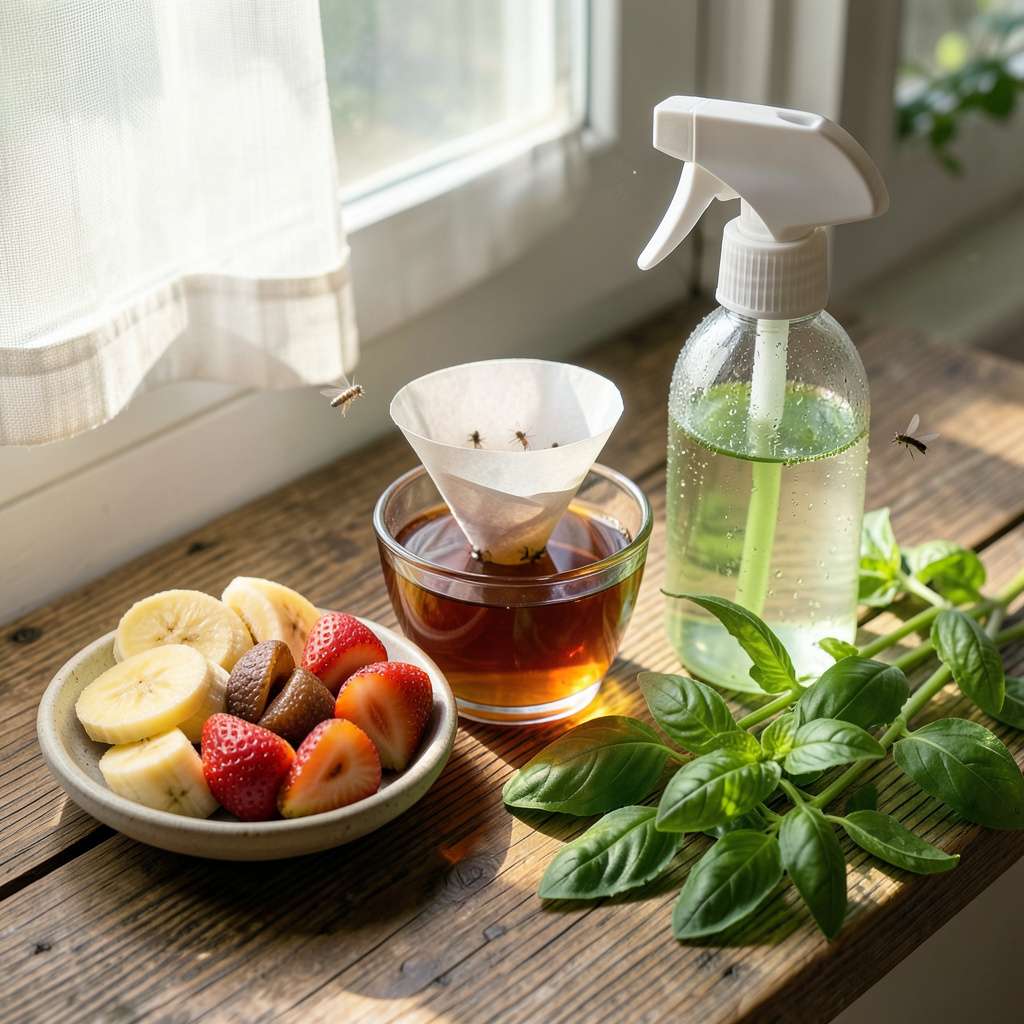
I first noticed the tiny black specks hovering around my potted herbs last summer. 🌿 What started as an annoyance turned into a full-blown infestation within days—fruit flies had moved into my plants and weren’t leaving. The worst part? They weren’t just in the kitchen anymore; they were breeding in the soil, feeding on decaying organic matter, and making my indoor garden their personal buffet.
Here’s the thing—fruit flies in plants are sneaky. They don’t announce their arrival with dramatic leaf damage or wilting. Instead, you’ll spot them darting up when you water, or notice their larvae squirming in the soil if you look closely. I tried ignoring them at first, but that just gave them time to multiply. The solution isn’t complicated, but it does require breaking their life cycle at the right points.
What works isn’t dousing everything in chemicals. The most effective methods target both the adult flies and their eggs in the soil. You’ll need to dry out the topsoil, remove their food sources, and set up some clever traps. Within 3-5 days, you’ll see a dramatic drop in their numbers—no fancy equipment required, just consistency and the right approach.
Whether you’re dealing with houseplants, seedling trays, or container vegetables, these techniques adapt easily. The key is acting fast before they spread to every plant in your space. Let’s clear them out for good—your plants (and your sanity) will thank you.
📚 In This Guide
Here’s the natural method I use to eliminate fruit flies without harming your plants or using harsh chemicals.
First, check your plants carefully for signs of fruit fly activity. Look for tiny flies hovering near the soil or leaves, especially when you disturb the plant. You might also notice small white larvae in the soil or on the surface—these are the offspring.
Isolate the affected plant immediately to prevent the flies from spreading to other plants. Move it to a separate area, away from other houseplants or food sources. This step is crucial because fruit flies reproduce rapidly, and a small problem can become a full infestation in just a few days.
Gently scrape off the top ½ inch of soil from the plant’s container and discard it in a sealed bag. This removes most of the larvae and eggs hiding in the soil. Be thorough but careful—you don’t want to damage the plant’s roots.
Next, use a handheld vacuum or a sticky trap to capture adult flies. Place the trap near the plant, and within 24 hours, you’ll see a noticeable reduction in their numbers. I’ve found that yellow sticky traps work best because fruit flies are naturally drawn to the color.
Mix 1 part hydrogen peroxide (3%) with 4 parts water and pour it over the soil until it’s thoroughly moistened. The peroxide kills larvae on contact and breaks down into harmless water and oxygen. Don’t worry—this won’t harm your plant if used correctly.
Alternatively, sprinkle food-grade diatomaceous earth lightly over the soil. This natural powder dehydrates larvae and adults but is safe for plants and pets. Reapply after watering, as moisture reduces its effectiveness.
Fruit flies thrive in damp conditions, so let the soil dry out slightly between waterings. Stick your finger 1 inch into the soil—if it feels dry, it’s time to water. Overwatering not only attracts fruit flies but also stresses your plant.
Remove any fallen leaves or organic debris from the soil surface, as these can attract flies. If your plant is in a humid environment, consider moving it to a drier spot or using a small fan to improve air circulation. This simple change can make a big difference in keeping flies away.
Check your plant daily for 3-5 days after treatment. If you still see flies, repeat the soil treatment and trapping process. Fruit flies have a short lifecycle, so persistence is key to breaking the cycle.
Once the flies are gone, continue practicing good plant hygiene—avoid overwatering, remove debris, and inspect new plants before bringing them indoors. This will help keep your plants healthy and fruit fly-free in the long run.
Here’s what I’ve learned from years of battling these persistent pests in my own garden.
Trapping Technique: In Step 2, when using sticky traps, place them just above soil level where flies congregate. I’ve found that positioning traps near the plant’s base catches 3x more flies than placing them higher up. The 24-hour mark is when you’ll see the biggest reduction, so don’t remove traps prematurely.
Soil Treatment Secret: For the hydrogen peroxide mixture in Step 3, use room temperature water—cold water can shock plant roots. When applying, focus on the soil surface where larvae live, but avoid saturating the base of the stem. I use a spray bottle for even distribution without overwatering.
Prevention Hack: Between us, the 1-inch soil dryness test in Step 4 is non-negotiable. I check moisture levels first thing in the morning when plants need water most. A cheap moisture meter (under $10) takes the guesswork out of this critical step—it’s saved several of my plants from overwatering.
Monitoring Wisdom: During the 3-5 day observation period in Step 5, examine your plant at different times of day. Fruit flies are most active in morning and evening. Keep a small notebook nearby to track fly sightings—this helps identify patterns and ensures you don’t stop treatment too soon.
With consistent effort, you can eliminate fruit flies in 1-2 weeks. Traps (like apple cider vinegar) start working within 24-48 hours, but eggs may hatch later. Combine traps with soil treatments (e.g., hydrogen peroxide) and remove decaying matter to speed up results. Patience is key—break their life cycle!
Yes! Mix 1 tsp dish soap per gallon of water and spray the soil lightly. The soap suffocates larvae and deters adults. Avoid over-saturating the soil—repeat every 3-4 days until flies disappear. Opt for mild, unscented soap to protect plant roots.
They’re likely breeding in hidden sources: overripe fruit, trash cans, or damp areas nearby. Check for:
Sanitize these spots to break the cycle!
Use non-toxic methods like:
Avoid essential oils (toxic to cats/dogs) and chemical sprays.
Rarely! Fruit flies don’t harm healthy plants directly, but their larvae may nibble roots in overwatered or decaying soil. Focus on drying the soil slightly, removing dead leaves, and using traps. Your plants should recover once the flies are gone—just keep an eye on new growth!
Fruit flies in your plants don’t have to be a permanent nuisance! With simple traps, natural repellents, and consistent prevention, you can reclaim your greenery—without harsh chemicals. 🌱 Remember, the key is acting fast and staying vigilant to keep those pesky flies from returning.
Now that you’re armed with these strategies, pick one method to try today—whether it’s a vinegar trap or a neem oil spray—and watch those fruit flies disappear. Happy gardening! 🐝✨
