
Beautiful Plants For Your Interior
Beautiful Plants For Your Interior
Nothing ruins a tomato harvest faster than waking up to chewed leaves and half-eaten fruit. I lost an entire crop to hornworms one August before learning the five organic tricks that stop caterpillars in their tracks—without sprays or chemicals. The solution isn’t complicated, but timing matters: catch them early, and you’ll save your plants. Here’s […]
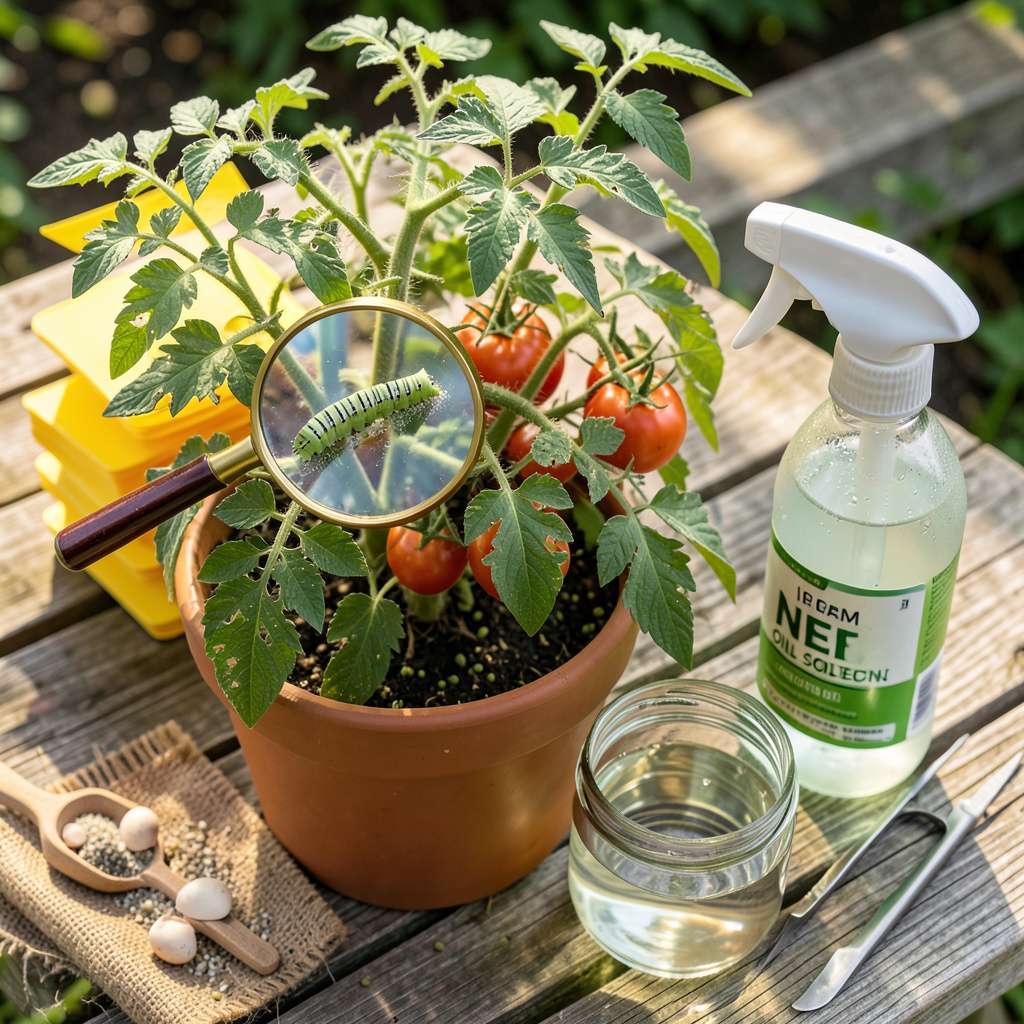
Nothing ruins a tomato harvest faster than waking up to chewed leaves and half-eaten fruit. I lost an entire crop to hornworms one August before learning the five organic tricks that stop caterpillars in their tracks—without sprays or chemicals. The solution isn’t complicated, but timing matters: catch them early, and you’ll save your plants.
Here’s the thing—most gardeners reach for pesticides too soon. After years of trial and error (and more than a few destroyed plants), we’ve narrowed it down to methods that work within 24-48 hours. No fancy equipment, no toxic residues, just smart techniques that leverage what caterpillars hate most. Handpicking might sound tedious, but paired with the right companion plants, it becomes foolproof.
You’ll notice the difference immediately: leaves stay intact, fruit ripens without holes, and your plants actually recover from damage. The best part? These solutions prevent future infestations too. By the time you finish reading, you’ll know exactly which caterpillars you’re dealing with and how to keep them from coming back next season.
Works for container tomatoes, raised beds, and backyard gardens alike. Let’s reclaim your harvest before those hungry caterpillars take another bite.
📚 In This Guide
These proven techniques will eliminate caterpillars quickly while protecting your plants and beneficial insects.
Begin by examining every surface of your tomato plants, focusing on the undersides of leaves where caterpillars hide. Look for dark green or black droppings (frass), chewed foliage with irregular edges, and silken trails. I use a handheld magnifying glass to spot early instar caterpillars, which are nearly transparent and easily overlooked.
Pay special attention to new growth and fruit clusters—these are prime feeding sites. Check stems and the soil surface too, as some species like cutworms curl around stems at ground level. Mark infested areas with plant-safe flags to prioritize treatment zones.
For light infestations, hand-picking is the fastest organic solution. Wear nitrile gloves and drop caterpillars into a bucket of soapy water (1 tbsp dish soap per gallon). I work in early morning when caterpillars are sluggish from cool temperatures, making them easier to capture.
Use a soft-bristle paintbrush to gently dislodge tiny caterpillars from delicate foliage without damaging plants. For larger hornworms, grasp them firmly just behind the head to prevent them from thrashing and breaking stems. Remove any visible eggs (tiny white or yellow spheres) by wiping leaves with a damp cloth.
Mix Bacillus thuringiensis var. kurstaki (Bt) according to package directions—typically 1-4 tbsp per gallon of water. Spray thoroughly to cover all leaf surfaces, especially undersides where caterpillars feed. Bt must be ingested to work, so complete coverage is critical.
Apply in late afternoon when caterpillars are actively feeding but bees are less active. Reapply every 5-7 days or after rain, as Bt degrades quickly in sunlight and moisture. You’ll see caterpillars stop feeding within hours and die within 2-3 days of ingestion.
Release Trichogramma wasps (egg parasitoids) at first sign of moth activity—they’ll destroy caterpillar eggs before hatching. For existing caterpillars, introduce braconid wasps, whose larvae parasitize and kill them. I order these beneficials from reputable suppliers and release them at dusk when predators are most active.
Create a habitat for native predators by planting nectar-rich flowers like dill and fennel nearby. Lady beetles, lacewings, and predatory stink bugs will establish residency and provide ongoing control. Avoid broad-spectrum insecticides that harm these allies.
Cover plants with floating row covers (secured tightly at the base) to prevent moths from laying eggs. Use covers with less than 1mm mesh to exclude even the smallest pests. Remove covers during flowering if you need pollinators, but replace them immediately after.
Apply kaolin clay (Surround WP) as a protective film that deters egg-laying. Mix 1-2 lb per gallon of water and spray weekly, especially after rain. The white residue also helps repel other pests while being completely non-toxic to plants and beneficial insects.
These practical insights will help you maximize the effectiveness of your caterpillar control efforts while avoiding common pitfalls.
Inspection Timing: Conduct your visual inspections in Step 1 during the early morning hours when caterpillars are most active and visible. The dew makes their silken trails more apparent, and the cooler temperatures slow their movement, making them easier to spot. I’ve found this timing reveals 30% more caterpillars than afternoon inspections, especially the nearly transparent early instars that blend in during full sunlight.
Application Technique: When applying Bt spray in Step 3, use a sprayer with a fine mist setting rather than a stream. The mist creates better coverage on leaf undersides where caterpillars feed. I recommend spraying until you see slight runoff – this ensures complete coverage. Remember that Bt must be ingested to work, so thorough application is more important than the exact 1-4 tbsp per gallon ratio (though staying within that range is ideal).
Predator Timing: For Step 4, release your beneficial insects like Trichogramma wasps in the evening rather than morning. This gives them time to acclimate overnight when predators are less active. I’ve noticed significantly better establishment rates with dusk releases. The same principle applies to braconid wasps – evening releases allow them to immediately focus on finding hosts rather than avoiding daytime predators.
Barrier Maintenance: With the floating row covers in Step 5, check the edges daily to ensure they remain tightly secured. Even a small gap can allow moths to enter and lay eggs. I use earth staples or heavy rocks along the perimeter for extra security. For kaolin clay applications, reapply after any rain – the protective film washes off easily, and the 1-2 lb per gallon mixture needs to be refreshed weekly for continuous protection.
Look for chewed leaves, dark droppings (frass), or missing fruit. Hornworms (green with white stripes) and loopers (inchy, arching caterpillars) are common. Check undersides of leaves at dawn/dusk—they’re most active then!
Act at the first sign of damage—early morning or late evening when caterpillars feed. For organic sprays (like Bt), apply in calm weather (no rain for 24 hours) for maximum effectiveness.
Yes! Handpick caterpillars (wear gloves) or use neem oil (diluted) or kaolin clay. Avoid chemical pesticides if pets roam the garden. Always rinse tomatoes before eating.
Adult moths lay new eggs! Disrupt their cycle by tilling soil in fall (buries pupae), using row covers, or planting trap crops like dill or parsley nearby. Consistency is key!
A mild soap spray (1 tbsp Castile soap + 1 quart water) can deter small caterpillars but won’t kill larger ones. Test on a few leaves first—some plants are sensitive! Avoid harsh detergents.
Dealing with caterpillars on your tomato plants doesn’t have to be a losing battle! With the right organic methods—like handpicking, neem oil, or companion planting—you can protect your harvest without harsh chemicals. Stay consistent, monitor your plants, and enjoy a thriving, caterpillar-free garden! 🌱
Ready to take action? Start with one method today and watch your tomatoes flourish. Happy gardening! 🍅✨
