
Beautiful Plants For Your Interior
Beautiful Plants For Your Interior
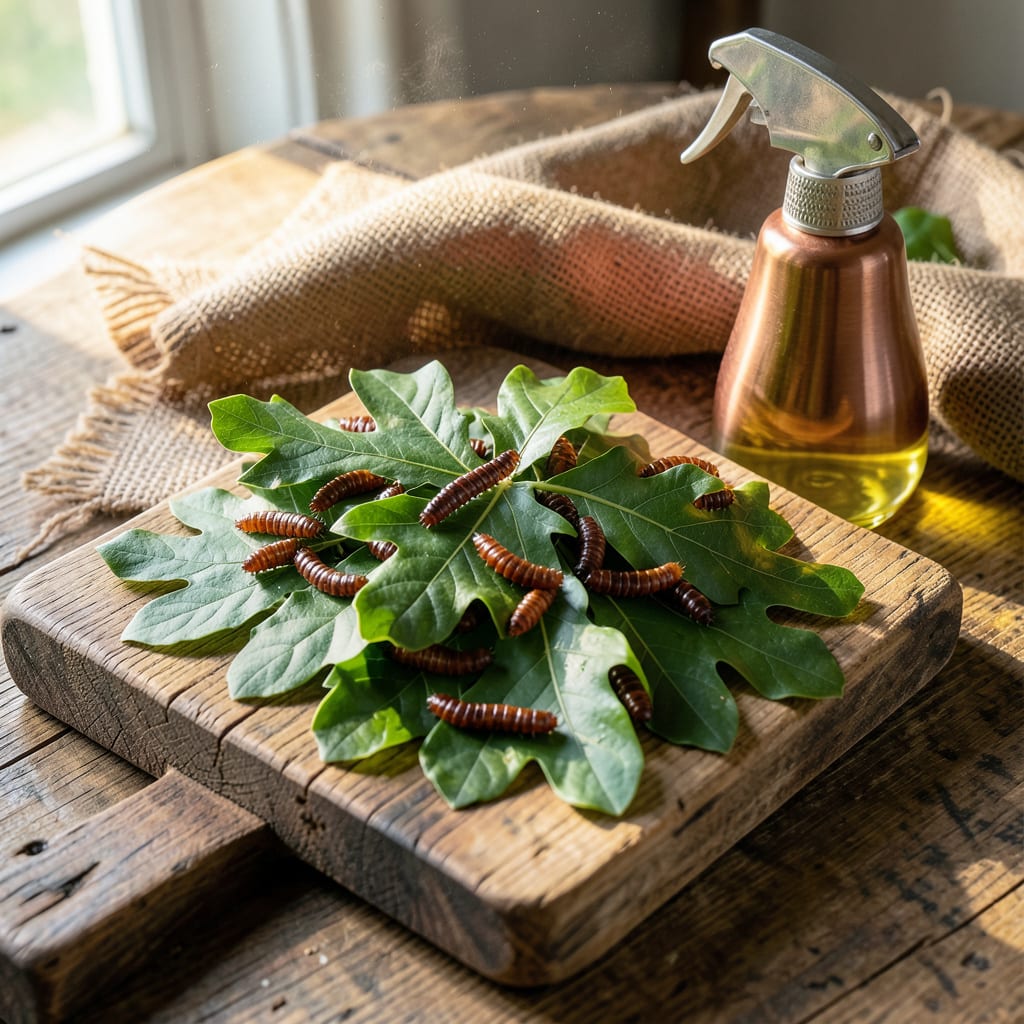
Skeletonized leaves in spring mean cankerworms are back. I lost an entire oak to these pests before learning how to stop them cold.
Natural methods work best—sticky bands, beneficial nematodes, and targeted sprays disrupt their life cycle. Chemical options exist but require precise timing to avoid harming other insects.
Prevention beats treatment every time. A fall cleanup and winter tree banding routine keeps them from ever reaching damaging numbers.
Works for shade trees, fruit trees, and ornamental plants. Here’s the battle plan that saved my garden.
Cankerworms, also known as inchworms or loopers, appear in your yard or garden for several specific reasons. Understanding these causes can help you prevent infestations and protect your trees and plants. Here’s why they show up:
Cankerworms are drawn to stressed or weakened trees, particularly elms, oaks, maples, and fruit trees. Trees under stress from drought, poor soil conditions, or disease produce fewer defenses against pests. Additionally, young or newly planted trees lack the maturity to resist these caterpillars, making them prime targets.
Female cankerworms lay eggs in the crevices of tree bark or fallen leaves in late fall. If leaf litter and garden debris are left unchecked, they create the perfect hiding and breeding ground for eggs to survive the winter. Come spring, the eggs hatch, and the larvae begin feeding on new foliage.
A healthy ecosystem includes birds, parasitic wasps, and predatory beetles that feed on cankerworms and their eggs. If your yard lacks biodiversity—due to pesticide overuse or habitat loss—cankerworm populations can multiply unchecked. Encouraging natural predators is a key preventive measure.
Cankerworm eggs are more likely to survive mild winters with little frost. Harsh freezes can kill off eggs, but warmer temperatures allow them to thrive. If your region experiences unseasonably warm winters, expect higher cankerworm activity the following spring.
Cankerworms can wreak havoc on your trees, but these targeted solutions will help you reclaim your yard. Below are practical fixes for common causes, along with prevention tips to keep them from returning.
If you spot cankerworms early, handpick them off leaves and branches. Drop them into soapy water to ensure they don’t return. For larger trees, use a burlap band around the trunk—cankerworms will hide under it during the day, making them easy to collect and dispose of in the morning.
Prevention tip: 💡 Inspect trees weekly in spring and fall to catch infestations before they spread.
Encourage natural predators like birds, parasitic wasps, and ground beetles. Install birdhouses or nesting boxes to attract insect-eating birds. Avoid broad-spectrum pesticides, which can harm these helpful allies.
Prevention tip: 🌡️ Plant native shrubs and flowers to create a habitat for beneficial insects.
Use neem oil or insecticidal soap to target cankerworms directly. Spray in the early morning or late evening when worms are most active. For severe cases, Bacillus thuringiensis (Bt) is a bacterial treatment that kills caterpillars without harming other wildlife.
Prevention tip: ✨ Apply a dormant oil spray in late winter to smother overwintering eggs before they hatch.
Cankerworms thrive on stressed trees. Keep your trees healthy with proper watering, mulching, and pruning. Remove and destroy heavily infested branches to prevent the spread.
Prevention tip: 🎯 Aerate the soil around trees to improve root health and resilience.
Early spring before eggs hatch is ideal. Apply dormant oil in late winter or use Bt spray as soon as you see new leaf damage.
Yes! Wrap 4-6 inch wide bands around trunks in fall. Female moths can’t crawl past to lay eggs above them.
No, use insecticidal soap specifically. Regular soap may harm plants and lacks the proper formulation to kill pests effectively.
