
Beautiful Plants For Your Interior
Beautiful Plants For Your Interior
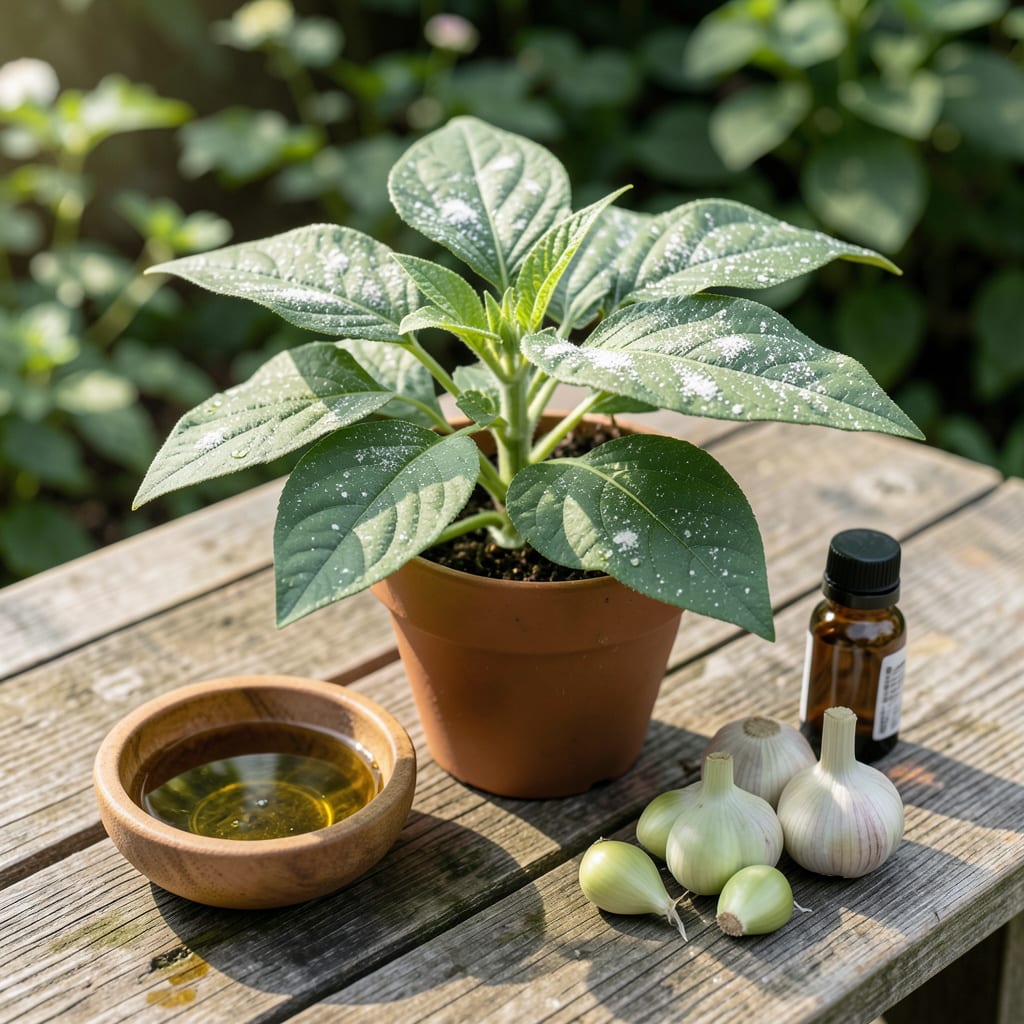
White spots, black patches, or wilting leaves? I’ve been there. Fungus sneaks in when conditions are too wet, too crowded, or too still—and it spreads fast if you don’t act.
My first run-in with powdery mildew nearly wiped out my zucchini. Now I catch it early with simple fixes: better airflow, less overhead watering, and a spray I mix from household staples.
You’ll see improvement within 3-5 days of treatment. The key is consistency—reapply after rain or watering, and keep an eye on new growth.
Works for houseplants, veggie gardens, and ornamentals. No fancy tools, just healthy plants that fight back.
Plant fungus doesn’t appear out of nowhere—it thrives when conditions are just right. Understanding the root causes helps you prevent and treat outbreaks effectively. Below are the most common triggers for fungal growth in plants.
Fungi love damp environments. Overwatering, poor soil drainage, or high humidity create the perfect breeding ground. When water lingers on leaves (foliar moisture) or roots sit in soggy soil, spores germinate and spread rapidly. Oxygen deprivation in waterlogged roots also weakens plants, making them more susceptible to infection.
Most fungal pathogens thrive in temperatures between 70–85°F (21–29°C) with relative humidity above 60%. Greenhouses, crowded plantings, or shaded areas with stagnant air trap moisture and heat, accelerating spore production. Even dew formation overnight can provide enough moisture for fungi like powdery mildew to take hold.
Stagnant air prevents moisture from evaporating, giving fungi a foothold. Dense foliage, overcrowded pots, or lack of pruning restrict airflow, especially in indoor gardens or thick canopies. Botrytis (gray mold) and downy mildew are notorious for exploiting these conditions.
Fungal spores can lurk in unsterilized potting mix, garden soil, or even on pruning shears and pots. Reusing contaminated tools or soil without treatment introduces pathogens directly to healthy plants. Fusarium and Verticillium wilt, for example, persist in soil for years, infecting new plantings.
Plants under stress—from nutrient deficiencies, pest damage, or improper light—have weakened immune systems. Fungi target these vulnerable hosts more aggressively. Over-fertilizing (especially with high nitrogen) can also promote lush, soft growth that’s more prone to fungal attacks like rust or anthracnose.
Tackling plant fungus starts with identifying the cause and applying the right fix. Here’s a practical guide to common fungal issues and their solutions, plus tips to keep your plants healthy long-term.
Mix 1 teaspoon of baking soda, 1 quart of water, and a few drops of dish soap. Spray this solution on affected leaves once a week until the mildew clears. Prevention tip: 💡 Improve air circulation around plants and avoid overhead watering to reduce humidity.
If roots are mushy and brown, trim the affected areas and repot the plant in fresh, well-draining soil. Use a copper-based fungicide to treat the remaining roots. Prevention tip: ✨ Ensure pots have drainage holes and water only when the top inch of soil is dry.
Dilute 1 tablespoon of neem oil in 1 gallon of water and spray on leaves every 7–10 days until spots disappear. Prevention tip: 🎯 Remove fallen leaves and debris around the plant to eliminate fungal spores.
Apply sulfur dust or a sulfur-based spray to infected leaves, focusing on the undersides where rust often starts. Repeat every 10 days until resolved. Prevention tip: 🌡️ Space plants properly to allow airflow and reduce moisture buildup.
For all treatments, apply in the early morning or late evening to avoid leaf burn from the sun. Consistency is key—stick with the routine until your plants bounce back!
Most natural remedies like baking soda or neem oil need reapplying every 7–10 days until symptoms disappear. For severe cases, stick to once a week and always reapply after rain or watering.
Yes! Baking soda, neem oil, and dish soap are effective for many fungal issues. Mix 1 teaspoon baking soda with 1 quart water and a few drops of soap for powdery mildew.
Apply sprays in the early morning or late evening to avoid leaf burn from the sun. Avoid treating during the hottest part of the day or when rain is expected within 24 hours.
Improve airflow, avoid overhead watering, and remove fallen leaves. Ensure pots have drainage holes and space plants properly to reduce humidity and moisture buildup.
