
Beautiful Plants For Your Interior
Beautiful Plants For Your Interior
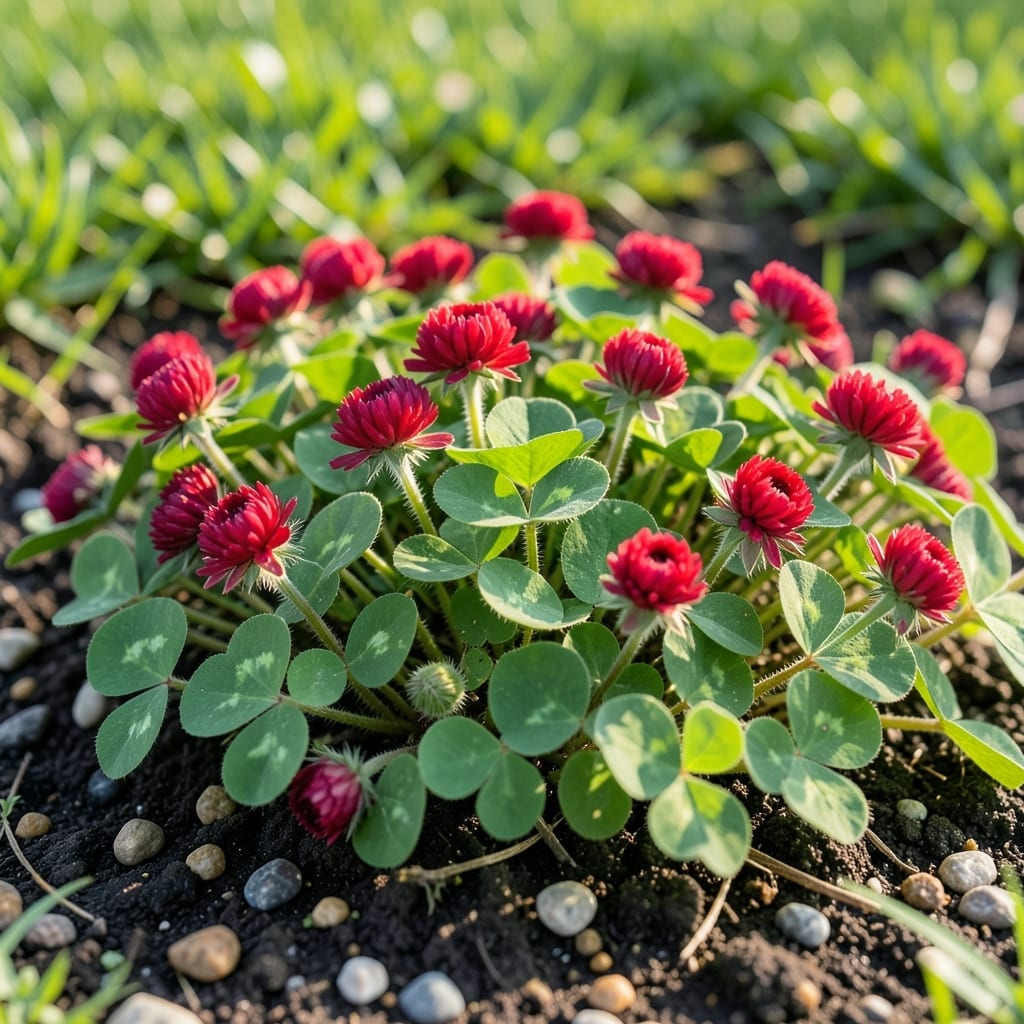
Crimson Clover 🌸 adds vibrant color and fertility to gardens, but its mature height often surprises new growers. Knowing its potential size helps plan your space effectively.
This spring favorite can reach impressive dimensions under the right conditions. Whether you’re planting for beauty or as a cover crop, understanding its growth pattern is the key to success.
I’ll share what to expect from Crimson Clover at full maturity and how to manage its growth. Let’s explore how tall this beneficial plant truly gets.


If you’re wondering how tall crimson clover gets, the answer varies. Under ideal conditions, this vibrant legume typically reaches 12 to 36 inches tall. That’s knee to waist height for most gardeners.
I’ve seen crimson clover hit the upper range in fertile, well-drained soil with full sun exposure. The plants grow upright with strong stems that support their bright red blossoms. ☀️
| Aspect | Specification |
|---|---|
| Typical Height | 12-36 inches |
| Growth Habit | Upright stems |
| Mature Width | 12-18 inches |
| Growth Rate | Fast in spring |
| Ideal Conditions | Full sun, moist soil |
In my experience, planting density affects height significantly. When sown thickly as a cover crop, plants may stay shorter due to competition. But with proper spacing, they can reach their maximum potential.
The first year of growth is when you’ll see the most dramatic change. From tiny seedlings to flowering plants, crimson clover can grow 1-2 feet in just a few months during spring. 🌱
Climate plays a role too. In cooler regions, the plants might stay on the shorter side, while in warmer zones with long growing seasons, they can exceed 2 feet. I’ve noticed this especially in USDA zones 6-9.
For comparison, white clover typically stays much shorter, usually under 6 inches. This makes crimson clover a better choice when you want taller ground cover that still allows light to penetrate.
If you’re using it for green manure, the height at which you cut it matters. Many gardeners mow when plants reach 12-18 inches to maximize nitrogen fixation before the stems get too woody.
The flowering stage is when you’ll see the most height gain. As the red blooms develop, the stems elongate to support them. This is also when the plants are most visually striking in the garden. 🌿
Remember that soil fertility impacts growth. In poor soils, crimson clover may stay shorter, while in rich, loamy soil, it can reach the upper end of its height range. A soil test before planting can help you predict growth.
Managing crimson clover height is simpler than you might think. I’ve found that mowing at the right time is the most effective way to control its growth. Cutting back when plants reach 12-18 inches encourages bushier, more compact growth. ☀️
Another trick is adjusting planting density. When sown thickly, plants compete for resources and naturally stay shorter. For taller displays, space seeds 6-8 inches apart to give them room to stretch upward.
Timing your planting also helps. Early spring sowing gives plants a head start, but they’ll grow more slowly in cooler temps. In contrast, late spring planting can lead to rapid, taller growth as temperatures rise.
I’ve learned that soil fertility plays a big role too. Rich soil promotes taller stems, while leaner soil keeps plants more compact. If you want to limit height, avoid high-nitrogen fertilizers, which can cause excessive vegetative growth.
For ornamental use, I recommend letting crimson clover reach its full 2-3 foot height for dramatic floral displays. But for cover cropping, keeping it shorter maximizes nitrogen fixation and prevents shading of companion plants. 🌱
Finally, don’t forget that water availability affects height. Consistent moisture encourages steady growth, while drought conditions may stunt the plants. Aim for 1 inch of water weekly for optimal, controlled growth.