
Beautiful Plants For Your Interior
Beautiful Plants For Your Interior
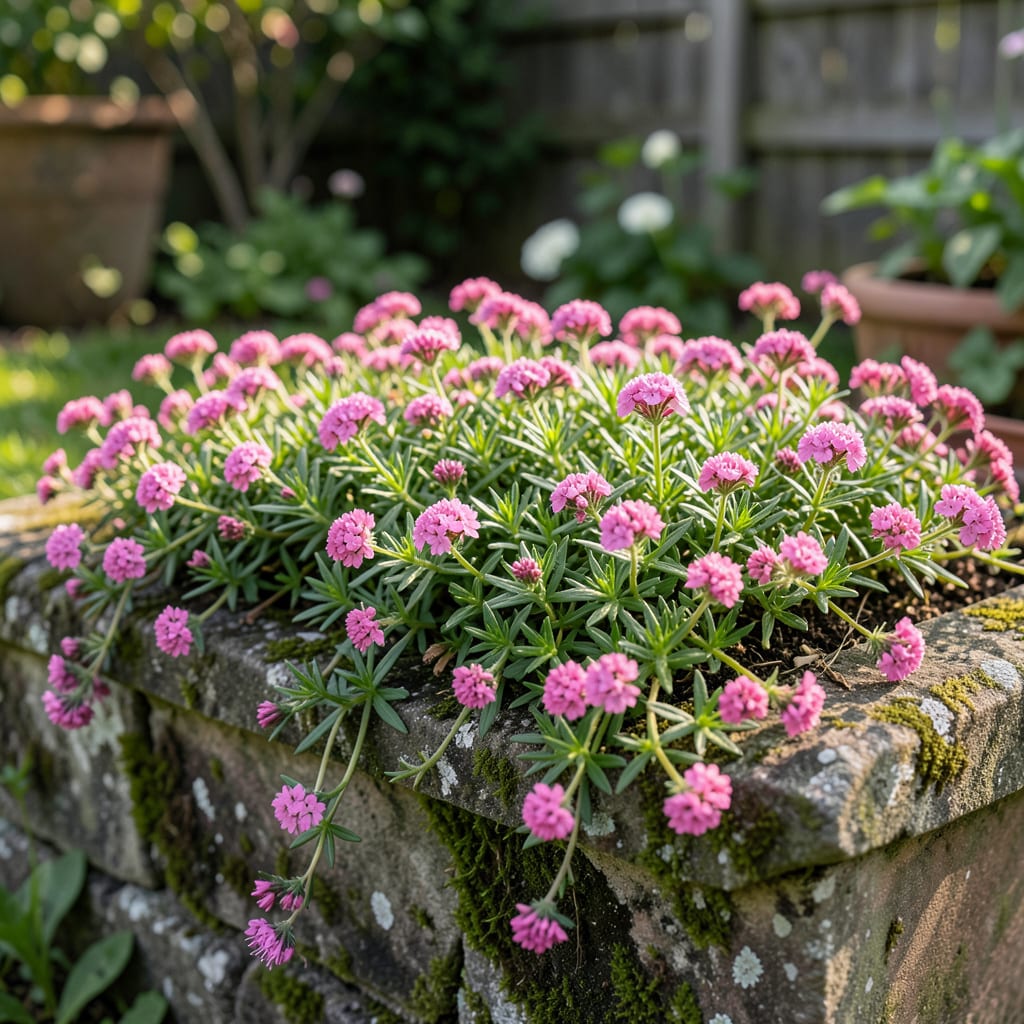
When planning your garden, understanding the growth habits of your plants is crucial. Creeping Phlox 🌸, a popular spring-blooming ground cover, typically grows between 0.3 to 1 foot tall, making it perfect for filling gaps between larger plants.
In USDA Zone 6, you can expect Creeping Phlox to spread beautifully, creating a vibrant carpet of color in the spring. Its low-growing nature makes it ideal for garden borders or rock gardens.


Creeping phlox is a versatile ground cover known for its vibrant spring blooms and spreading habit. When planning your garden, it’s essential to understand its growth height to create an effective design 🌸.
The typical height range of creeping phlox is between 0.3 to 1 foot, making it an excellent choice for filling gaps between larger plants or creating a beautiful carpet of color in rock gardens.
Creeping phlox is a low-growing, spreading ground cover that typically reaches a height of 0.3 to 1 foot. Its mature height is usually around 0.5 feet, making it an ideal choice for garden borders or rock gardens.
The growth habit of creeping phlox is characterized by its spreading nature, forming a dense mat of foliage and flowers. This makes it perfect for filling gaps between larger plants or creating a vibrant carpet of color in the spring.
One of the key benefits of creeping phlox is its ability to thrive in poor soil and tolerate some foot traffic. However, its height can be influenced by factors such as growing conditions, maintenance practices, and specific cultivars.
For example, creeping phlox grown in poor soil may be shorter than those grown in more fertile conditions. Similarly, regular maintenance practices like pruning can help control the height and promote a more compact growth habit.
When incorporating creeping phlox into your garden design, it’s essential to consider its height and spreading characteristics. By understanding how tall creeping phlox grows, you can create a beautiful and effective garden layout that showcases its vibrant spring blooms 🌼.
In USDA Zone 6, creeping phlox typically blooms in April and May, creating a stunning display of color. Its low-growing nature makes it an excellent choice for garden borders, rock gardens, or containers.
To get the most out of your creeping phlox, be sure to plant it in a location that receives full sun and has well-drained soil. With proper care and maintenance, creeping phlox can thrive and provide a beautiful display of color for years to come.
By understanding the height expectations of creeping phlox, you can create a garden design that showcases its unique characteristics and beauty. Whether you’re looking to fill gaps between larger plants or create a vibrant carpet of color, creeping phlox is an excellent choice 🌸.
In summary, creeping phlox typically grows between 0.3 to 1 foot tall, making it a versatile and attractive ground cover for a variety of garden designs. Its low-growing, spreading nature and vibrant spring blooms make it an excellent choice for garden borders, rock gardens, or containers.
Creeping phlox growth height can be influenced by several factors, including growing conditions, maintenance practices, and specific cultivars 🌼.
The height of creeping phlox can vary depending on the growing conditions. For example, plants grown in poor soil may be shorter than those grown in more fertile conditions. Additionally, creeping phlox grown in areas with full sun tend to be more compact than those grown in partial shade.
The height of creeping phlox can be influenced by growing conditions, maintenance practices, and specific cultivars. Understanding these factors can help you create a beautiful and effective garden design.
Maintenance practices, such as pruning, can also impact the height of creeping phlox. Regular pruning can help control the height and promote a more compact growth habit. Additionally, fertilization can affect the height of creeping phlox, with balanced fertilizers promoting healthy growth.
Different cultivars of creeping phlox can also vary in height. Some cultivars, such as ‘Emerald Blue’, tend to be more compact, while others, such as ‘Pink’, can be more vigorous and taller 🌸.
When incorporating creeping phlox into your garden design, it’s essential to consider these factors and choose the right cultivar for your needs. By understanding how tall creeping phlox grows and how to manage its height, you can create a beautiful and effective garden layout.
In summary, the height of creeping phlox is influenced by a combination of growing conditions, maintenance practices, and specific cultivars. By understanding these factors, you can create a garden design that showcases the unique characteristics and beauty of this versatile ground cover 🌼.
Creeping phlox is a versatile ground cover that can be used in various garden designs, thanks to its low-growing and spreading nature 🌸.
When incorporating creeping phlox into your garden layout, it’s essential to consider its height and spreading characteristics to create a beautiful and effective design.
To get the most out of your creeping phlox, be sure to plant it in a location that receives full sun and has well-drained soil. With proper care and maintenance, creeping phlox can thrive and provide a beautiful display of color for years to come.
By understanding the height expectations of creeping phlox and incorporating it into your garden design, you can create a beautiful and effective garden layout that showcases its unique characteristics and beauty 🌸.
In summary, creeping phlox is a versatile ground cover that can be used in various garden designs, thanks to its low-growing and spreading nature. By considering its height and spreading characteristics, you can create a beautiful and effective garden layout.
Creeping phlox typically grows between 0.3 to 1 foot tall, making it an excellent choice for filling gaps between larger plants or creating a beautiful carpet of color in rock gardens. Its mature height is usually around 0.5 feet. This low-growing nature makes it perfect for garden borders or containers.
Yes, you can control the height of creeping phlox through regular pruning. Pruning helps maintain a compact growth habit and promotes healthy growth. It’s best to prune after the blooming period in spring. Regular maintenance like pruning can keep your creeping phlox looking its best.
Soil quality significantly impacts the height of creeping phlox. Plants grown in poor soil may be shorter than those in more fertile conditions. Ensuring your soil is well-drained and fertile can help your creeping phlox reach its full potential height. Adding organic matter can improve soil fertility and drainage.
Absolutely! Creeping phlox can thrive in containers, making it an excellent choice for small gardens or patios. When growing in containers, ensure they receive full sun and have well-drained soil. Container gardening allows you to control the soil quality and drainage more effectively.
