
Beautiful Plants For Your Interior
Beautiful Plants For Your Interior
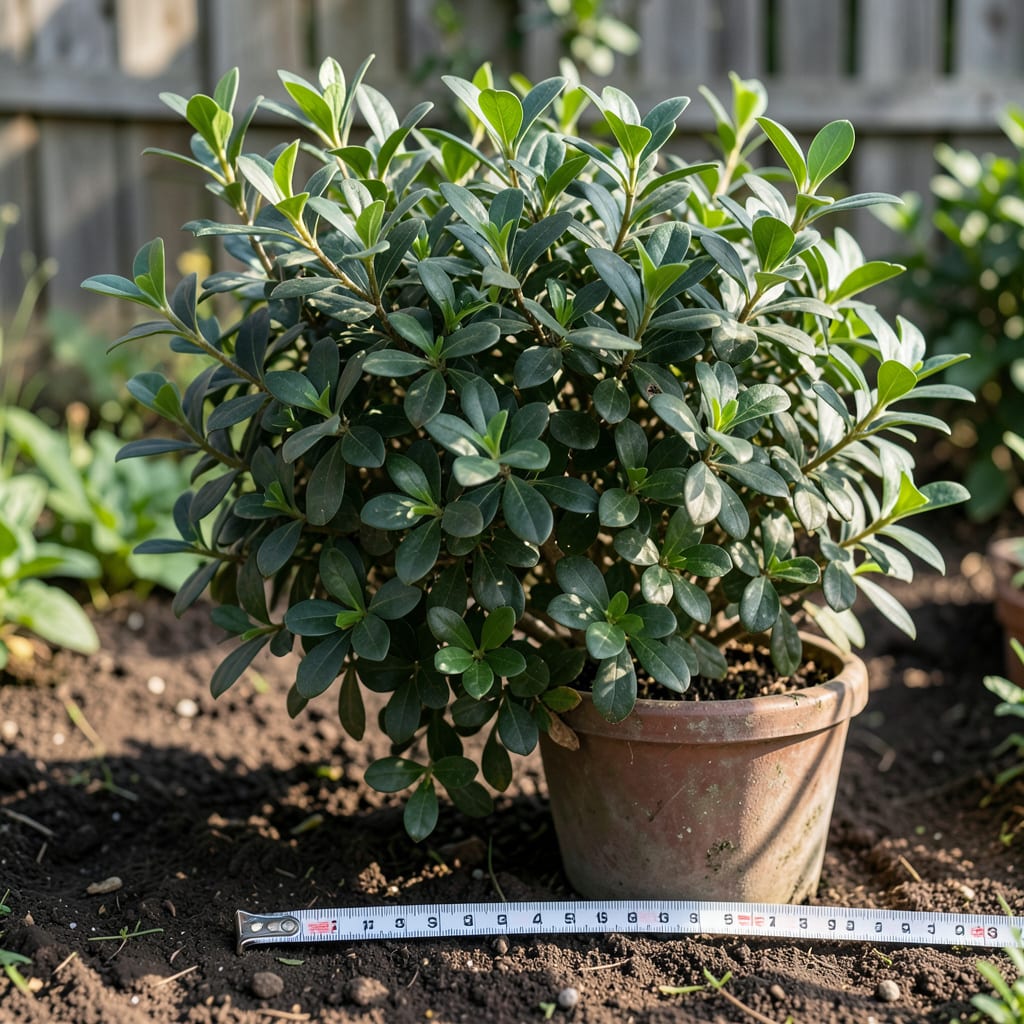
When planning your garden, understanding how tall your plants will grow is crucial. Privet 🌳, a popular choice for hedges, can reach varying heights depending on several factors.
Knowing the maximum height potential of your Privet is essential for effective landscaping in USDA Zone 6. Let’s explore the growth habits of this versatile shrub and what you can expect in terms of height.


Ligustrum, or privet, is a versatile shrub that can grow to varying heights depending on several factors. Understanding these factors is crucial for effective garden planning and maintenance 🌳.
The height of ligustrum plants can be influenced by their species, growing conditions, and maintenance practices. Different species have different growth habits and maximum heights. For example, some species are naturally more compact, while others can grow quite tall.
Understanding these factors helps gardeners predict and manage the height of their ligustrum plants. Proper care and maintenance can ensure that these shrubs reach their full potential while maintaining a desired height 🌿.
The growth rate of ligustrum is generally moderate to fast, with some species growing up to 3 feet per year under ideal conditions. However, the overall height can be influenced by the specific growing conditions and how well the plant is maintained.
In terms of maximum height, different ligustrum species can range from 3 to 15 feet tall. The dwarf varieties typically top out at around 3-5 feet, while standard varieties can reach heights of 10-15 feet or more.
Soil quality plays a significant role in ligustrum height growth. Plants grown in well-draining, nutrient-rich soil tend to grow more vigorously than those in poor soil conditions.
Sunlight exposure is another critical factor. Ligustrum generally thrives in full sun to partial shade, with more sunlight typically leading to more vigorous growth and potentially greater height.
Water availability also affects ligustrum growth. Consistent moisture, especially during the first year after planting, is crucial for establishing a strong root system that supports healthy growth.
By understanding and managing these factors, gardeners can effectively control the height of their ligustrum plants and achieve their desired landscaping goals. Whether you’re looking for a compact hedge or a taller privacy screen, ligustrum can be a versatile and attractive option 🌼.
Ligustrum, or privet, comes in various species, each with its own growth characteristics and maximum height potential. Understanding these differences is essential for gardeners to make informed decisions about which species to plant 🌳.
The height of ligustrum plants can vary significantly between species. Some species are naturally more compact, while others can grow quite tall. Let’s examine the maximum height potential of different ligustrum species and how they respond to pruning and training.
The Japanese Ligustrum is known for its vigorous growth and can reach heights of 10-15 feet if left unpruned. It tolerates regular pruning well, making it a popular choice for hedges and topiaries 🌿.
Chinese Ligustrum is another common variety that can grow between 6-12 feet tall. It responds well to frequent pruning, allowing gardeners to maintain a desired height or shape.
Dwarf Ligustrum varieties are more compact, typically growing between 3-6 feet tall. They require only occasional pruning to maintain their shape, making them ideal for smaller gardens or borders 🌼.
When selecting a ligustrum species, consider the mature height and growth habits to ensure it fits your landscaping needs. Proper pruning and maintenance can help control the height and promote healthy growth 🌱.
By understanding the maximum height potential of different ligustrum species, gardeners can make informed decisions and achieve their desired landscaping goals. Whether you’re looking for a tall privacy screen or a compact hedge, there’s a ligustrum species to suit your needs 🌸.
Effective management of ligustrum height is crucial for achieving desired landscaping goals. Proper pruning techniques and maintenance strategies can help control the height and promote healthy growth 🌳.
Regular pruning is essential for maintaining the desired height of ligustrum plants. Pruning not only controls the height but also encourages dense foliage, making it ideal for hedges and topiaries.
Prune ligustrum in late winter or early spring to maintain shape and promote healthy growth. Use sharp, clean pruning tools to prevent damage to the plant.
The frequency of pruning depends on the growth rate of the ligustrum and the desired height. For formal hedges, pruning may be necessary multiple times during the growing season.
Pruning Techniques: Use sharp, clean pruning tools to prevent damage to the plant. Make clean cuts just above a leaf node to encourage new growth.
Growth Control Methods: Regular maintenance pruning helps control the height and promotes a dense, bushy habit. For taller ligustrum varieties, consider using a pruning strategy that involves cutting back the tips to encourage branching.
By implementing these pruning techniques and maintenance strategies, gardeners can effectively manage the height of their ligustrum plants and achieve their desired landscaping goals 🌼.
Whether you’re looking to maintain a compact hedge or a taller privacy screen, proper management of ligustrum height is key to successful landscaping 🌱.
Regular monitoring and adjustment of pruning practices will help ensure that your ligustrum plants remain healthy and achieve the desired height 🌸.
Ligustrum generally grows at a moderate to fast rate, with some species growing up to 3 feet per year under ideal conditions. Proper care and maintenance can support healthy growth. Regular pruning helps control the height and promotes dense foliage.
Different ligustrum species vary significantly in height. Japanese Ligustrum can reach 10-15 feet, while Chinese Ligustrum grows between 6-12 feet tall. Dwarf varieties typically top out at 3-6 feet. The specific growing conditions also impact the final height.
Yes, regular pruning is essential for maintaining the desired height. Prune in late winter or early spring using sharp, clean tools. Make cuts just above a leaf node to encourage new growth. This helps control height and promotes a dense, bushy habit.
Several factors influence ligustrum height, including species variation, growing conditions (soil quality, sunlight, water), and maintenance practices (pruning frequency). Understanding these factors helps predict and manage plant height effectively. Proper care ensures plants reach their full potential while maintaining desired height.
