
Beautiful Plants For Your Interior
Beautiful Plants For Your Interior
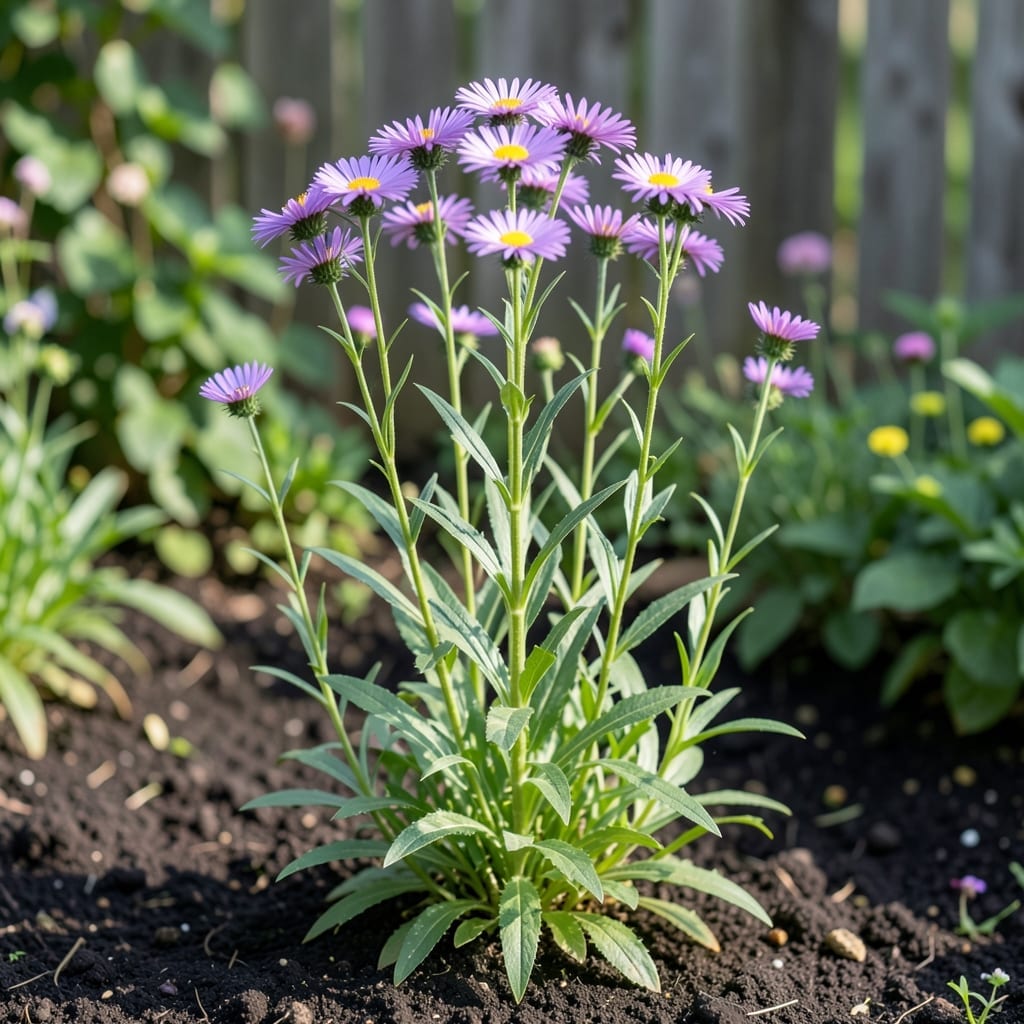
Imagine your garden bursting with 🌼 Asters, their vibrant blooms adding life to your landscape. But here’s the thing – these beauties don’t all grow the same size.
From compact ground covers to impressive perennials, their height can surprise you. Some varieties stay under 1 foot, while others stretch up to 6 feet tall.
This variation means you’ll need to plan carefully. The right placement can make or break your garden’s aesthetic.
Discover how to use their diverse heights to your advantage, creating a stunning, multi-dimensional space that thrives.


If you’re planning a garden with asters, knowing their mature height is key. These perennials range from tiny dwarf varieties to towering giant cultivars, each suited to different landscape roles. I’ll help you pick the perfect fit.
From 6-inch ground covers to 6-foot-tall statement plants, asters offer incredible diversity. Your choice should match your garden design and spacing needs. Let’s explore the most popular options.
| Aster Variety | Typical Height | Best Garden Use |
|---|---|---|
| Alpine Aster | 6-12 inches | Rock gardens, borders |
| New England Aster | 3-6 feet | Back of borders, wildflower meadows |
| Wood Aster | 1-3 feet | Woodland gardens, shade areas |
| Dwarf Aster | 1-2 feet | Containers, edging |
| Smooth Aster | 2-4 feet | Prairie gardens, pollinator patches |
The Alpine aster is your go-to for low-growing beauty. At just 6-12 inches tall, it thrives in rock gardens or as a border plant. Its compact size makes it ideal for small spaces.
For mid-height impact, Wood asters reach 1-3 feet. They adapt well to shady conditions and pair beautifully with ferns or hostas. I love their delicate, star-like blooms.
If you want dramatic height, New England asters can grow 3-6 feet tall. These bold plants work perfectly at the back of borders or in wildflower meadows. Their vibrant purple blooms attract pollinators.
The Smooth aster strikes a balance at 2-4 feet. It’s a favorite for pollinator gardens and naturalized areas. Its upright growth habit adds structure without overwhelming the space.
For container gardening, dwarf asters stay under 2 feet. They’re perfect for pots or window boxes, bringing color to patios and balconies. Their compact size makes them easy to maintain.
Remember, height can vary based on growing conditions. Rich soil and full sun typically produce the tallest plants. In shadier spots, expect slightly shorter stature.
Always check the mature size on the plant tag before purchasing. This ensures you place your asters in the right spot from the start, avoiding future transplanting.
With so many height options, you can layer asters throughout your garden. Pair tall varieties with ornamental grasses and shorter ones with ground covers for a dynamic look.
Managing aster height is key to a polished garden. I’ve found that pruning in early summer encourages bushier growth and prevents flopping in taller varieties. Even dwarf asters benefit from a light trim to maintain shape.
For tall aster species, staking or planting in groups provides natural support. I always space my New England asters about 18-24 inches apart to allow airflow while controlling their 4-6 foot height.
I’ve also had success with successive planting of different aster heights. Place low-growing alpine asters at the front of borders and taller New York asters toward the back for a layered effect.
Don’t forget that soil conditions affect height too. Rich, well-draining soil encourages vigorous growth, while leaner soil may keep plants more compact. I always amend my beds with compost for consistent results.
Finally, watering deeply but infrequently helps asters develop strong stems. I water mine once a week during dry spells, which seems to keep them sturdy and upright through the season.
☀️