
Beautiful Plants For Your Interior
Beautiful Plants For Your Interior
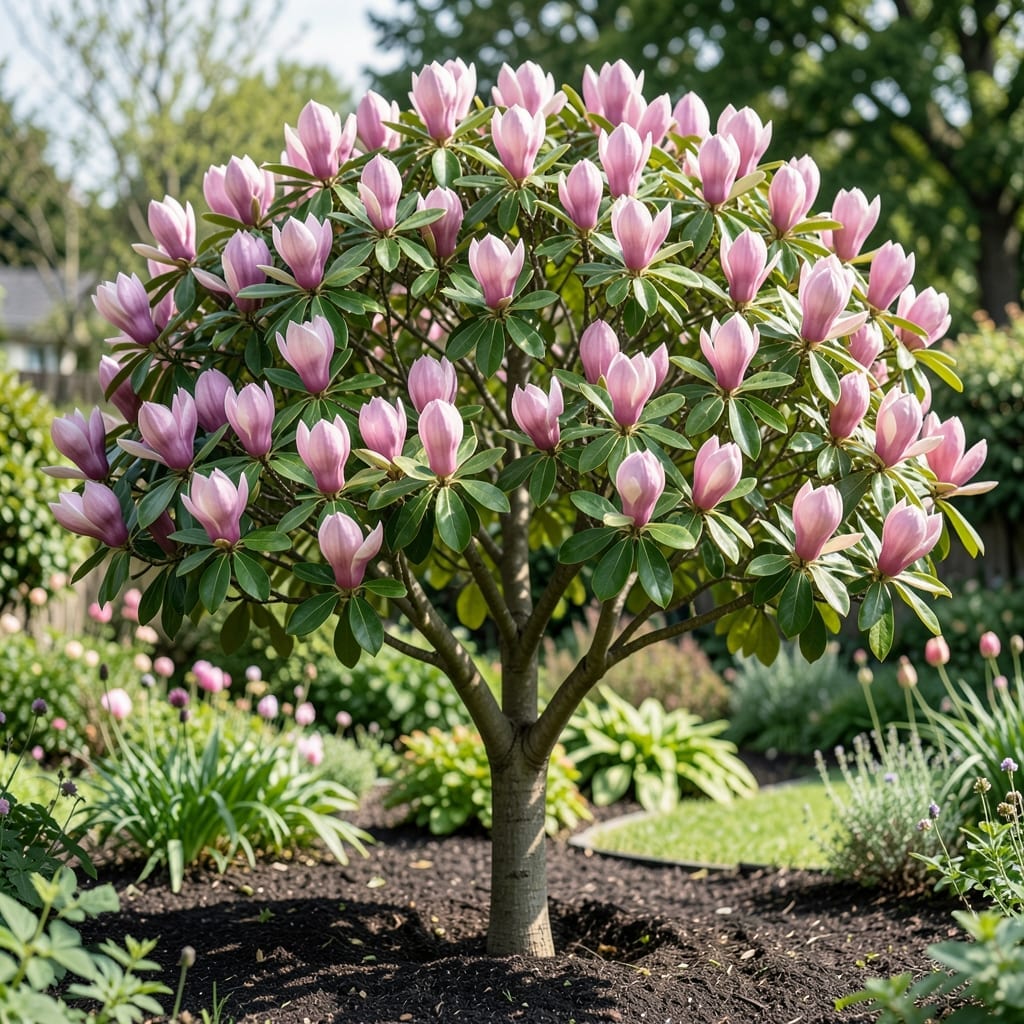
Magnolias are beloved for their stunning blooms and elegant form, but their growth rate often surprises new gardeners. Understanding how quickly these 🌳 trees grow helps you plan your landscape with realistic expectations.
I remember planting my first Magnolia and waiting eagerly for it to reach its full potential. What I discovered about their growth timeline completely changed my approach to caring for them.
Whether you’re planting a Southern Magnolia or a dwarf variety, knowing the typical growth patterns is the key to success. These trees don’t rush, but their steady progress is worth the wait.
Let me walk you through what to expect from these beautiful trees, from their early years to full maturity. You’ll be amazed at how they transform your space over time.


If you’re planting a magnolia tree, you might be surprised to learn these beauties aren’t all fast growers. I’ve seen gardeners expect rapid height gains only to find their Southern Magnolia adding just a foot or two per year.
Growth rates vary dramatically by variety. Some, like the Saucer Magnolia, can grow 12-24 inches annually under ideal conditions, while others take a more leisurely approach to reaching their mature height.
| Variety | Annual Growth | Mature Size |
| Southern Magnolia | 12-24 inches | 60-80 ft tall |
| Saucer Magnolia | 12-24 inches | 20-25 ft tall |
| Star Magnolia | 6-12 inches | 15-20 ft tall |
| Little Gem Magnolia | 12-18 inches | 12-20 ft tall |
| Jane Magnolia | 6-12 inches | 10-15 ft tall |
I always tell gardeners that dwarf varieties like Little Gem are perfect for smaller spaces. They grow at a moderate pace but stay compact, reaching about 12-20 feet at maturity.
The Star Magnolia is one of the slowest growers, adding only 6-12 inches annually. This makes it ideal for smaller gardens where space is limited.
For faster results, consider the Saucer Magnolia. In my experience, this variety can add 2 feet per year when given full sun and well-draining soil.
Climate plays a huge role too. In warmer zones (7-9), magnolias generally grow faster than in cooler areas. I’ve noticed trees in zone 4 might grow 30% slower than their southern counterparts.
Soil conditions are another critical factor. Magnolias prefer slightly acidic soil (pH 5.5-6.5). When I’ve tested soil that’s too alkaline, the growth rate drops significantly.
Remember, even fast-growing magnolias take 10-15 years to reach full maturity. Patience is key with these ornamental trees. The wait is always worth it for those spectacular blooms! 🌳
In my own garden, I’ve found that consistent watering during the first 2-3 years helps establish a strong root system, which in turn accelerates growth in subsequent years.
I’ve learned that magnolia growth rates aren’t just about the variety—your care choices make a huge difference. These trees thrive under the right conditions, but neglect can stunt their progress for years.
From sunlight exposure to soil quality, every detail matters. I’ll share the top 5 factors that determine how quickly your magnolia will reach its full, gorgeous potential. 🌳
6+ hours of direct sunlight daily maximizes growth and flowering.
Aim for a pH of 5.5-6.5 and avoid soggy soil to prevent root rot.
Deep watering weekly (more in heat) keeps roots strong and growth steady.
Use a 10-10-10 or 12-4-8 fertilizer in spring and fall for optimal growth.
Remove dead branches in late winter to redirect energy to new growth.
I always tell fellow gardeners that sunlight is non-negotiable. Without enough light, magnolias grow slowly and sparsely, with fewer blooms. Aim for a spot with morning sun and afternoon shade in hotter climates.
Soil is another game-changer. Magnolias hate wet feet, so if your yard has heavy clay, amend it with organic matter like compost. This improves drainage and gives roots room to expand.
Watering deeply but infrequently encourages strong root systems. I use a soaker hose to deliver water directly to the roots, avoiding leaf wetness that can lead to disease.
For fertilization, I stick to a slow-release option in early spring. A light feeding in fall helps prepare the tree for winter. But remember, over-fertilizing can do more harm than good. ✂️