
Beautiful Plants For Your Interior
Beautiful Plants For Your Interior
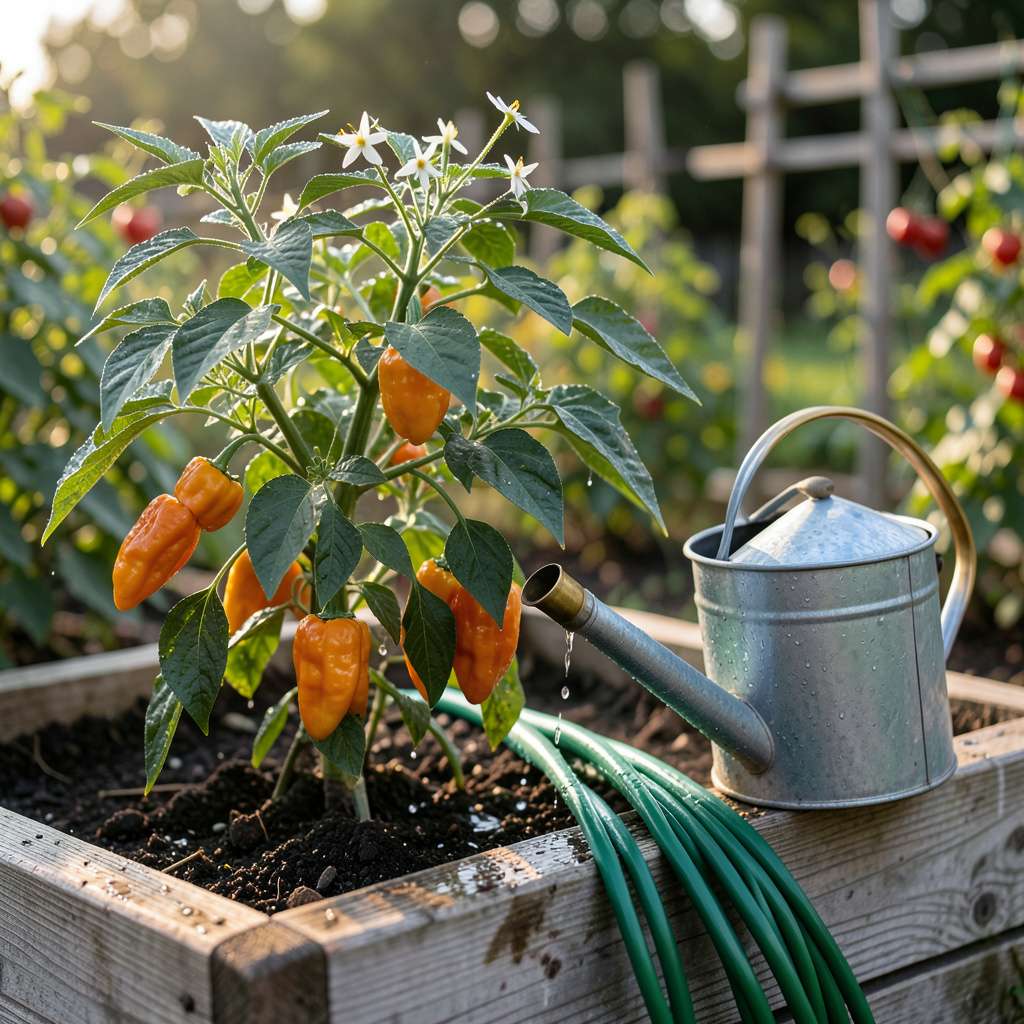
Habanero pepper plants need consistent moisture—water deeply 2-3 times per week in average conditions, adjusting for heat (daily in extreme dryness) or rain. Always check the top 1-2 inches of soil; if dry, it’s time to water.
Getting this right is the difference between a struggling plant and one that explodes with fiery peppers. 🔥 I’ve learned through years of gardening that habaneros are particularly sensitive to inconsistent moisture—their roots crave deep drinks rather than frequent shallow sips. The finger-test method (pushing your digit into the soil) is my go-to because it accounts for variables like soil composition and microclimates in your garden. Remember, container-grown plants often need more attention than those in-ground, as pots dry out faster in hot weather.
What many new growers miss is how dramatically weather affects this schedule. A week of 90°F+ temperatures might demand daily watering, while cool spells could mean waiting 4-5 days between sessions. I always recommend keeping a garden journal to track these patterns—it’s how I discovered my plants thrive when I water at dawn, giving them all day to absorb moisture before evening humidity sets in.
💡 In This Article
Habanero peppers originate from tropical climates, which means they’re wired to handle heat but despise soggy roots. The plant’s vascular system works overtime in temperatures above 85°F, pulling moisture from soil at double the normal rate. This is why your watering schedule might jump from 3 times weekly to daily sessions during heatwaves.
Humidity plays an equally critical role—high moisture in the air reduces evaporation from soil, while dry winds can suck moisture from leaves faster than roots can replace it. 🔥
The soil’s drainage capacity dramatically alters watering needs. Sandy loam (ideal for habaneros) drains at about 1-2 inches per hour, while clay-heavy soil might take 6+ hours to drain the same amount. Container plants face additional challenges—their limited soil volume dries 30-50% faster than ground planting.
A 5-gallon pot in full sun can require watering twice daily in peak summer, while the same plant in-ground might thrive on every-other-day watering. The container’s material matters too: terracotta wicks away moisture, while plastic retains it longer.
Plant maturity stage creates surprising watering variations. Seedlings need consistently moist (but not wet) soil to establish roots, while mature plants develop deep root systems that access moisture from lower soil layers. A fully grown habanero can have roots extending 18-24 inches deep, allowing it to tap into moisture reserves that shallow watering never reaches.
This is why deep, infrequent watering (encouraging root growth downward) always outperforms light, frequent sprinkling in the long run. ✨
Overwatering stresses habaneros by suffocating roots and creating perfect conditions for fungal diseases like phytophthora. The first visible sign is usually yellowing between leaf veins (interveinal chlorosis), followed by wilting that doesn’t improve with water. Underwatering shows differently—leaves become crispy at the edges and the plant may drop blossoms.
Both conditions trigger stress responses that redirect energy from pepper production to survival, which is why consistent moisture monitoring is non-negotiable for serious growers. 💫
Here’s what most gardeners overlook: the fertilizer-water relationship. High-nitrogen fertilizers increase leaf growth, which demands more water to support the expanded foliage. Conversely, potassium-heavy fertilizers (ideal during fruiting) help plants regulate water more efficiently.
I’ve found that reducing water by 10-15% after applying potassium-rich fertilizer prevents the soft, watery peppers that often result from overwatering during fruit development. The plant’s water needs literally change with its nutritional status. ⚡
Microclimates in your garden create invisible watering zones. A habanero planted against a south-facing wall might need 20% more water than one in open garden space due to reflected heat. Wind exposure can increase transpiration rates by 30-40%, meaning plants in breezy areas dry out faster.
Even the color of mulch affects soil temperature—black plastic can raise soil temps by 5-10°F, accelerating moisture evaporation compared to light-colored organic mulches. 🌟
Use the finger test—push your index finger 1-2 inches into the soil. If it feels dry at that depth, it’s time to water. Also watch for subtle leaf changes: slightly droopy leaves in the afternoon (that recover by morning) often indicate it’s time for a drink.
Pots dry out 30-50% faster than ground soil because they have limited soil volume and more surface area exposed to air. Terracotta pots especially wick away moisture through their porous walls. In summer, a 5-gallon container may need daily watering, while the same plant in-ground could go 2-3 days between sessions.
Early morning between 6-9 AM is ideal. This gives plants time to absorb moisture before the day’s heat, reducing evaporation loss by up to 40%. Avoid evening watering—it keeps foliage damp overnight, creating perfect conditions for fungal diseases like powdery mildew.
Overhead watering isn’t ideal—it wets leaves (inviting disease) and wastes water through evaporation. Drip irrigation or soaker hoses deliver moisture directly to roots while using 30-50% less water. If you must use sprinklers, run them early morning and adjust to water at soil level.
A 2-3 inch layer of organic mulch (straw, wood chips) reduces surface evaporation by 25-30% and keeps soil temperatures stable. It also prevents soil splashing onto leaves during rain or watering. Just keep mulch 1 inch away from the stem to prevent rot.
