
Beautiful Plants For Your Interior
Beautiful Plants For Your Interior
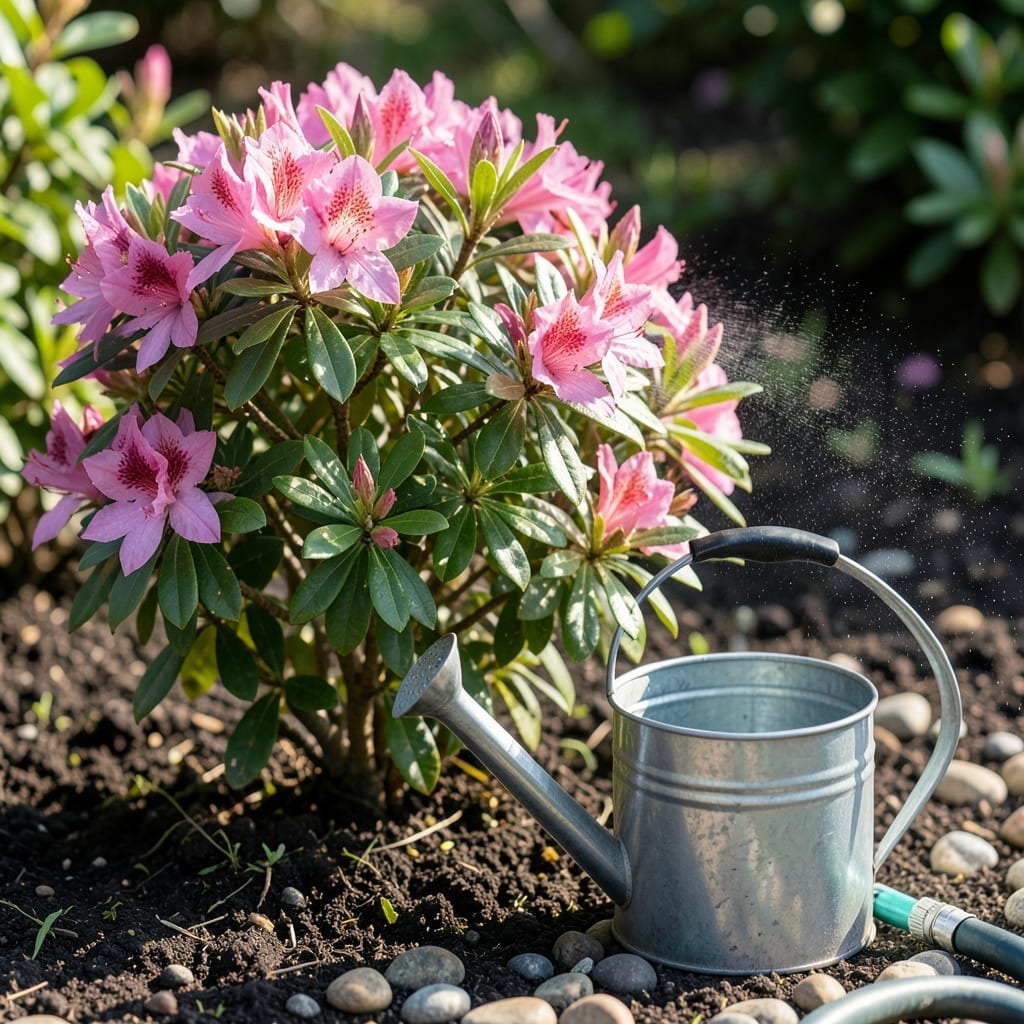
Azaleas light up spring landscapes with vibrant 🌸 blooms, but their watering needs can leave even seasoned gardeners guessing. Overwater or underwater, and you risk wilting leaves or lackluster flowers.
I’ve learned that getting the watering schedule right is the key to keeping these shrubs thriving. The good news? It’s simpler than you might think once you understand their natural preferences.
Let me walk you through how to find that perfect balance for your Azalea. You’ll discover the simple adjustments that make all the difference.
Azaleas have specific watering needs that change with the seasons. I’ve found that adjusting your approach throughout the year keeps these shrubs healthy and blooming. The key is understanding their natural growth cycle.
In spring, as new growth appears, azaleas need consistent moisture to support their vibrant blooms. This is when they’re most active and thirsty. 🌸
| Season | Watering Frequency | Key Notes |
|---|---|---|
| Spring | Weekly | Deep soak during blooming |
| Summer | 2x per week | More in extreme heat |
| Fall | Weekly | Prepare for dormancy |
| Winter | Bi-weekly | Only if dry spell |
During summer heat, I recommend increasing to twice weekly waterings. The soil dries faster in hot weather, and azaleas appreciate the extra moisture to prevent stress. Always water at the base of the plant.
As fall arrives, you can scale back to weekly watering. This helps the plant prepare for dormancy while still maintaining healthy root systems. Be sure to check the top inch of soil for dryness.
In winter, azaleas need very little water. I only water mine every 2 weeks if we’ve had a dry spell. The plant is dormant, so overwatering can lead to root rot. Always water in the morning.
For container-grown azaleas, the rules are slightly different. These dry out faster, so I check them every 5-7 days in all seasons except winter. The soil should stay consistently moist but never soggy.
I always use the finger test to check soil moisture. Stick your finger 1-2 inches into the soil. If it feels dry, it’s time to water. This simple method prevents both underwatering and overwatering. 💧
Remember that rainfall affects your watering schedule. In rainy seasons, I often skip scheduled waterings. Azaleas prefer acidic soil, so using rainwater when possible can benefit your plants.
Finally, mulching helps retain moisture. I apply a 2-3 inch layer of organic mulch around the base, keeping it a few inches away from the trunk. This also helps maintain that cool, acidic soil azaleas love. 🌿
Azaleas give clear visual signals when their watering needs aren’t met. I’ve learned to watch for these early warning signs to adjust my care routine before problems escalate.
Drooping leaves often indicate underwatering, while yellowing leaves can signal overwatering. Both conditions need prompt attention to keep your azaleas thriving. 🌸
⚠️ Warning: Crispy brown leaf edges mean your azalea is too dry. Wilting leaves that don’t recover overnight suggest root stress from overwatering.
Check the soil moisture 2 inches down – if it’s bone dry or soggy, adjust your watering immediately.
I always check for leaf color changes first. Dark green leaves turning yellow or brown often means too much water. In contrast, dull, grayish-green leaves usually indicate thirsty plants.
The finger test is my go-to method. If the top inch of soil feels dry, it’s time to water. If it’s muddy or smells sour, you’re likely overdoing it. This simple test prevents most watering issues.
Leaf drop is another red flag. Azaleas may shed leaves when stressed by drought or waterlogged roots. I’ve found that morning wilting that recovers by evening often means the plant needs more water.
For container azaleas, check the pot’s drainage holes. If water isn’t draining freely, root rot may be developing. I always ensure my containers have multiple drainage holes to prevent this issue. 🌿